


A brief roundup of United Nations political and peacebuilding events and developments globally.
UN warns of rising civilian casualties in Ukraine, urges renewed diplomacy
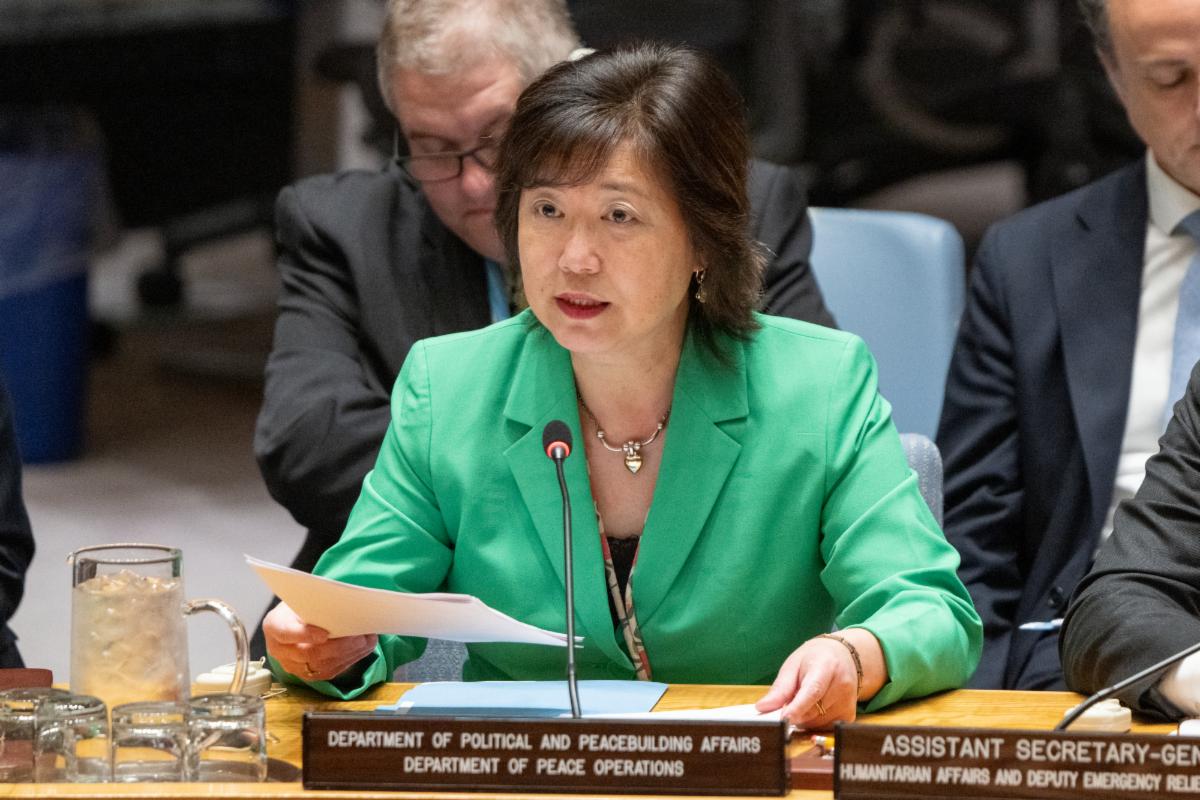
On 9 November, Kayoko Gotoh, Director of the Europe and Central Asia Division of DPPA and DPO, briefed the Security Council on the deteriorating situation in Ukraine, warning of rising civilian casualties and intensified attacks on critical energy infrastructure ahead of winter. She also expressed concern over attacks affecting civilian shipping in the Black Sea and their implications for global food security. Gotoh highlighted a recent six-day humanitarian ceasefire as an example of what political will can achieve to save lives and urged further practical steps towards de-escalation and renewed diplomatic engagement. Read her full remarks here.
UNOWAS supports peaceful electoral process in West Africa
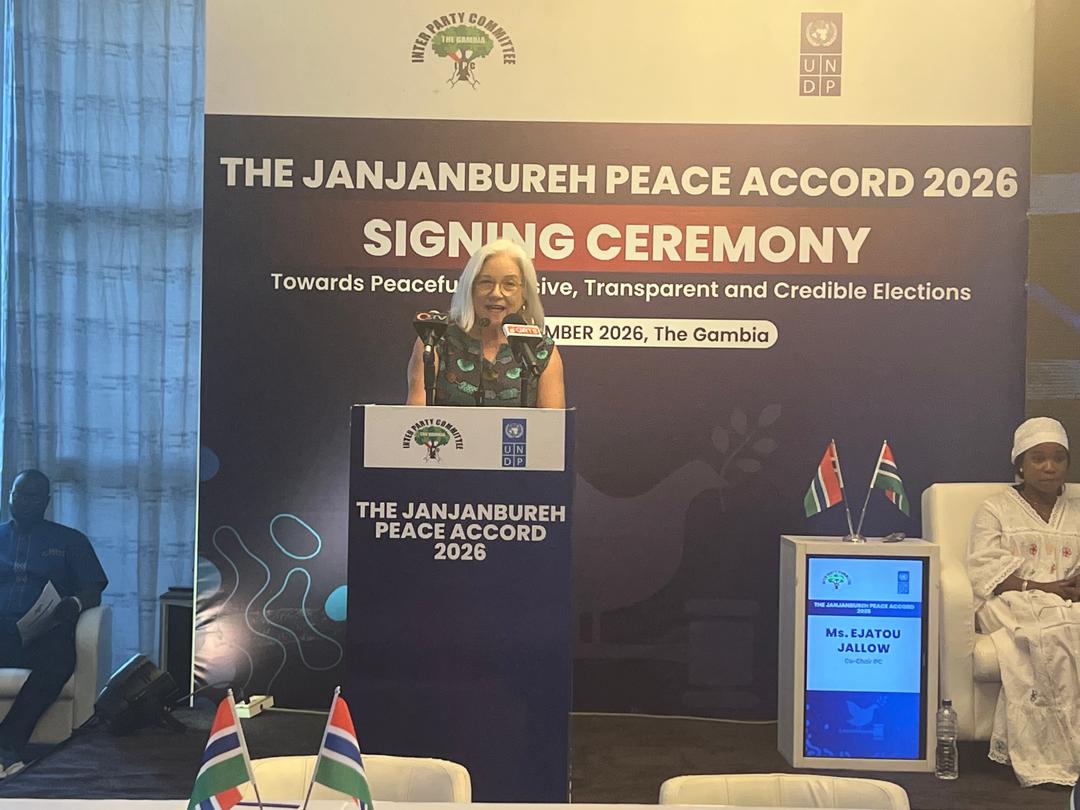
On 12 November, Special Representative of the Secretary-General and Head of the United Nations Office for West Africa and the Sahel (UNOWAS) Leonardo Santos Simão began a visit to Cabo Verde ahead of its presidential election on 15 November, reaffirming the Mission's support for a peaceful electoral process. Meanwhile, Deputy Special Representative Barrie Freeman visited The Gambia ahead of its 5 December presidential elections, attending the signing of the Janjanbureh Peace Accord on 12 November and encouraging political parties to uphold their commitments to peaceful, inclusive and credible elections.
Youth from southern Libya call for greater participation in political and economic decision-making
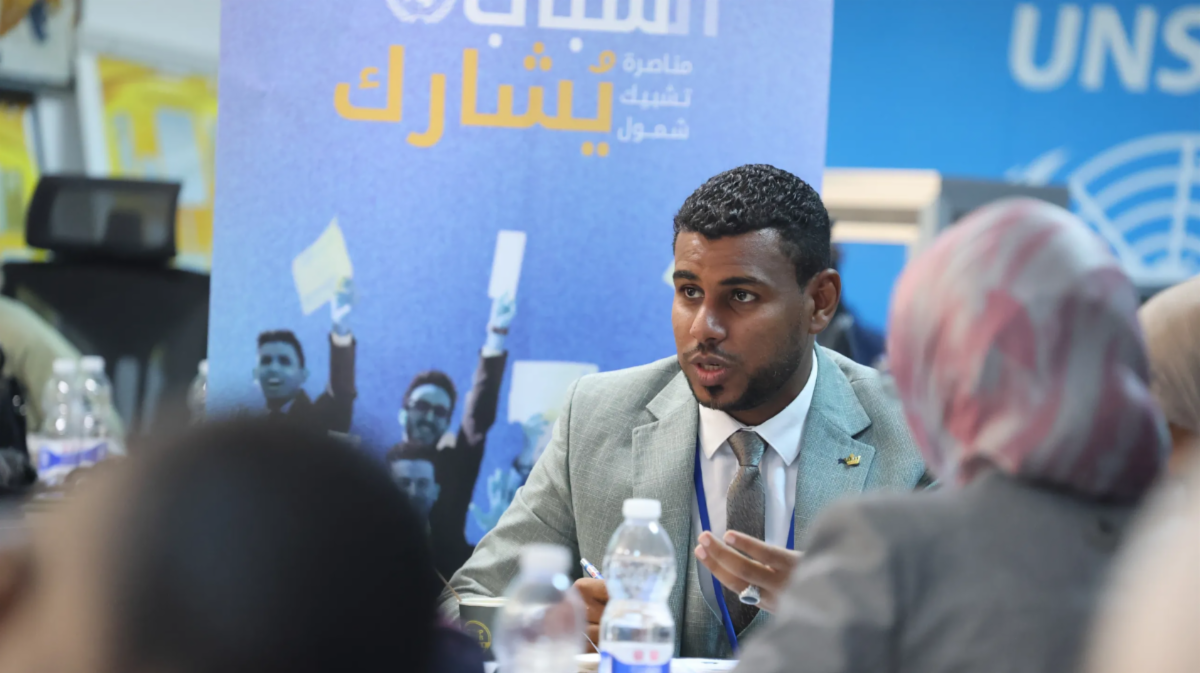
On 11 November, Deputy Special Representative of the Secretary-General Stephanie Koury met with 25 young women and men from southern Libya during a workshop organized by the United Nations Support Mission in Libya (UNSMIL) to discuss priorities emerging from the Structured Dialogue. Participants called for stronger local governance, greater decentralization, equitable distribution of resources and expanded economic opportunities for young people. They also raised concerns about restrictions on civic space and violence against women, emphasizing the need for stronger protections and inclusive political participation. Koury welcomed their proposals and encouraged continued youth engagement in Libya’s political process, including through local initiatives, national networks and upcoming elections. Read more here.
UNRCCA Preventive Diplomacy Academy explores migration and youth participation in Central Asia
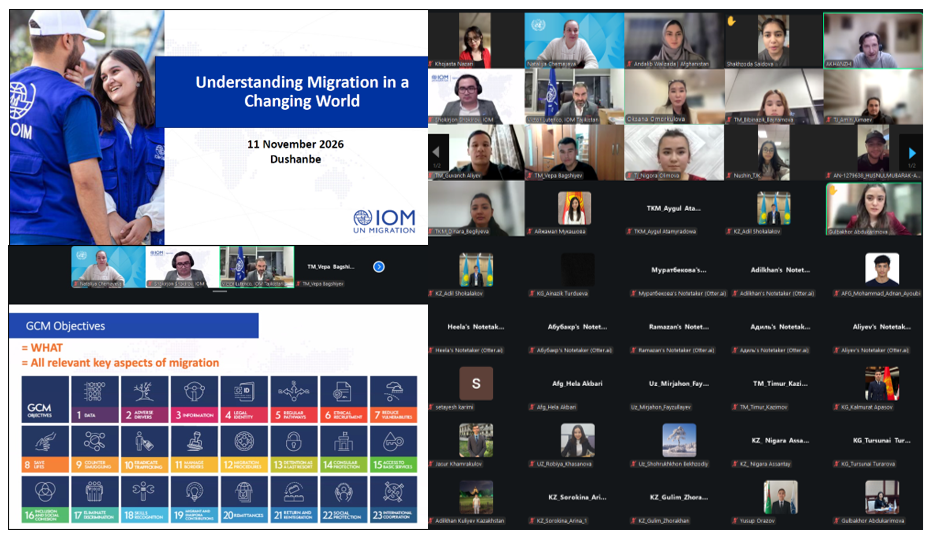
On 11 November, the United Nations Regional Centre for Preventive Diplomacy for Central Asia (UNRCCA), in cooperation with the International Organization for Migration (IOM), organized an online session for participants of its Preventive Diplomacy Academy. Led by IOM, the session examined global and regional migration trends, highlighting challenges and opportunities in Central Asia. Participants learned about IOM’s mandate and the Central Asia Youth Advisory Board on Migration, which promotes youth participation in migration-related dialogue and policymaking. An interactive discussion allowed participants to exchange views on regional migration trends and the role of young people in addressing migration-related challenges. Read more here.
Fourth Committee hears briefing on the role of special political missions in advancing peace
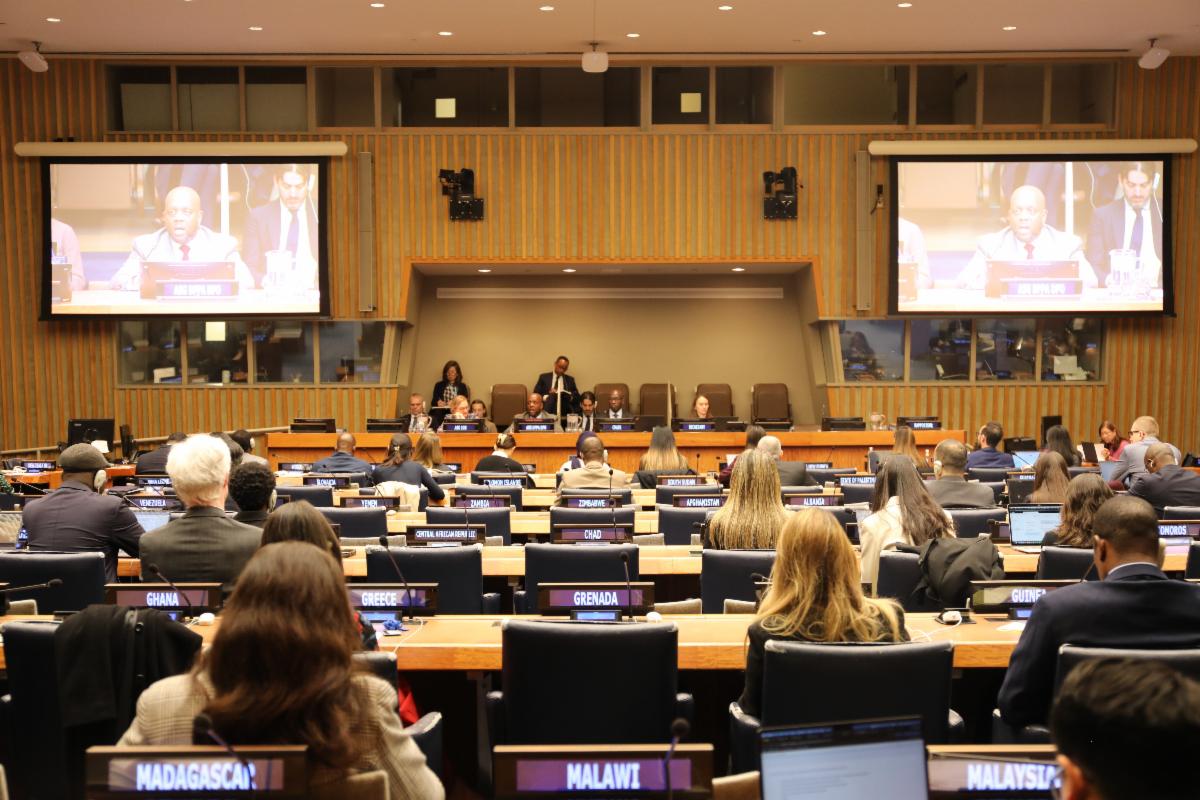
On 11 November, Assistant Secretary-General for Africa Martin Kimani presented the Secretary-General’s report on overall policy matters pertaining to special political missions, highlighting their role in preventing conflict, sustaining dialogue and advancing political solutions amid growing geopolitical tensions and violence. Addressing Member States, he outlined the work of missions in Sudan, Myanmar, Libya, Haiti and Central Africa, while noting the conclusion of UN political missions in Iraq and Somalia. Kimani emphasized the need for more proactive diplomacy, stronger international cooperation and systematic use of the Secretary-General’s good offices, drawing on recommendations from the recent review of UN peace operations. Read his full remarks here.
Peacebuilding Fund reviews progress and shapes strategic priorities for 2027–2030
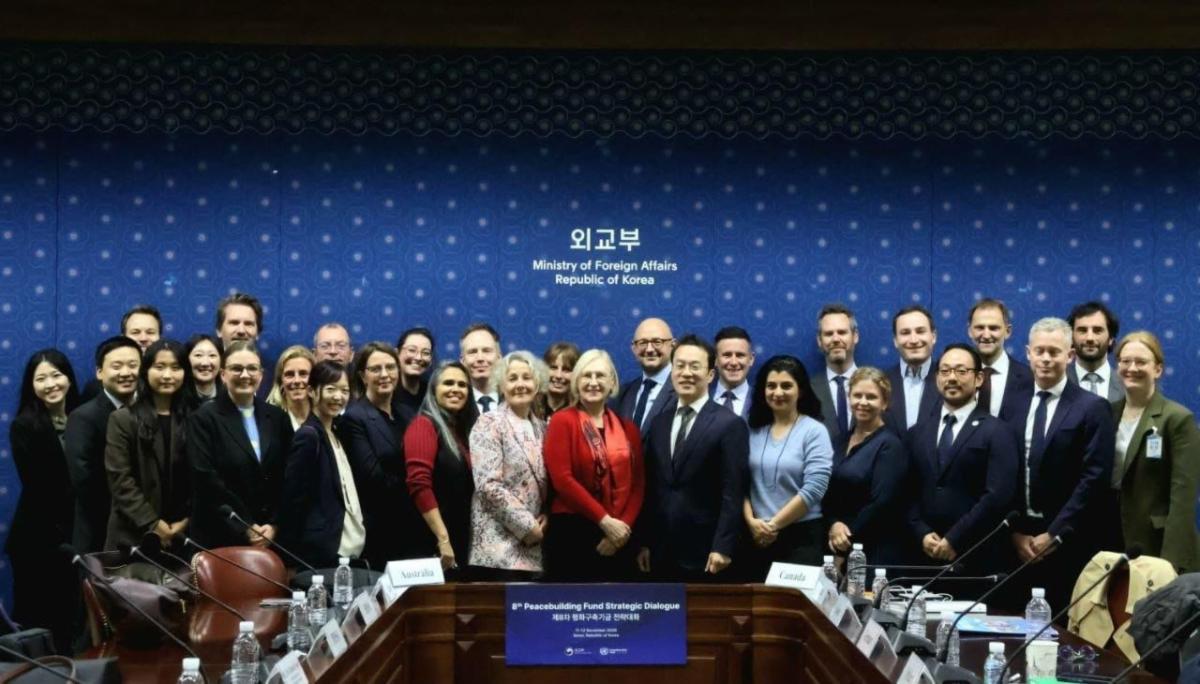
From 11 to 13 November, the Secretary-General’s Peacebuilding Fund (PBF) held its eighth Annual Strategic Dialogue with leading donors in Seoul, hosted by the Republic of Korea. Discussions focused on the Fund’s strategic direction, drawing on findings from the evaluation of its 2020–2026 Strategy to inform the development of the next Strategy for 2027–2030. Assistant Secretary-General for Peacebuilding and Peace Support Elizabeth Spehar highlighted growing demands for peacebuilding amid resource constraints and the need to prioritize investments. Participants exchanged lessons from country-level peacebuilding efforts and partnerships with international financial institutions. Donors reaffirmed the Fund’s critical role in supporting conflict prevention and peacebuilding and their continued commitment to its work. Read more here.
At COP31, UNOCA stresses the link between climate resilience and peace
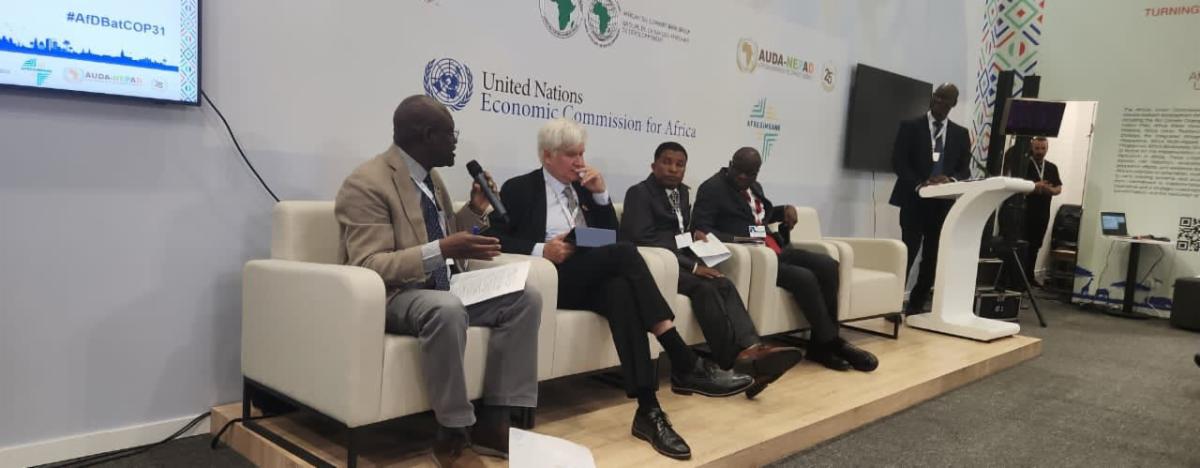
On 12 November, Mabaye Dia, Climate, Peace and Security Adviser at the United Nations Regional Office for Central Africa (UNOCA), participated in a COP31 side event in Antalya, Türkiye, organized by the African Development Bank and the African Union. He emphasized that investing in climate resilience also means investing in peace, particularly in fragile and conflict-affected settings. Dia called for climate adaptation financing that supports early warning, anticipatory action, social cohesion and conflict-sensitive governance, while strengthening cross-border cooperation and community participation. He stressed the importance of tailoring investments to the needs and vulnerabilities of communities across Central Africa.
Cypriot leaders agree on new confidence-building measures at UN-facilitated meeting
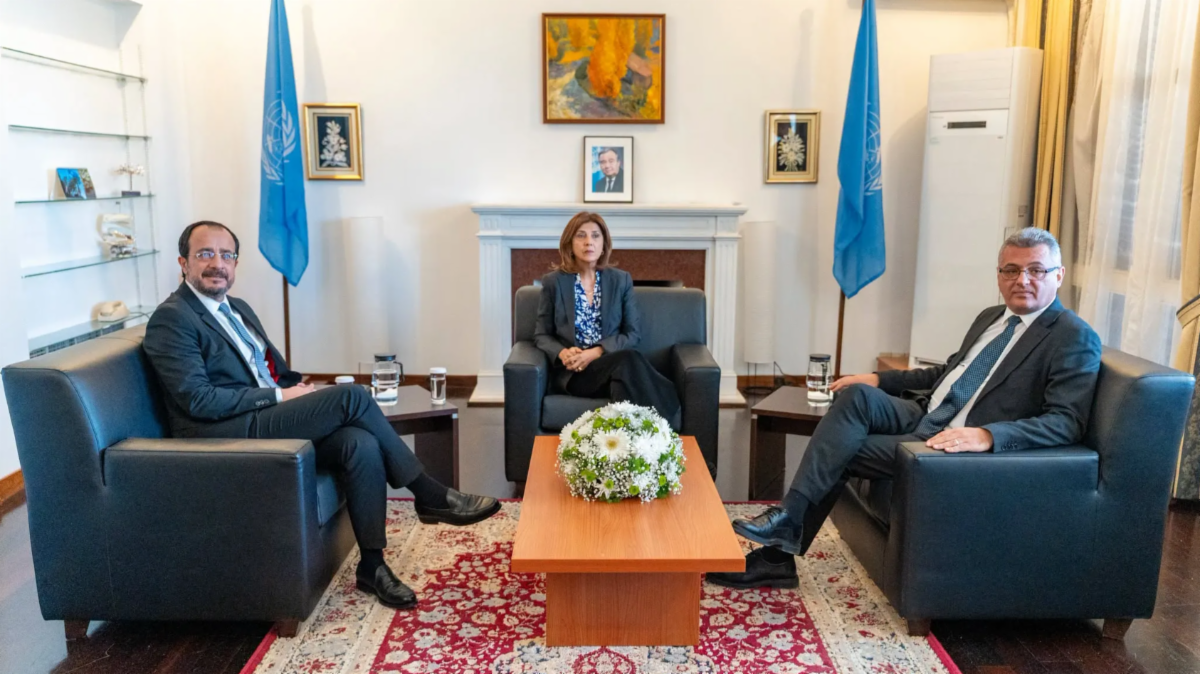
On 9 November, Personal Envoy of the Secretary-General on Cyprus María Ángela Holguín convened a trilateral meeting with Greek Cypriot leader Nikos Christodoulides and Turkish Cypriot leader Tufan Erhürman in Nicosia. The leaders agreed on the simultaneous opening of two crossing points and further cooperation through the Technical Committees on cultural heritage, education, the environment and crisis management. Initiatives include restoring cultural and religious sites, resuming the Imagine Project and establishing an emergency response mechanism. Discussions on outstanding issues will continue, including at a trilateral meeting with the Secretary-General in the coming weeks. Read the full statement.
UN Verification Mission engages university students on peace agreement implementation in Colombia
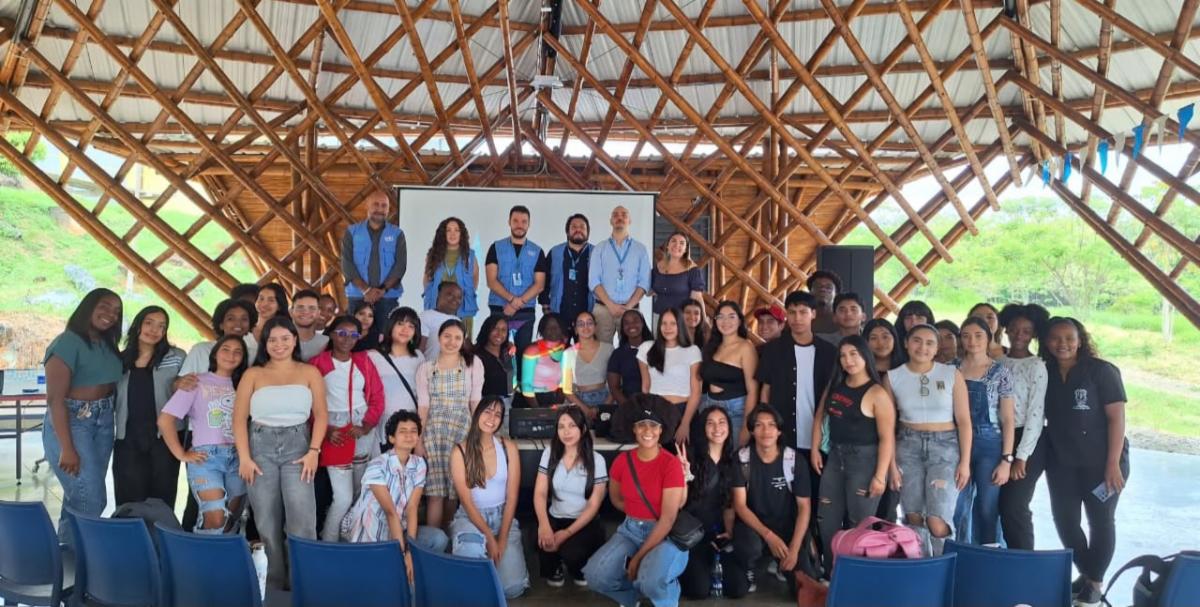
On 12 November, the United Nations Verification Mission in Colombia (UNVMC) held an outreach session with language students from the University of Cauca in Santander de Quilichao, Cauca. The session introduced students to the Mission’s history and mandate, with a focus on its role in verifying the implementation of Colombia’s Final Peace Agreement. Members of the Mission’s team in Cauca also shared insights into their work in the region and answered students’ questions, providing an opportunity to deepen young people’s understanding of the UN’s role in supporting the peace process.
UN brings together over 200 participants in AI-enabled dialogue on peacebuilding in the Great Lakes
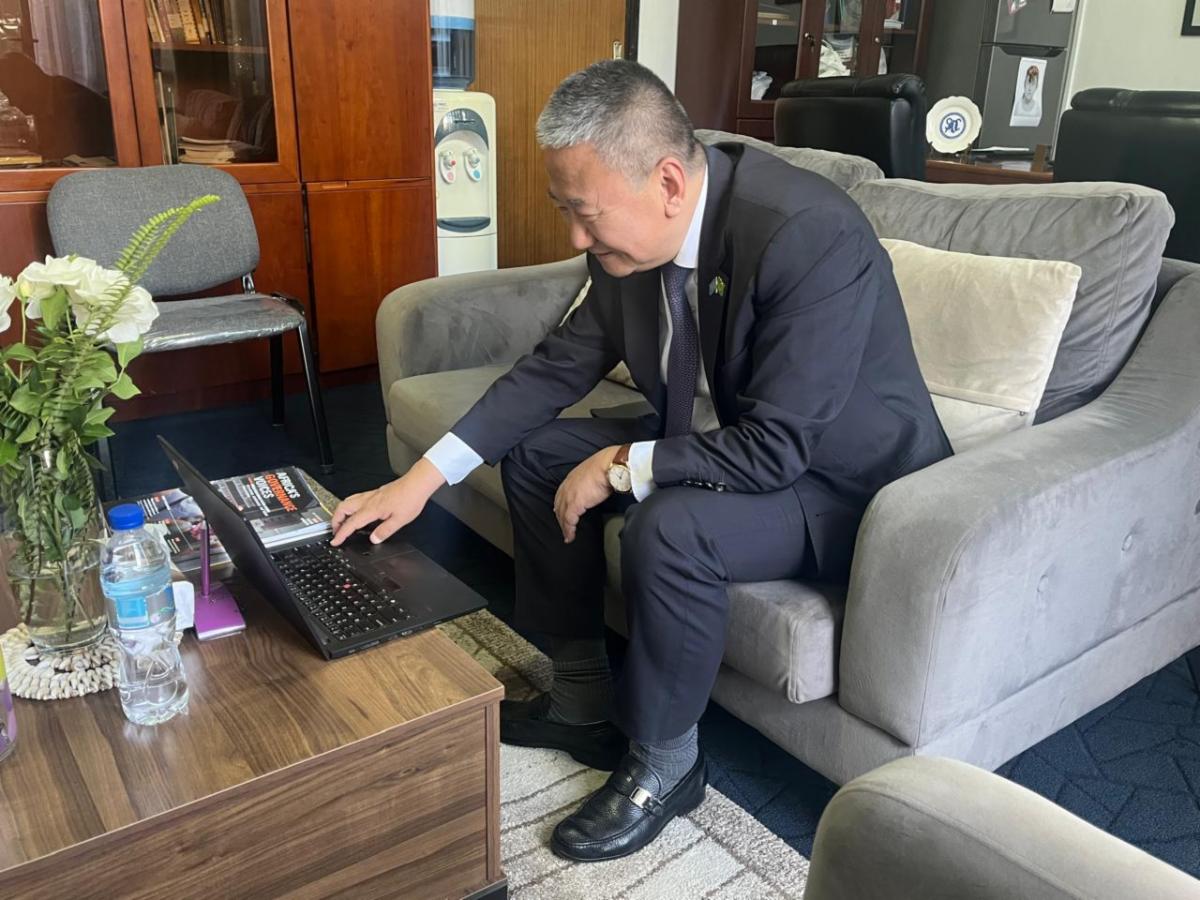
On 11 November, the Office of the Special Envoy for the Great Lakes Region, with support from DPPA and partners, convened an AI-enabled Digital Dialogue on Inclusive Peacebuilding for eastern Democratic Republic of the Congo and the wider Great Lakes region. Developed by DPPA's Innovation Cell, the live, anonymous dialogue brought together more than 200 participants, including women, young people, civil society representatives, faith leaders, refugees and conflict-affected communities. Participants shared perspectives on reconciliation, humanitarian needs, human rights, inclusion, natural resources and regional cooperation. The outcomes are expected to inform more inclusive, gender-responsive and community-informed approaches to mediation, peacebuilding and peace agreement implementation. Read more here.
UN and Asian Development Bank to deepen cooperation on peace and development
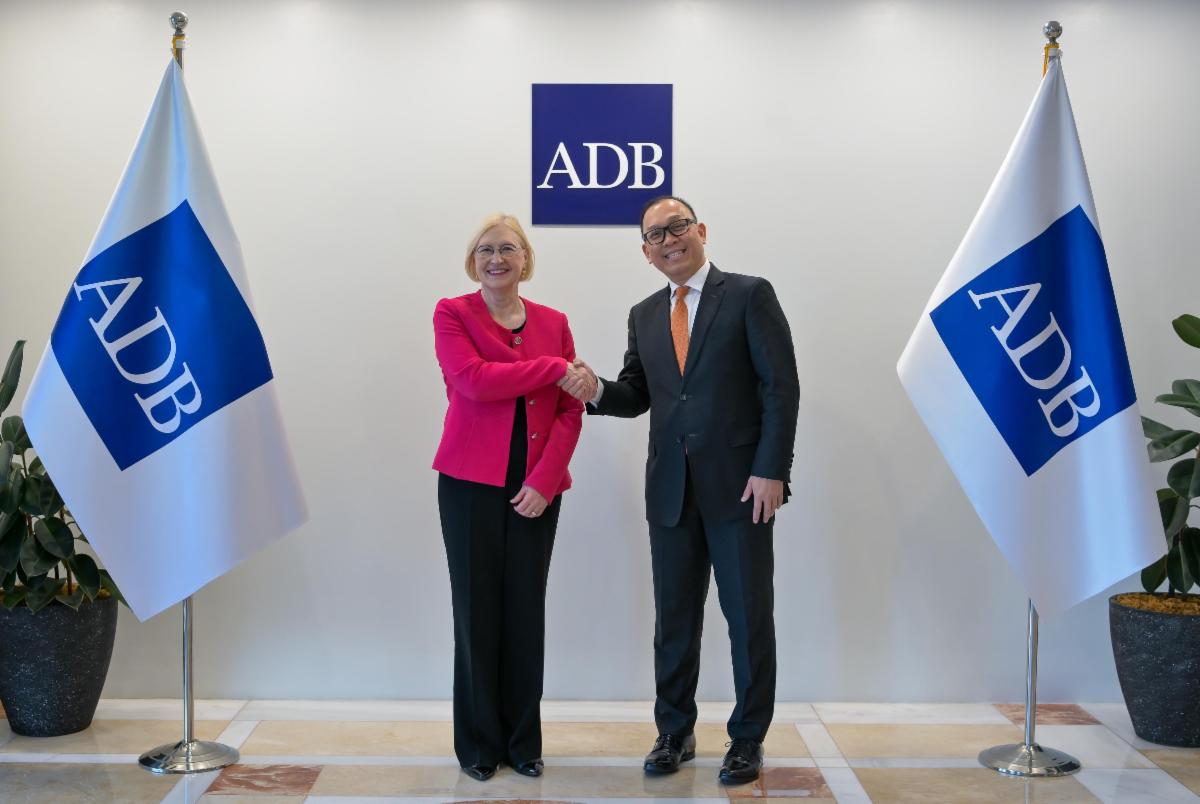
From 9 to 10 November, Assistant Secretary-General for Peacebuilding and Peace Support Elizabeth Spehar visited Manila, Philippines, for meetings with Asian Development Bank (ADB) leadership, national authorities and civil society representatives. Discussions focused on strengthening the UN–ADB partnership, supporting resilience in fragile and conflict-affected settings, and leveraging financing mechanisms such as the Secretary-General’s Peacebuilding Fund and the Asian Development Fund. Following the visit, ADB and the UN Peacebuilding and Peace Support Office agreed to develop a joint workplan for 2027–2028, including identifying pilot countries for closer cooperation on conflict prevention, resilience and peace-positive development.
Special Coordinator Arnault discusses security and stability with Lebanese Parliament Speaker
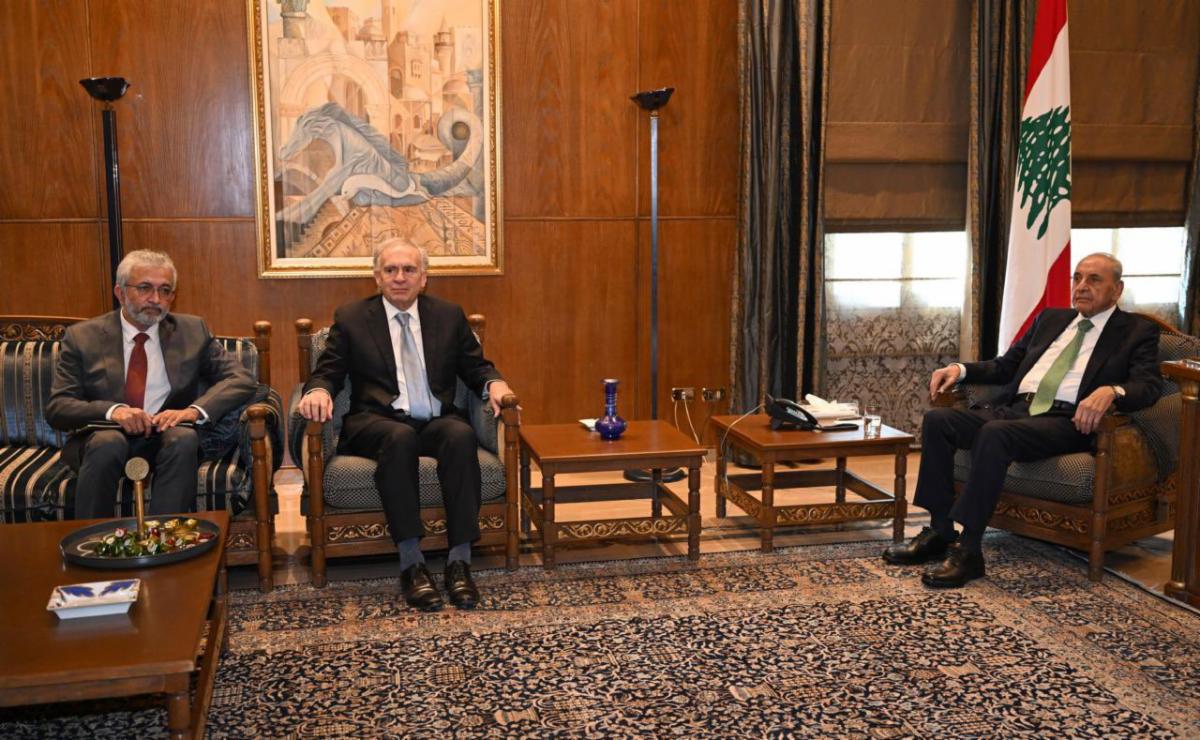
Officer-in-Charge of the Office of the United Nations Special Coordinator for Lebanon [and Personal Envoy of the Secretary-General on the Middle East conflict and its consequences] Jean Arnault met today with Speaker of Parliament Nabih Berri to discuss recent developments in Lebanon and ways to strengthen the country’s security and stability. The meeting formed part of the United Nations’ continued engagement with Lebanese authorities on developments affecting the country’s peace and security.
Special Envoy Grundberg discusses Yemen peace efforts with Omani Foreign Minister
On 8 November, Special Envoy of the Secretary-General for Yemen Hans Grundberg met with Omani Foreign Minister Badr Al Busaidi in Muscat to discuss recent developments in Yemen and the wider region. Grundberg expressed appreciation for Oman’s longstanding support for UN mediation efforts aimed at reaching a political solution to the conflict. The meeting formed part of the Special Envoy’s continued diplomatic engagement with regional partners in support of a negotiated settlement that addresses the aspirations of the Yemeni people.
BINUH reports continued violence and human rights abuses in Haiti
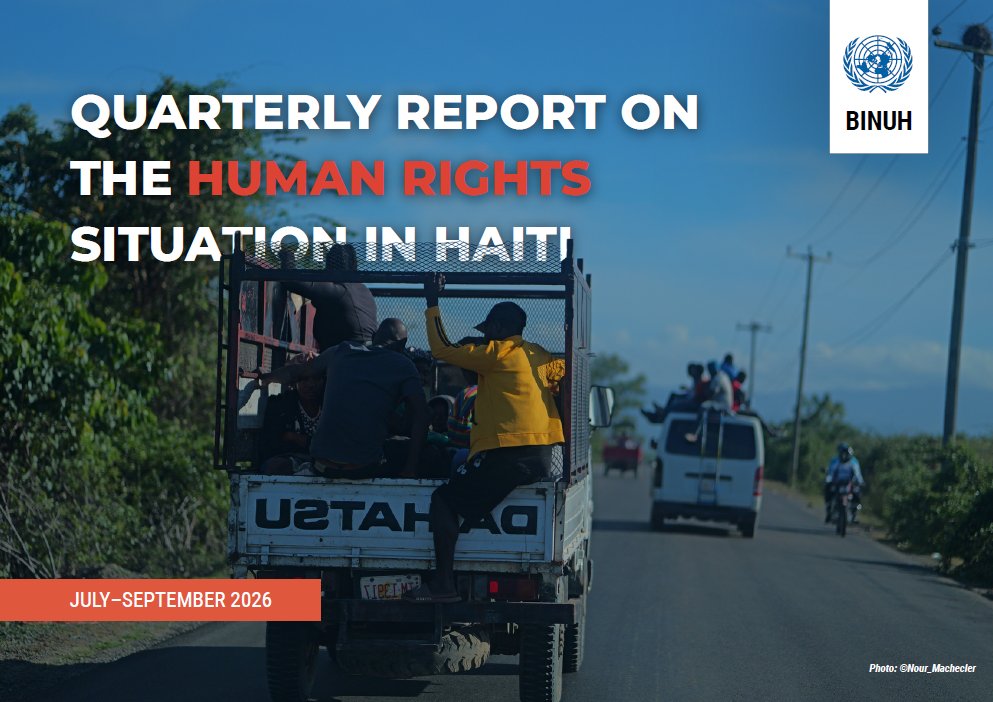
The United Nations Integrated Office in Haiti (BINUH) issued a report on 11 November, reporting that at least 1,167 people were killed and 459 injured between July and September 2026 amid continued violence and human rights abuses in Port-au-Prince and other parts of the country. According to BINUH, gang members were responsible for more than 45 per cent of those killed or injured. The Mission also documented a sharp increase in kidnappings, widespread sexual violence and the continued recruitment and exploitation of children. BINUH called for stronger civilian protection, accountability for abuses and sustained international support, stressing that efforts to combat gangs must respect international human rights law. Read the report here.
UNOCA chief briefs media on peace and security developments in Central Africa
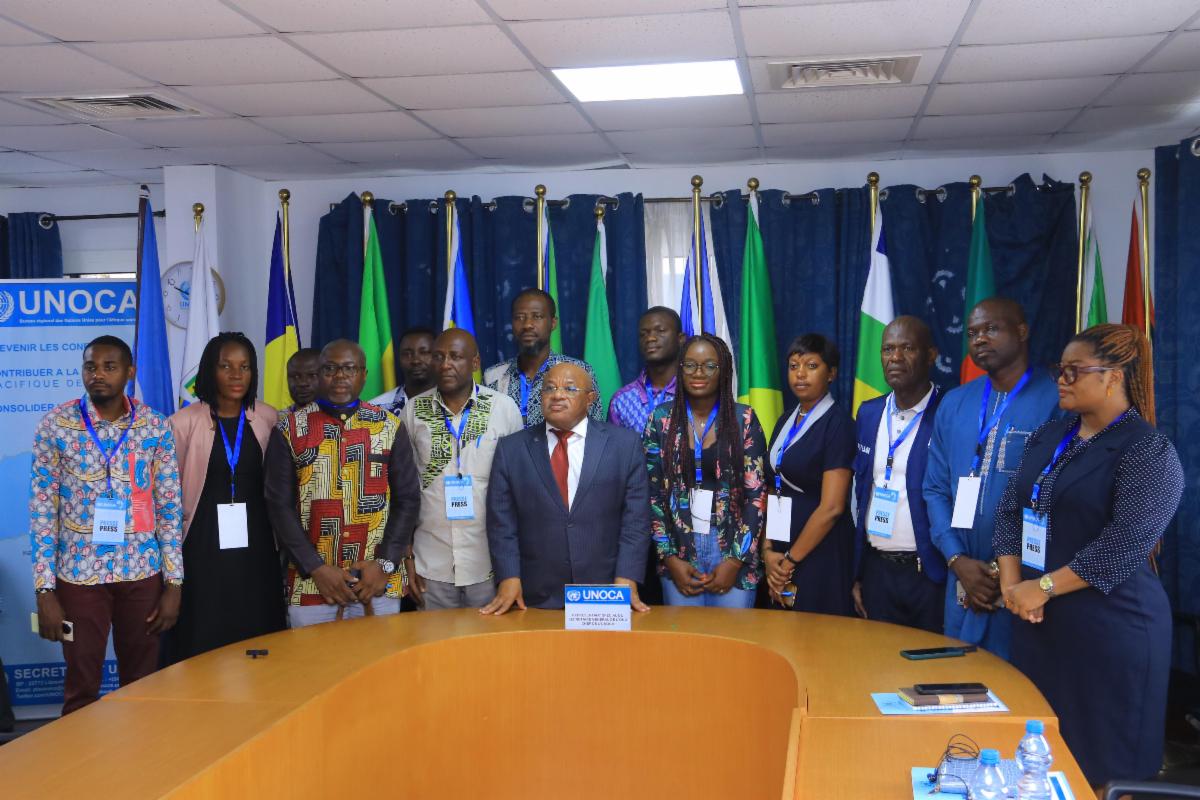
On 6 November, Special Representative of the Secretary-General for Central Africa and Head of the United Nations Regional Office for Central Africa (UNOCA) Mohamed El-Amine Souef held his first press conference in Libreville since taking office in May. He discussed current developments in Central Africa, provided an overview of UNOCA’s activities in recent months and responded to journalists’ questions about the implementation of the Office’s mandate. The press conference provided an opportunity to highlight UNOCA’s ongoing engagement on regional peace and security issues. Read more here.
UN highlights importance of electoral participation at World Forum for Democracy
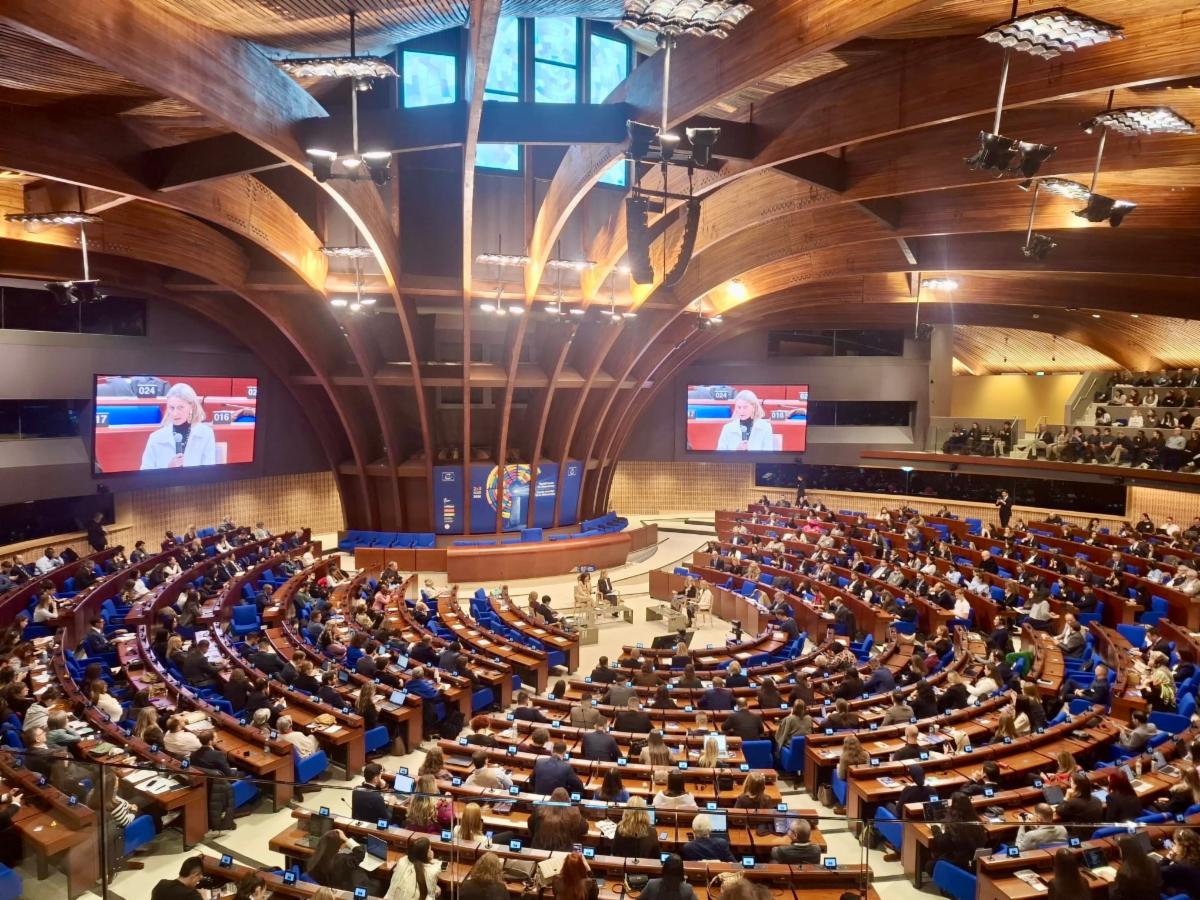
The Council of Europe's World Forum for Democracy, held in Strasbourg on 2-3 November, brought together political leaders, representatives of civil society and academia, youth voices, the general public, and experts from all backgrounds to discuss the pressures facing democracy and emerging solutions. The event's message was clear: stronger participation, resilient institutions and empowered young people are key to democratic renewal. During the Forum's opening segment, Michèle Griffin, Director of the Electoral Assistance Division, delivered a keynote address on the UN's work on electoral assistance and an analysis of some of the challenges around the world, while emphasizing that people remain deeply committed to elections and to having a voice in the big decisions that shape their lives.
UNAMA chief engages local communities during visit to Bamyan, Afghanistan
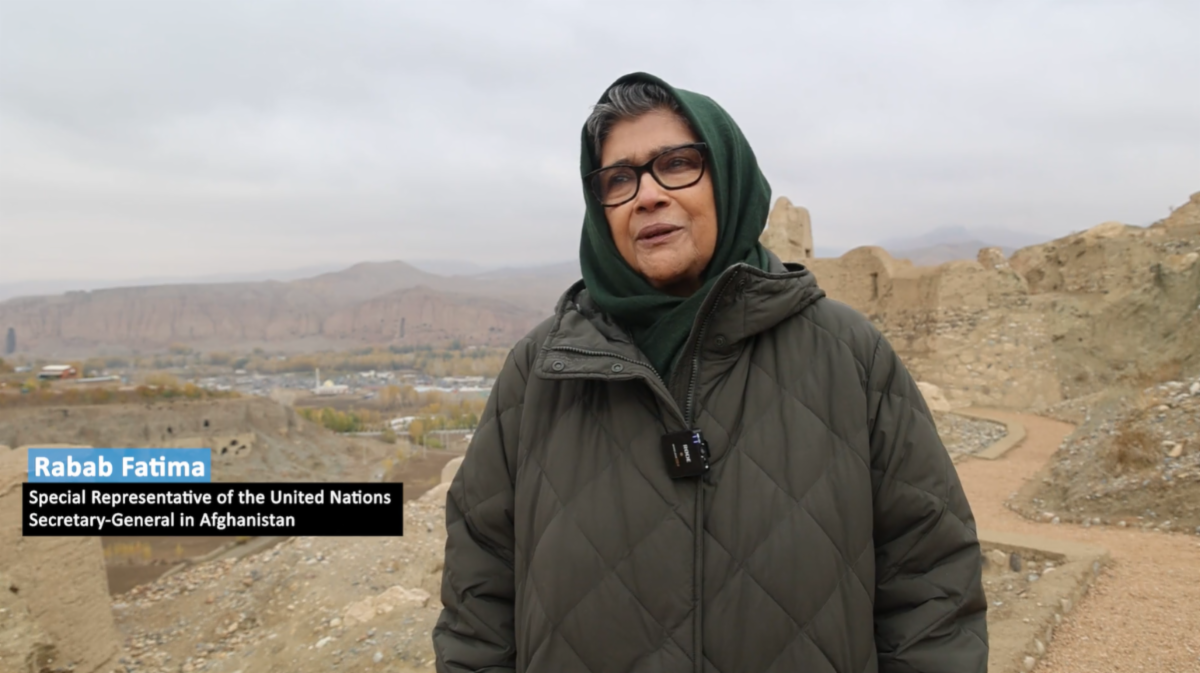
From 2 to 4 November, Special Representative of the Secretary-General for Afghanistan and Head of the United Nations Assistance Mission in Afghanistan (UNAMA) Rabab Fatima visited Bamyan, in the country’s Central Highlands, where she met with local communities to hear firsthand about the opportunities and challenges facing people in the region. The visit provided an opportunity to deepen the Mission’s understanding of local perspectives, needs and priorities and inform its continued engagement with communities in Afghanistan. Learn more about her visit here.
Next Week
On Monday, the Security Council will discuss Syria.
Invest in Peace
Voluntary contributions to DPPA’s Multi-Year Appeal (MYA) enables the Department to respond flexibly to emerging challenges, support preventive diplomacy and mediation, and advance peacebuilding efforts around the world.
Help sustain this work.Learn more about the MYA and how to contribute.


