Welcome to the United Nations

Reports and Policy Documents

2026

  • 19 Jan 2026

    In Yemen, renewed political instability and economic woes linked to the war threaten to complicate the already difficult task of helping vulnerable people suffering from deepening hunger, illness and displacement, the UN’s top aid official there said on Monday. 

  • 19 Jan 2026

    Since 2026, nearly 17 percent of Lebanon’s population has been living in a state of major food insecurity – a situation that is likely to worsen in the coming year.

  • 19 Jan 2026

    Atrocities in Sudan’s Darfur region are spreading from town to town in an organized campaign of violence that includes mass executions, rape and ethnic targeting, amounting to war crimes and crimes against humanity, the prosecutor of the International Criminal Court told the UN Security Council on Monday.

  • 16 Jan 2026
    A brief roundup of United Nations-related political and peacebuilding events and developments globally.

    USG DiCarlo briefs Security Council on intensified attacks and civilian impact in Ukraine

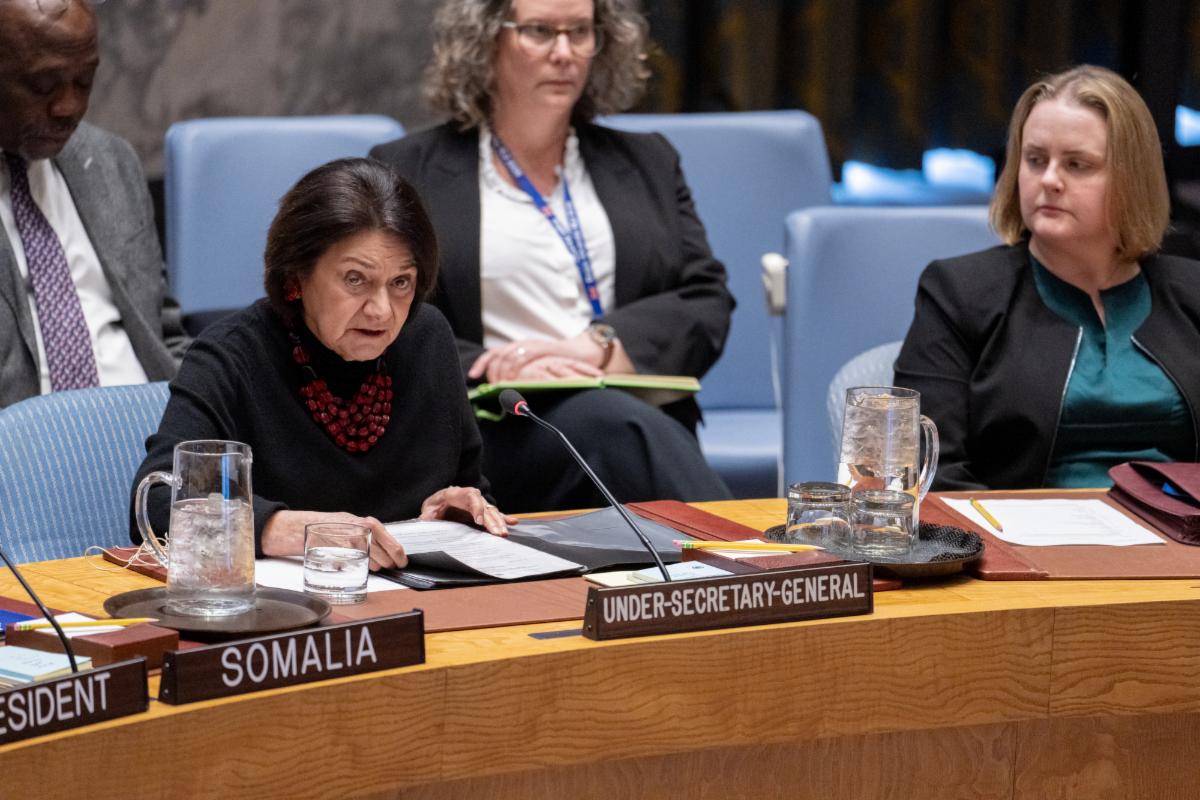
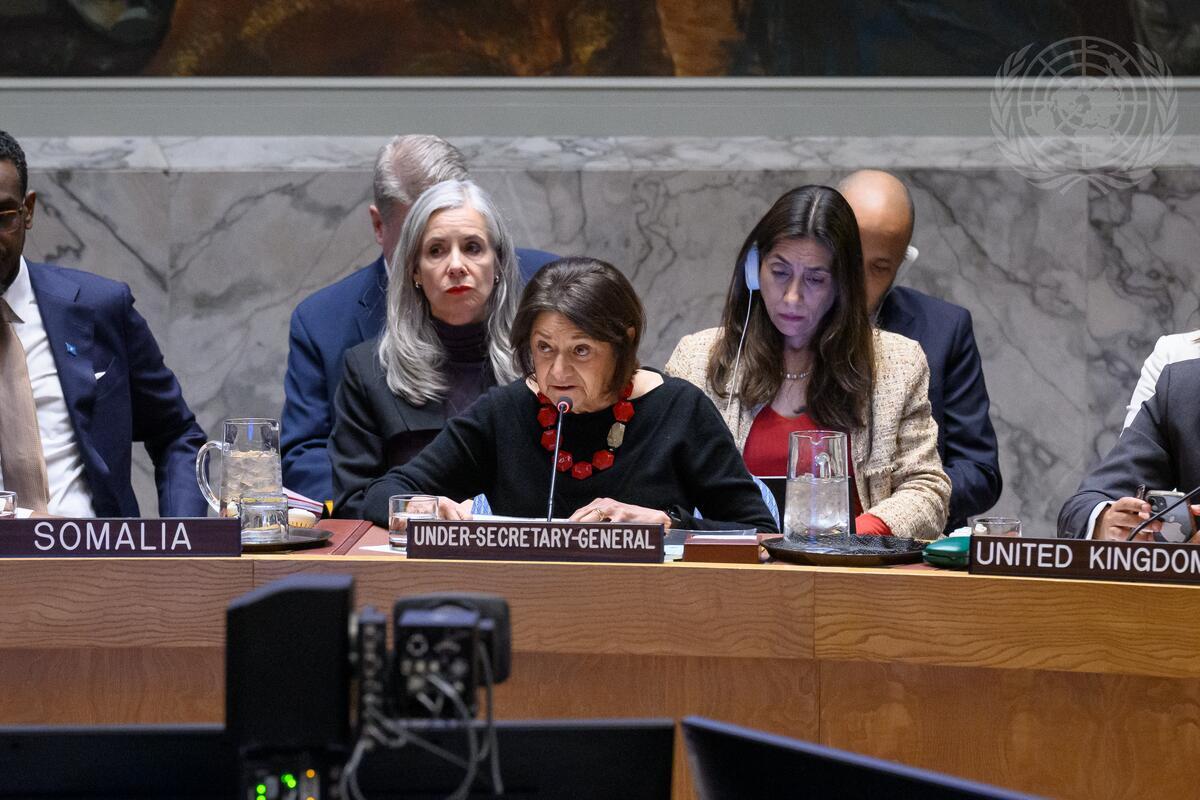
    On 12 January, the Security Council held a briefing on Ukraine. Under-Secretary-General (USG) for Political and Peacebuilding Affairs, Rosemary DiCarlo, briefed Council members and noted that large-scale aerial assaults by the Russian Federation against civilians and critical civilian infrastructure across Ukraine have resulted in horrific levels of destruction and suffering. She reiterated the Secretary-General’s strong condemnation of all attacks against civilians and civilian infrastructure, stressing that such attacks violate international humanitarian law. She reaffirmed the Secretary-General’s repeated calls for an immediate, full and unconditional ceasefire as a first step towards a just, lasting and comprehensive peace, grounded in respect for international law and the principles of the UN Charter.

    Read her full remarks

    ASG Martha Pobee briefs Security Council on upheaval in Iran

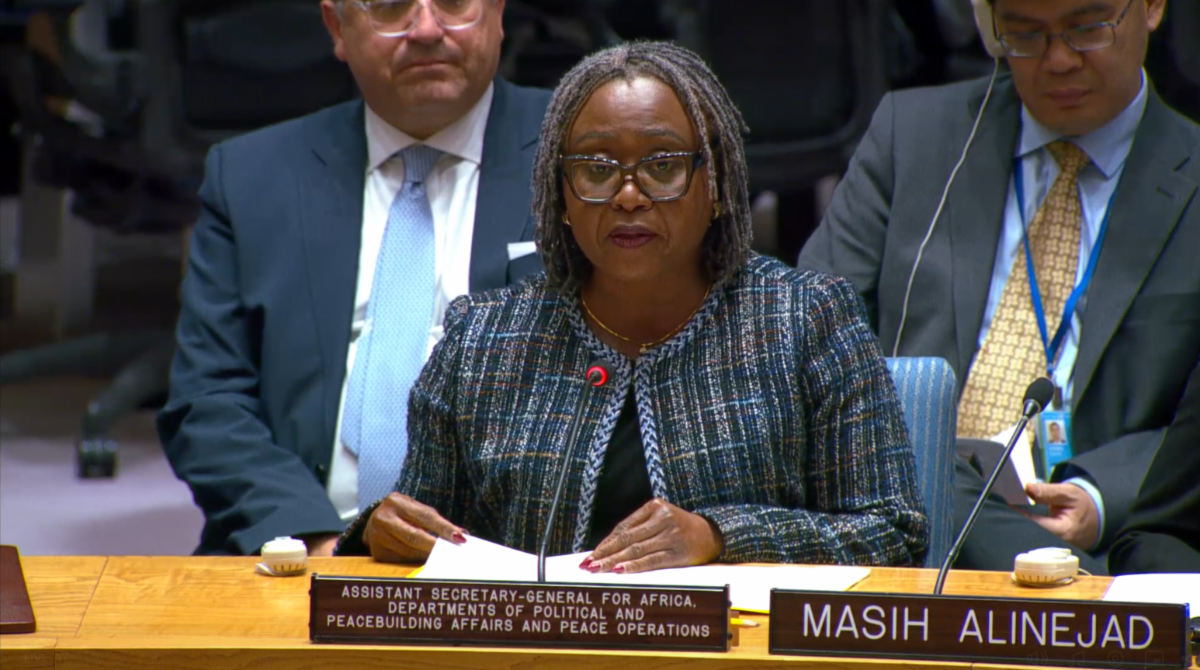
    On 15 January, Assistant Secretary-General (ASG) Martha Pobee briefed the Security Council on the nationwide upheaval in Iran, noting that protests initially sparked by economic grievances have evolved into mass anti-government demonstrations. ASG Pobee reiterated the Secretary-General’s call for full respect for the rights to freedom of expression, association and peaceful assembly. She urged the authorities to lift the communications blackout and called for a halt to any executions linked to protest-related cases. Amid reports of possible military strikes on the country, she underscored the Secretary-General’s call for diplomacy and dialogue, urging maximum restraint to prevent further regional escalation.

    Read her full remarks

    Special Envoy Grundberg briefs Security Council on southern Yemen

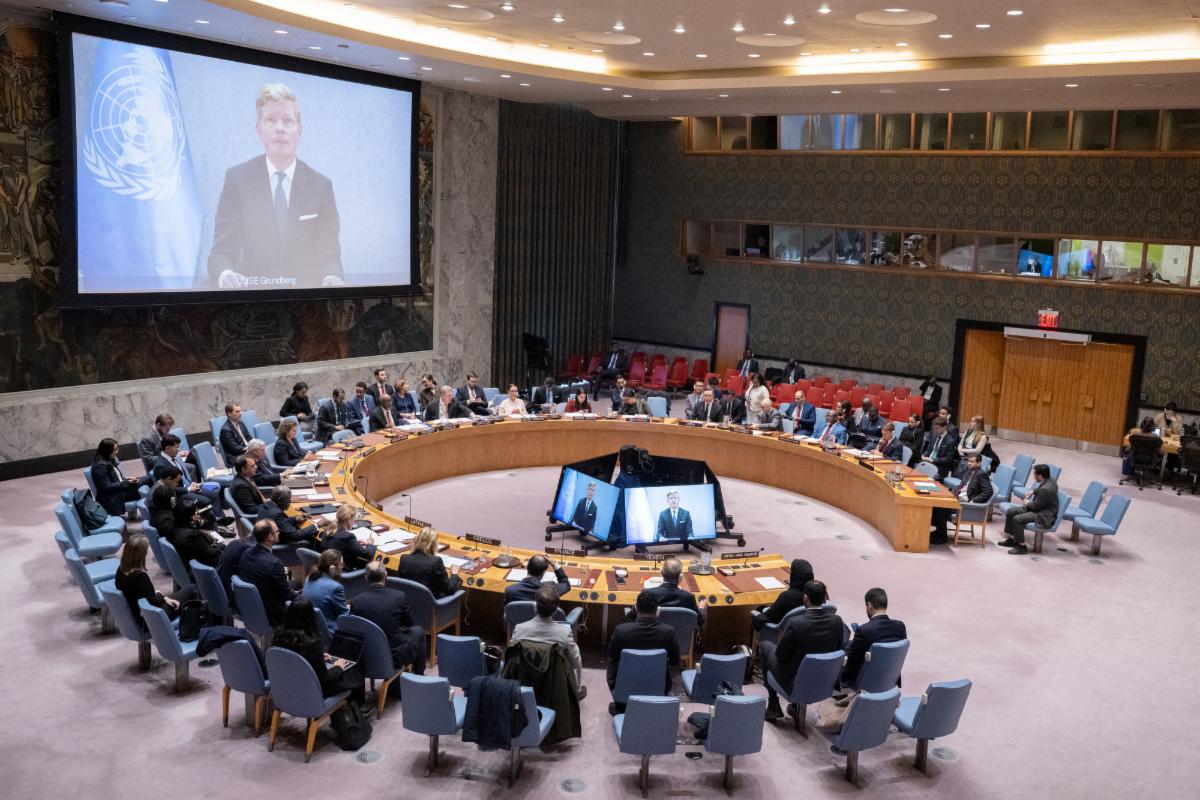
    Special Envoy of the Secretary-General (SESG) for Yemen Hans Grundberg, speaking from Riyadh on 14 January, briefed the Council on developments in southern Yemen. He highlighted his ongoing engagement with Yemeni stakeholders, regional partners, and the international community, including recent discussions in Cairo, Muscat and Riyadh. He noted that while military de-escalation and stabilization have been achieved, the security situation in parts of the south remains fragile. “The future of the south cannot be determined by any single actor or through force. Ultimately, it is up to Yemenis,” he stressed. The Special Envoy reaffirmed that Yemen needs a comprehensive, inclusive, nationwide political process, one that offers Yemenis a space to debate and negotiate fundamental questions about the future shape of the state, security arrangement and economic governance together.

    Read his full remarks

    Personal Envoy Lamamra engages regional partners in Cairo on Sudan

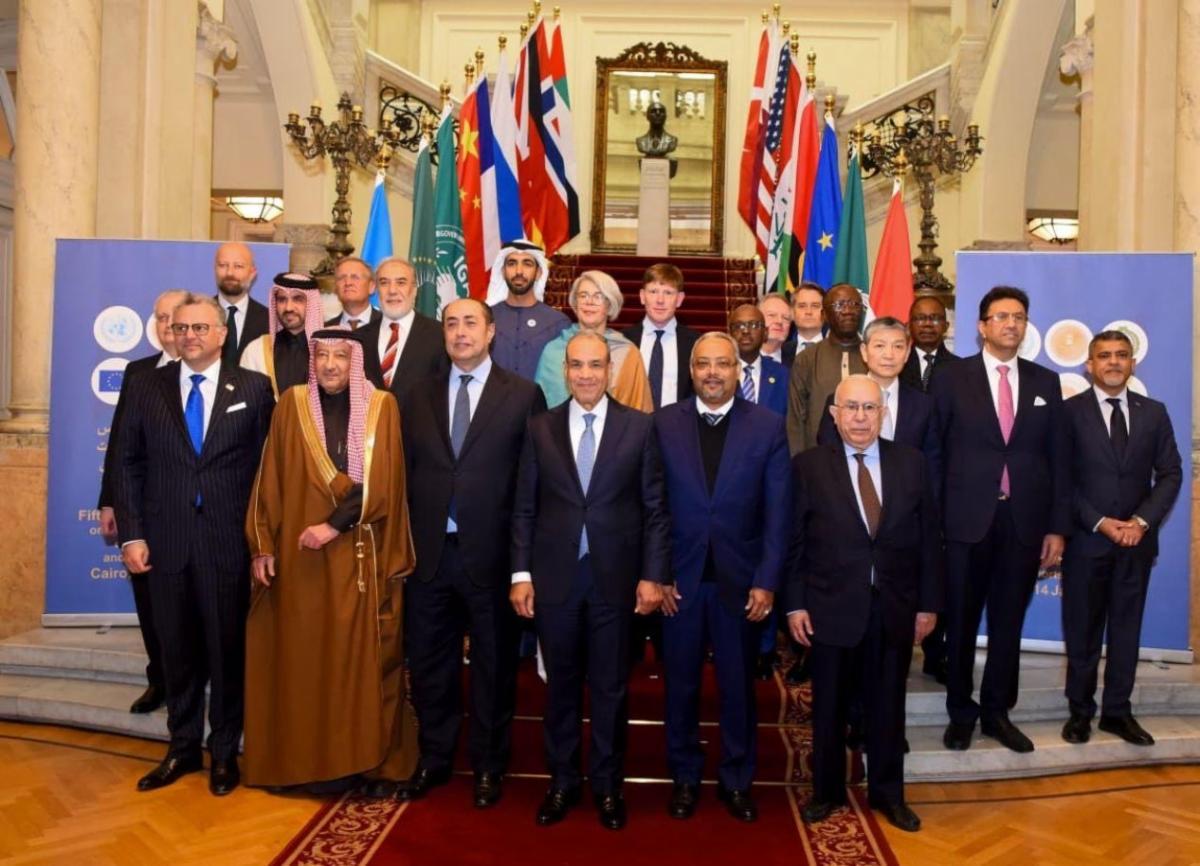
    On 14 January, the Personal Envoy of the Secretary-General (PESG) for Sudan, Ramtane Lamamra, attended the fifth Sudan Consultative Group meeting in Cairo. Representing the UN within the "Quintet" of multilateral partners (AU, IGAD, LAS, EU, and UN), he emphasized the urgency of a single, coherent track to restore peace in Sudan. He held discussions with Egyptian Foreign Minister Badr Abdelatty, Arab League Secretary-General Ahmed Aboul Gheit, US Senior Advisor for Arab and African Affairs Massad Boulos. He also met with Djibouti’s Minister of Foreign Affairs, Saudi Arabia’s Deputy Foreign Minister to strengthen cooperation and renew collective engagements. 

    Sustainable reintegration takes root in Toribío, Colombia

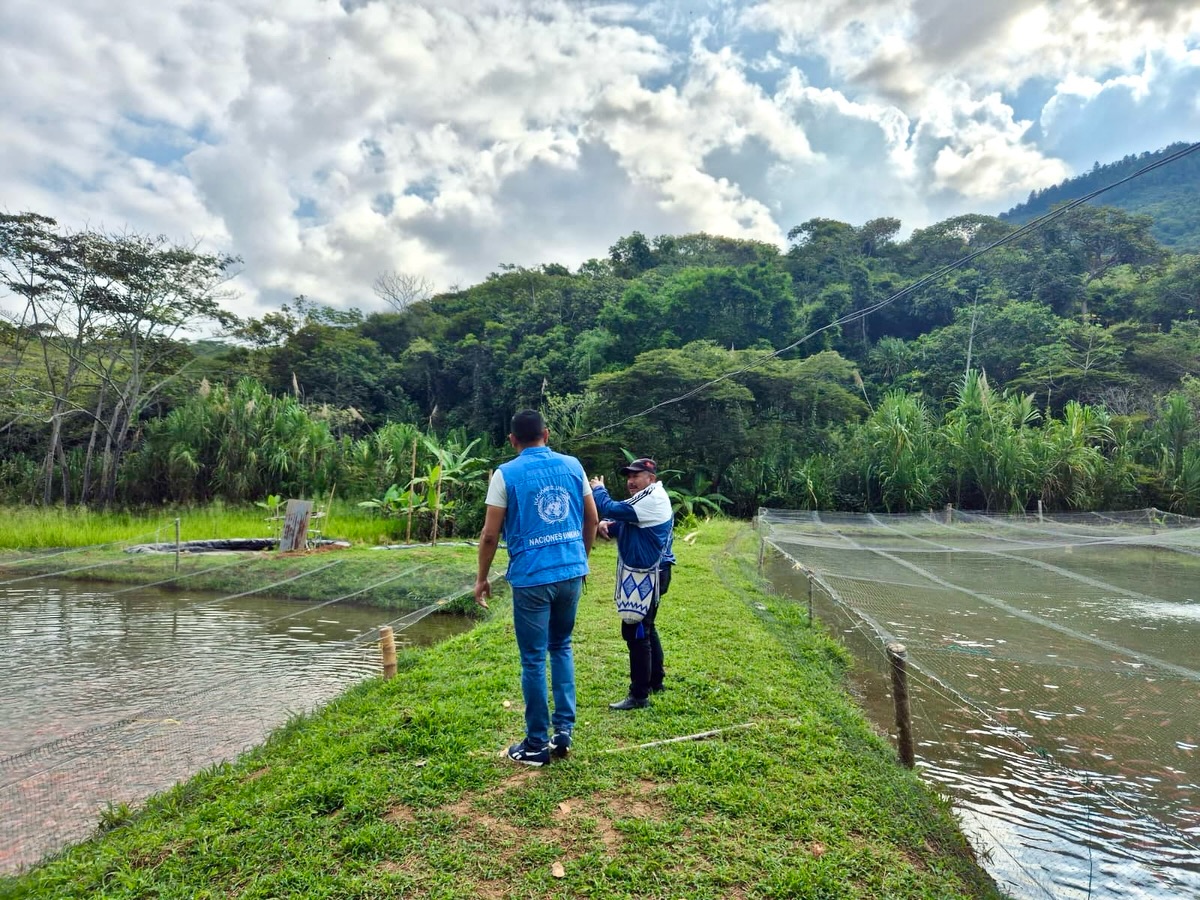
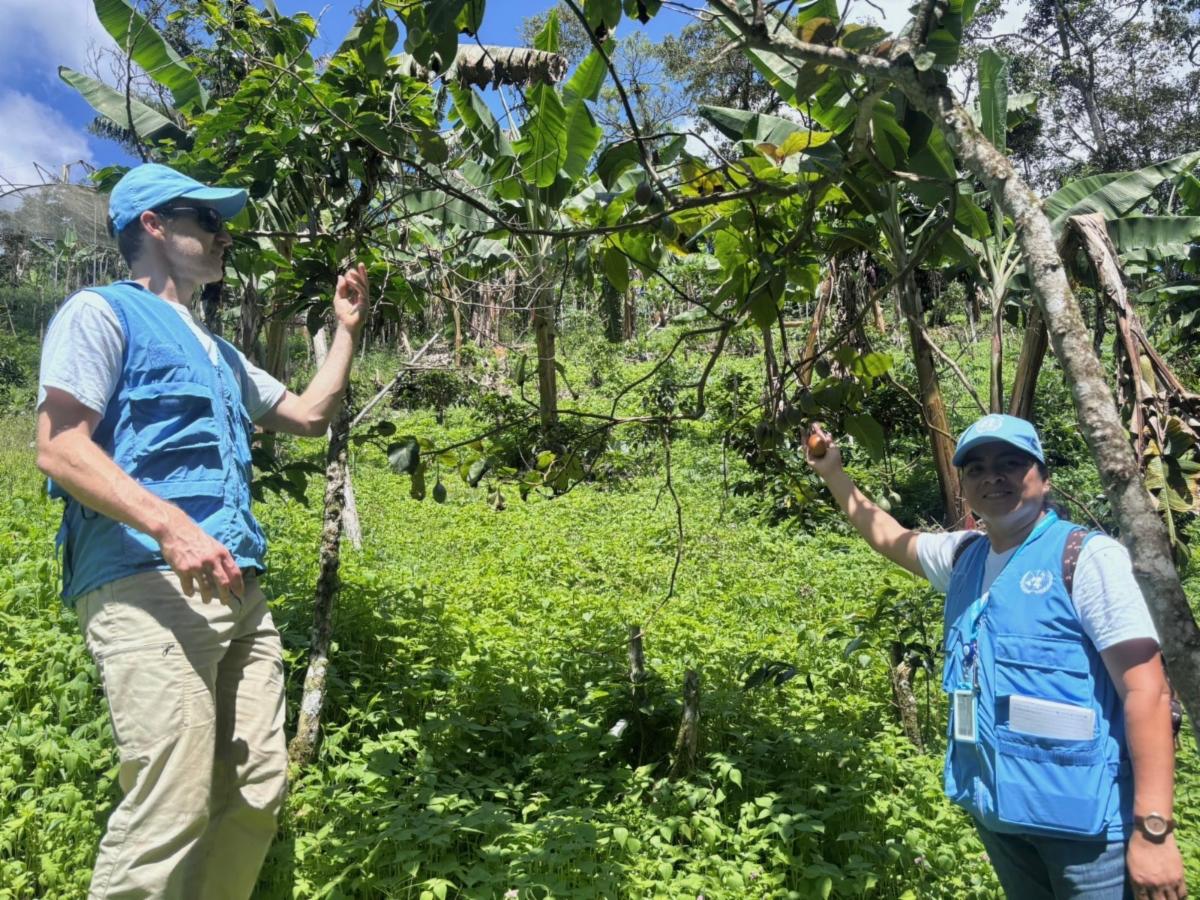
    On 12 January, the United Nations Verification Mission in Colombia (UNVMC) visited land acquired by former combatants from the CMETC cooperative in Toribío, Cauca. The initiative reflects a collective commitment to sustainable reintegration and closer engagement with the local community. Planned fish farming and subsistence crop projects aim to strengthen economic autonomy, consolidate the collective effort and support long-term territorial integration—demonstrating how locally driven initiatives can contribute to lasting peace.

    Secretariat launches unified Peacebuilding and Peace Support Office

    As part of ongoing efforts to enhance efficiencies, a unified Peacebuilding and Peace Support Office (PBPSO) under the Departments of Political and Peacebuilding Affairs (DPPA) and Peace Operations (DPO) is operational as of 14 January. Following General Assembly endorsement, the new office integrates the former Peacebuilding Support Office with three offices previously under the Office of Rule of Law and Security Institutions of the Department of Peace Operations. Described by the Secretary-General as a “centre of excellence on prevention, peacebuilding and peace support,” the unified office will ensure that security gains are reinforced by robust institutions and sustainable development, streamlining the UN's ability to support Member States across the peace continuum.

    2026 Standby Team of Senior Mediation Advisers announced 

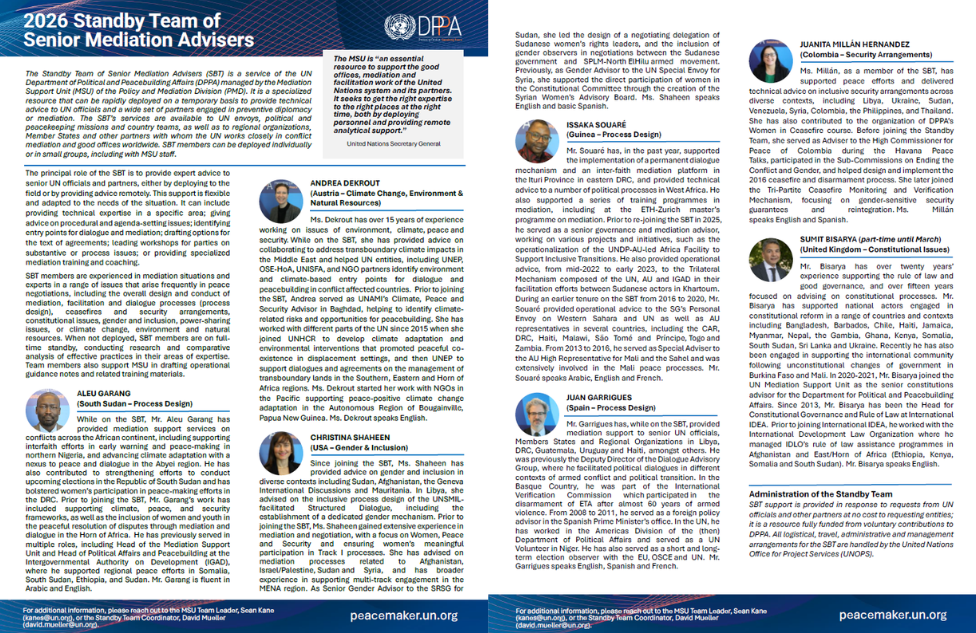
    DPPA and UNOPS announced this week the 2026 Standby Team of Senior Mediation Advisers, which is available to assist UN entities, Member States, regional organizations and civil society actors. The specialized team provides high-level, tailored expertise and rapid technical advice for complex peace processes globally. The DPPA-UNOPS partnership is a cornerstone of the UN’s commitment to providing agile and effective mediation support to the international community.

    Learn more

    DPPA's Security Council Affairs Division releases 2025 highlights of Security Council practice

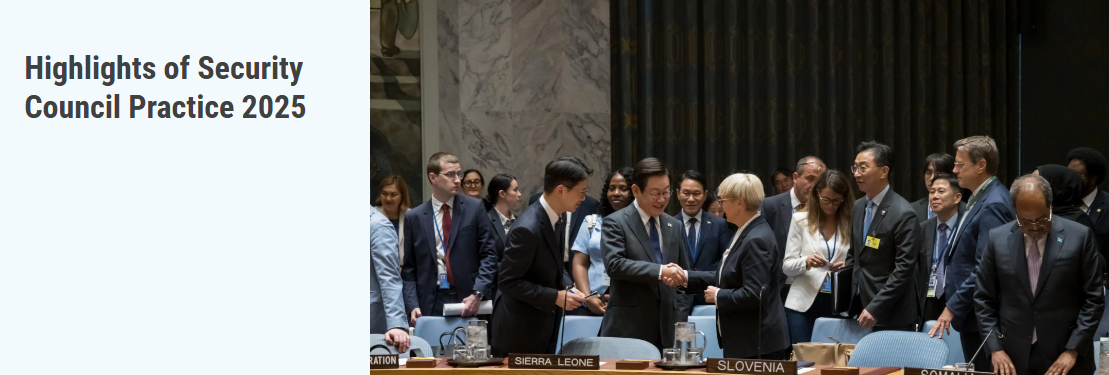
    On 16 January, the Security Council Affairs Division released the "2025 Highlights of Security Council Practice," a comprehensive digital resource providing insights into the Council’s work over the past year. The website features extensive data and graphics covering meetings, agenda items and the activities of subsidiary bodies. Designed as a tool for researchers and diplomats, the publication offers an in-depth look at the Council’s procedural and substantive trends throughout 2025.

    Learn more

    Next Week

    On 21 January, the Security Council will discuss the situation in Haiti. Special Representative of the Secretary-General (SRSG) Carlos Ruiz Massieu is set to brief on recent developments and the latest report of the Secretary-General on the country. Council members will also discuss the renewal of the mandate of the special political mission in Haiti - BINUH - ahead of its 31 January expiry. On 22 January, the Council will convene for a briefing on Syria. On 23 January, the Council will hold its quarterly meeting on Colombia, at which SRSG Miroslav Jenča is scheduled to brief on the latest developments in the implementation of the 2016 Final Peace Agreement.

  • 16 Jan 2026

    Families across Ukraine are in “constant survival mode” amid ongoing waves of Russian missile and drone strikes that have left blocks without power for days at a time, while temperatures plunge to deadly lows, the UN Children's Fund (UNICEF) said on Friday.

  • 16 Jan 2026

    In war-torn Sudan, local communities say they don’t have enough settlements for the internally displaced, few solutions for women who have suffered sexual violence – and there’s a lack of aid available for people with disabilities.

  • 16 Jan 2026

    Peacekeeping operations in the Middle East are facing mounting security risks, funding pressures and political uncertainty, the head of UN peacekeeping warned on Friday.

  • 15 Jan 2026

    Assistant Secretary-General Martha Pobee's Remarks to the Security Council on the Situation in the Middle East

    New York, 15 January 2026

    Mr. President,

    For nearly three weeks, popular protests in the Islamic Republic of Iran have rapidly evolved into nationwide upheaval, resulting in significant loss of life.

    Demonstrations started on 28 December 2025, as a group of shopkeepers in Tehran’s Grand Bazaar gathered to protest the sharp collapse of the currency and soaring inflation, amid a wider economic downturn and worsening living conditions.

    In the following days, demonstrations quickly spread throughout the country and turned into mass anti-government protests—the largest since the “Woman, Life, Freedom” demonstrations of 2022. Protesters voiced grievances that went beyond longstanding economic and financial hardships. Marchers called for the downfall of the government, and demanded freedom, dignity and human rights, with some protesters chanting pro-monarchy slogans.

    The protests were initially peaceful, with scattered clashes between protesters and security forces, according to reports by the media, observations of our United Nations colleagues in the country, and accounts by the Government of Iran.

    However, on the evening of 8 January, protests spread throughout Tehran and other major cities. In response, the Iranian authorities imposed a near-total communications blackout, which remains largely in place today. The authorities also ordered university dormitories to be evacuated, erected concrete barriers around city centres, and reportedly used excessive force against protesters.

    According to media and human rights groups, security forces reportedly killed hundreds or possibly thousands of protesters and bystanders between 8 and 10 January. The United Nations is unable to verify these figures.

    The Government of Iran has stated that it was compelled to act after what it deemed “organized terrorists” and “rioters” infiltrated the protests and opened fire on both security forces and demonstrators, aiming to provoke foreign military intervention. 

    It has also blamed these elements for the killing of hundreds of civilians and members of the security forces.

    Mr. President,

    The Secretary-General has expressed deep concern over the reported excessive use of force in Iran and stressed the urgent need to prevent further casualties.

    The Secretary-General underscored that all Iranians must be able to express their grievances peacefully and without fear. He stressed that the rights to freedom of expression, association, and peaceful assembly -- enshrined in international law -- must be fully respected and protected. He further urged steps to restore access to information, including lifting the communications blackout.

    Human-rights monitors report mass arrests in Iran in connection with the current wave of protests, with estimates exceeding 18,000 detainees as of mid-January 2026, although the UN cannot verify these figures. We call on the authorities to respect due process and fair-trial rights for all detainees. All must be treated humanely and allowed access and visits by their families. In particular, we call on Iran to halt any executions linked to protest-related cases.

    All deaths should be promptly, independently, and transparently investigated. Those responsible for any violations must be held to account in line with international norms and standards.

    Mr. President,

    The situation in Iran is fluid and deeply concerning. Protests continue, albeit reportedly at a smaller scale than last week.

    In this context, we note with alarm various public statements suggesting possible military strikes on Iran.

    This external dimension adds volatility to an already combustible situation. All efforts must be undertaken to prevent any further deterioration.

    The Secretary-General remains convinced that all concerns regarding Iran, including those related to the nuclear issue and ongoing protests, are best addressed through diplomacy and dialogue.

    He urges maximum restraint at this sensitive moment and calls on all actors to refrain from any actions that could lead to further loss of life or ignite a wider regional escalation.

    Mr. President,

    The Secretary-General reaffirms the principles of the Charter, including the obligation of Member States to settle disputes by peaceful means and the prohibition of the threat or use of force in international relations.

    These principles are not abstract ideals—they are the bedrock of international peace and security. They remain as relevant today as they were when the United Nations was founded.

    Thank you.


  • 15 Jan 2026

    As nationwide protests in Iran appear to ease after nearly three weeks of unrest and bloodshed, a senior UN official called on Thursday for action to prevent further escalation. 

  • 15 Jan 2026

    The UN Security Council is meeting in New York in emergency session on Iran, amid escalating concern over reports that hundreds have been killed during weeks of nationwide anti-government protests. The meeting was requested by the United States. Demonstrations that began in late December, fuelled by soaring inflation, rising food prices and the collapse of the national currency, triggered a deadly and widespread crackdown with thousands injured and detained, according to numerous firsthand accounts. The UN has called for independent investigations into all killings and warned against the possible use of the death penalty against protesters. Follow live coverage below, and UN News app users can go here.

  • 15 Jan 2026

    In his final annual address outlining his priorities, UN Secretary-General António Guterres warned that the world is “brimming with conflict, impunity, inequality and unpredictability” – even as international cooperation is fraying at the moment it is most needed.

  • 14 Jan 2026

    A fragile political calm in Yemen is fraying, with renewed instability and aid restrictions deepening hunger, illness and displacement for millions of civilians, senior UN officials warned the Security Council on Wednesday.

  • 13 Jan 2026

    Amid ongoing and intensifying Russian attacks across Ukraine, the UN on Tuesday launched a $2.3 billion humanitarian appeal for 2026 to support 4.1 million of the country’s most vulnerable people.

  • 13 Jan 2026

    Airstrikes, drone attacks and hypothermia continue in Gaza despite the ceasefire, with more than 100 youngsters killed since early October, the UN Children’s Fund (UNICEF) said on Tuesday.

  • 12 Jan 2026

    Under-Secretary-General Rosemary A. DiCarlo's 

    Remarks to the Security Council on Ukraine

    New York, 12 January 2026

    Mr. President,

    The start of the New Year has brought no peace or even respite to Ukraine, but renewed fighting and devastation.

    Large-scale aerial assaults by the Russian Federation against civilians and critical civilian infrastructure across the country have resulted in horrific levels of destruction and suffering.

    As temperatures plummet far below freezing, the Russian Federation has intensified its systematic attacks targeting Ukraine’s energy infrastructure.

    The strikes have killed and injured scores of civilians and deprived millions of Ukrainians of electricity, heating and water for prolonged periods.

    The impact of these attacks is felt hardest by the most vulnerable: the elderly, children, and persons with limited mobility.

    They follow a well-established and deeply troubling pattern: attacks escalate when weather conditions worsen and people’s need for heating becomes most acute.

    In one of the most recent large-scale barrages, overnight between 8 and 9 January, the Russian Federation reportedly launched 242 drones and 36 missiles against Ukraine.

    In Kyiv, at least four people were reportedly killed and 25 others injured. A paramedic rushing to provide emergency medical care was among those killed, reportedly by a so-called “double-tap” strike.

    Energy facilities and multiple residential buildings were damaged, leaving nearly half of the city and hundreds of thousands of residents without heating. The Embassy of Qatar was also damaged.

    That same day, areas of the western Lviv region, near the Polish border, were reportedly targeted by a Russian intermediate-range ballistic missile, the so-called “Oreshnik”.

    This would be the second time the potentially devastating weapon has been fired at Ukraine since 2024.

    The Oreshnik system is believed to be capable of carrying nuclear weapons, which has heightened concern over its deployment.

    According to Ukrainian authorities, this strike damaged gas distribution pipelines, raising additional concerns about risks to critical civilian infrastructure.

    Also on 8 January, two foreign-flagged civilian vessels were hit by Russian drones in the Odesa region.

    On 7 January, Russian strikes in the Dnipropetrovsk and Zaporizhzhia regions reportedly left more than one million people without running water or heating.

    In Kryvyi Rih, 17 people, including children, were reportedly injured when missiles and drones hit residential buildings and other civilian infrastructure.

    And in the Odesa region, two people were reportedly killed and eight others injured in an attack on two ports. Cooking oil storage facilities and containers were damaged.

    Odesa was hit again yesterday. This was the latest in a highly concerning escalation of strikes targeting Ukraine’s port infrastructure and commercial shipping.

    In recent weeks, civilian casualties and extensive damage to critical infrastructure have also been reported in Kherson, Donetsk, Kharkiv and Sumy regions.

    In total, since the start of the Russian Federation’s full-scale invasion of Ukraine in February 2022, the Office of the High Commissioner for Human Rights (OHCHR) has verified that at least 14,999 civilians have been killed, including 763 children, and 40,601 civilians injured, including 2,486 children. The actual figures are likely higher. OHCHR’s Monitoring Mission in Ukraine has just reported that 2025 was the deadliest year for civilians since 2022.

    Mr. President,

    Inside the Russian Federation, local authorities continue to report civilian casualties and damage to civilian infrastructure resulting from alleged Ukrainian strikes.

    We are seeing additional reports of escalating cross-border attacks on Russia’s oil and energy facilities, some of which reportedly resulted in civilian casualties and damage to civilian and residential facilities.

    In Belgorod oblast, local authorities reported that 600,000 residents were left without electricity, heating and water after a Ukrainian strike on 9 January.

    The authorities also reported the use of drones targeting Kursk, Bryansk and Belgorod regions on 10 January, which left one person killed and at least three other people injured.

    Due to lack of access and limited public information, the United Nations is not in a position to verify these reports.

    Mr. President,

    We reiterate the Secretary-General’s strong condemnation of all attacks against civilians and civilian infrastructure. Such attacks violate international humanitarian law.

    No matter where they occur, they are unacceptable, unjustifiable, and must stop immediately.

    Mr. President,

    As hostilities intensify, the situation at Ukraine’s nuclear sites remains extremely precarious.

    On the night of 3 January, Europe’s largest nuclear power plant, the Zaporizhzhia Nuclear Power Plant (ZNPP), temporarily occupied by the Russian Federation, lost power from one of its high-voltage lines due to hostilities.

    Over past week, the team of the International Atomic Energy Agency (IAEA) at the site has reported a significant increase in military activity in the areas surrounding the plant, including explosions heard close to the facility.

    These events are exceedingly alarming. The IAEA continues its efforts to establish temporary ceasefire zones in the areas around the plant to allow for essential repair work to ensure its safe and secure functioning.

    We urge both the Russian Federation and Ukraine to engage constructively with the IAEA and to immediately cease any military activities near the plant in order to reduce the risk of a catastrophic accident.

    Mr. President,

    In just over a month, we will mark four years since the start of the Russian Federation’s full-scale invasion of Ukraine.

    The war has brought untold suffering to the Ukrainian people, killed an unimaginable number of young men of both countries, caused global economic dislocation and sown instability in the region and beyond.

    The damage it has done to the international system is still being measured. The war should never have started. It must stop.

    We commend the efforts of the United States and all others concerned working towards peace.

    We urge all involved to sustain this vital work, including through concrete steps to deescalate, stop the ongoing attacks impacting civilians in Ukraine and in the Russian Federation, and establish clear parameters to end this devastating conflict.

    We reaffirm the Secretary-General’s repeated calls for an immediate, full and unconditional ceasefire as a first step towards a just, lasting and comprehensive peace grounded in respect for international law and the principles of the United Nations Charter.

    Any peace in Ukraine must fully uphold the sovereignty, independence and territorial integrity of Ukraine, within its internationally recognized borders.

    The United Nations remains ready to support all meaningful efforts toward this end. 

    Thank you, Mr. President.

  • 12 Jan 2026

    The UN Security Council is meeting in emergency session in New York over Russia’s ongoing deadly missile and drone strikes targeting Ukrainian civilians and energy infrastructure, as frigid winter conditions grip the war-torn country. Millions have been deprived of electricity, heating and water. The UN Secretary-General has called the stepped up attacks an unacceptable violation of international humanitarian law. Follow live below and find all our in-depth meetings coverage here. UN News app users can go here.

  • 12 Jan 2026

    The humanitarian crisis across the Gaza Strip remains extremely serious, with harsh winter weather threatening to reverse recent gains in aid delivery, the United Nations said on Monday.

  • 12 Jan 2026

    Ukraine has entered the new year under intensifying and deadly Russian attacks which have crippled energy systems and left millions without heating, electricity or water amid freezing temperatures, senior UN officials told the Security Council on Monday.

  • 10 Jan 2026

    Sudan’s protracted conflict has spiralled into one of the world’s most severe humanitarian crises, with hunger, displacement and the collapse of basic services exacting a daily toll on civilians.

  • 9 Jan 2026
    A brief roundup of United Nations-related political and peacebuilding events and developments globally.

    Security Council hears Secretary-General’s concerns on Venezuela

    On 5 January, the Security Council convened to discuss the situation in Venezuela. Council members heard remarks by the Secretary-General, delivered by Under-Secretary-General Rosemary DiCarlo on his behalf. The Secretary-General expressed deep concern that the military operation conducted on 3 January could intensify instability in Venezuela, with potential repercussions for the wider region, and set a troubling precedent for relations among States. He underscored that the rules of international law, including the principles enshrined in the Charter of the United Nations — particularly the prohibition of the threat or use of force against the territorial integrity or political independence of any Member State — must be respected. 

    Read his full remarks

    Special Envoy for Yemen concludes Riyadh visit

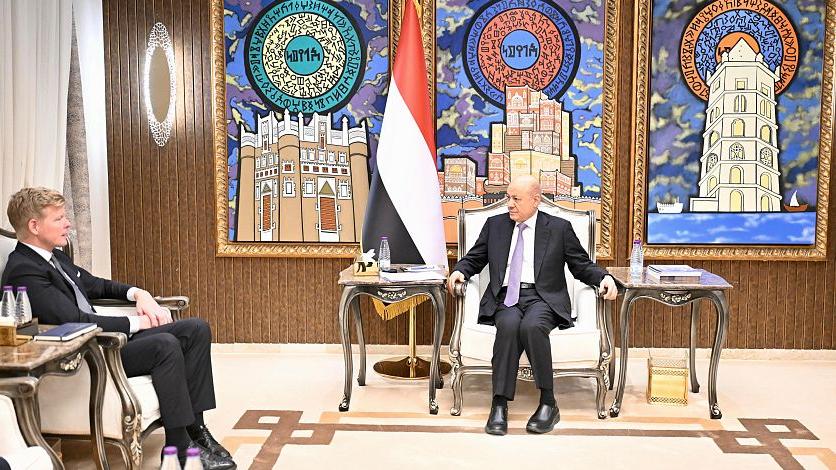
    On 8 January, Special Envoy of the Secretary-General for Yemen Hans Grundberg concluded a visit to Riyadh, Saudi Arabia, where he met with the President of the Presidential Leadership Council (PLC), Rashad Al-Alimi, the Yemeni Minister of Foreign Affairs, Shaya Zindani, and other senior Yemeni officials, as well as representatives of the five permanent Member States of the Security Council. The meetings addressed recent developments in Yemen and their broader implications. The Special Envoy said the PLC President’s call for a Saudi-hosted southern dialogue offers a timely opportunity to ease tensions and advance stabilization, stressing the importance of inclusive dialogue for the sake of the country’s future and for the sake of its people.

    Read more

    Special Coordinator for Lebanon visits Israel

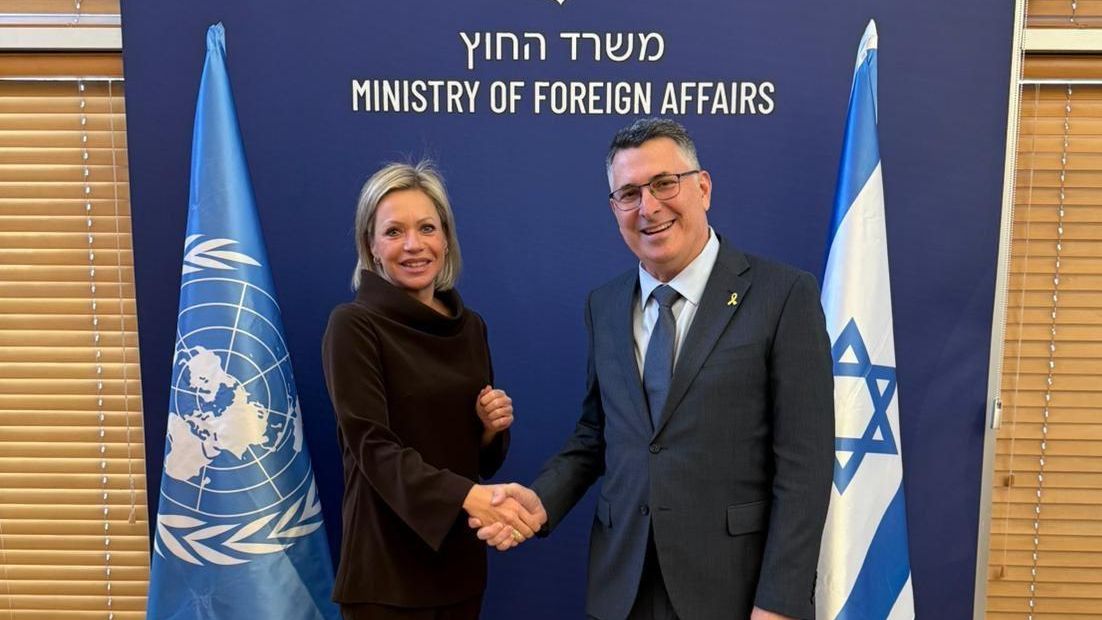
    Special Coordinator of the Secretary-General for Lebanon Jeanine Hennis-Plasschaert met on 4 January Israeli Foreign Minister Gideon Sa’ar and other senior Israeli officials during her visit to Israel. The discussions aimed at advancing the implementation of Security Council resolution 1701 (2006) and the November 2024 cessation of hostilities arrangement. The visit was part of the Special Coordinator’s regular consultations with stakeholders key to the implementation of resolution 1701.

    Read more

    Community tourism opens pathways to sustainable peace in Cauca

    In Timbío, in the department of Cauca, former combatants from the Las Veraneas collective are devekioubg a community-based tourism initiative that brings together coffee production, subsistence farming, and birdwatching. On 5 January, the UN Verification Mission in Colombia (UNVMC) accompanied one of the project’s first guided tours, highlighting how local knowledge, environmental stewardship, and collective action are helping to create sustainable livelihoods and support reintegration. Central to the initiative is a women-led glamping project linked to the productive venture Café Sabor La Esperanza. Despite persistent security challenges in the region, the project illustrates how peacebuilding continues to take root in communities, driven by local leadership and inclusive economic opportunities.

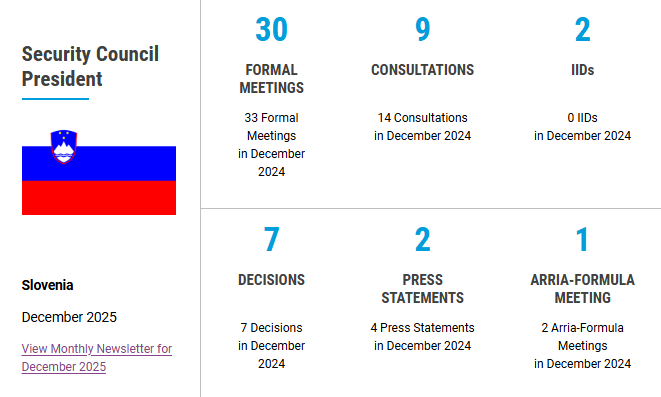
    “UN Security Council in Review” for December 2025 is out

    This week, DPPA’s Security Council Affairs Division published its monthly newsletter on the work of the Council. The latest edition of "UN Security Council in Review" reports that, under the Presidency of Slovenia in December 2025, the Council held 30 formal meetings. The signature event of the month was the open debate on “Leadership for Peace” (S/2025/788), held on 15 December under the agenda item “Maintenance of international peace and security.” The meeting featured a briefing by Ban Ki-moon, former Secretary-General and Elder Emeritus.

    Read more

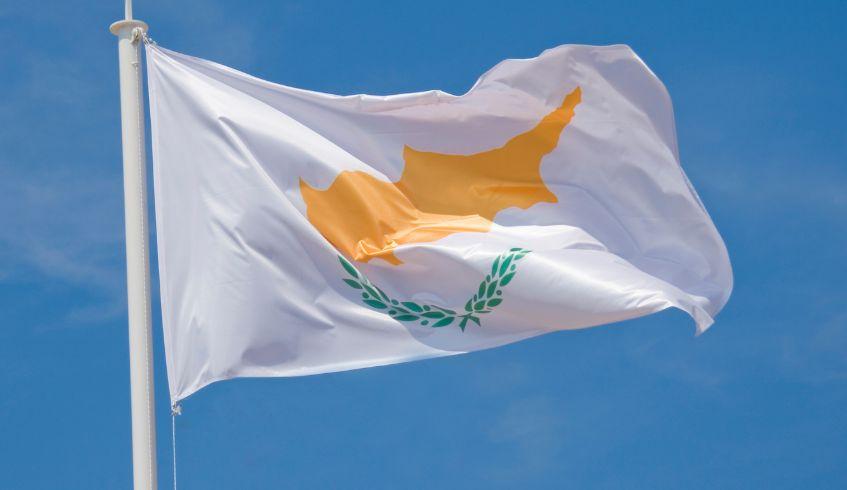
    Cyprus contributes to DPPA’s Multi-Year Appeal

    This week, DPPA thanks the Government of Cyprus for its contribution of EUR 20,000 to the Department’s Multi-Year Appeal (MYA). The MYA is DPPA’s voluntary funding mechanism, enabling flexible, rapid support for preventive diplomacy, mediation and other core priorities. 

    Learn more about the MYA

    Next Week

    On 14 January, the Security Council will discuss the situation in Yemen. 

  • 9 Jan 2026

    Aid agencies marked 1,000 days of war in Sudan on Friday with a grim reminder that the conflict has created the world’s biggest hunger crisis and largest displacement emergency. Every day, civilians have been “paying the price for a war they did not choose”, said UN aid coordination office, OCHA.

  • 9 Jan 2026

    UN agencies are supporting efforts on Friday to keep energy services up and running in Ukraine, and families warm amid freezing winter temperatures, following a large-scale overnight attack. 

  • 9 Jan 2026

    Despite reductions in the overall number of conflict-related incidents in South Sudan, a rise in abductions and sexual violence is concerning, the UN peacekeeping mission in the country, UNMISS, said on Friday. 

  • 9 Jan 2026

    The UN has raised serious concerns ahead of Uganda’s elections scheduled for 15 January, warning they will take place in an environment marked by widespread repression, intimidation and shrinking civic space.

  • 8 Jan 2026

    Progress continues to be made towards eliminating remnants of the chemical weapons programme in Syria that was developed under the Assad regime, the UN Security Council heard on Thursday.

  • 8 Jan 2026

    Several parts of Ukraine were hit by a new wave of Russian strikes between Wednesday and Thursday morning.

  • 8 Jan 2026

    UN Secretary-General António Guterres continues to be gravely alarmed by escalating hostilities in Aleppo, Syria, and mounting reports of civilian casualties, his Spokesperson said on Thursday. 

  • 8 Jan 2026

    An independent human rights expert has urged the international community to reject the electoral process organised by Myanmar’s military government, after the first round of voting revealed widespread coercion, exclusion and violence.

  • 7 Jan 2026

    At least five civilians have been killed and some 30,000 people displaced following renewed fighting in Aleppo, Syria, prompting calls from the UN for immediate de-escalation and a return to political talks.

  • 7 Jan 2026

    Almost four years since Russia’s full-scale invasion of Ukraine, aid teams continue to adapt to the lethal reality of working in a modern war zone. 

  • 7 Jan 2026

    Some two decades after a shaky political transition, Iraq today is a country “at peace, with increased security and a clear determination to win the battle of development,” says the UN resident coordinator for Iraq on Wednesday.

  • 6 Jan 2026

    Responding to the seizure of Venezuela President Nicolás Maduro by the United States, UN human rights chief Volker Türk on Tuesday reiterated deep concerns that the military operation undermined fundamental protections for sovereign countries.

  • 6 Jan 2026

    Thirteen more lives – including children – were reportedly lost on Tuesday in another drone attack on Sudan’s North Kordofan region.

  • 6 Jan 2026

    Thousands of displaced people in northern Syria are struggling to cope with freezing conditions after a severe snowstorm struck dozens of displacement sites, the UN aid coordination office (OCHA) said on Tuesday.

  • 5 Jan 2026

    The Security Council met in emergency session in New York to address the US rendition of Venezuela’s President Nicolás Maduro from Caracas, a move that has sent shockwaves through the region and beyond. The UN chief António Guterres told ambassadors there must be respect for national sovereignty, “political independence and territorial integrity,” after warning on Saturday that the US had set a “dangerous precedent” for the world order. Follow the historic meeting live below from the UN Meetings Coverage team, and UN News app users can click here.

  • 5 Jan 2026

    Invoking the bedrock principle prohibiting the use of force against the territory and independence of any State, the UN Secretary-General told the Security Council on Monday there must be “full respect” for the UN Charter, in the face of the United States military intervention in Venezuela and seizure of President Nicolás Maduro.

  • 5 Jan 2026

    In Sudan, civilians continue to bear the brunt of escalating violence, particularly in the Darfur and Kordofan regions. 

  • 5 Jan 2026

    As protests in the Iranian capital, Tehran – sparked by increasing economic hardship and a cost-of-living crisis – continued for a ninth day, the UN Secretary-General said he was “deeply saddened by the reported loss of life and injuries,” resulting from clashes between security forces and protesters.

  • 5 Jan 2026

    The UN Security Council met on Monday against a sharply altered diplomatic backdrop, following US strikes on the Venezuelan capital and seizure of President Nicolás Maduro.

  • 3 Jan 2026

    The UN Secretary-General Antonio Guterres has said he is “deeply alarmed” over the standoff between the United States and Venezuela in recent months, which culminated on Saturday morning in the capture of President Nicolás Maduro by US special forces.

  • 3 Jan 2026

    A teenage Haitian girl who was forced to flee her home in Haiti’s capital, Port-au-Prince, due to gang violence has urged adults not to “give up on children.”  

  • 2 Jan 2026

    Humanitarian partners in the Gaza Strip are struggling to reach hundreds of thousands of vulnerable people as winter storms batter damaged homes and temporary shelters.

  • 2 Jan 2026

    From deploying peacekeepers to conducting quiet – but at times heated – diplomacy, the UN Security Council sits at the heart of global decision-making on war and peace. As of January, five new countries will have a seat around the iconic horseshoe table.

  • 1 Jan 2026

    As 2026 begins, residents of the Gaza Strip are confronting life in displacement camps and among the ruins of destroyed neighbourhoods – facing deep uncertainty after months of war and devastation.

2025