Distinguished members of the Convening Committee,
Representatives of endorsing organizations,
Colleagues and friends,
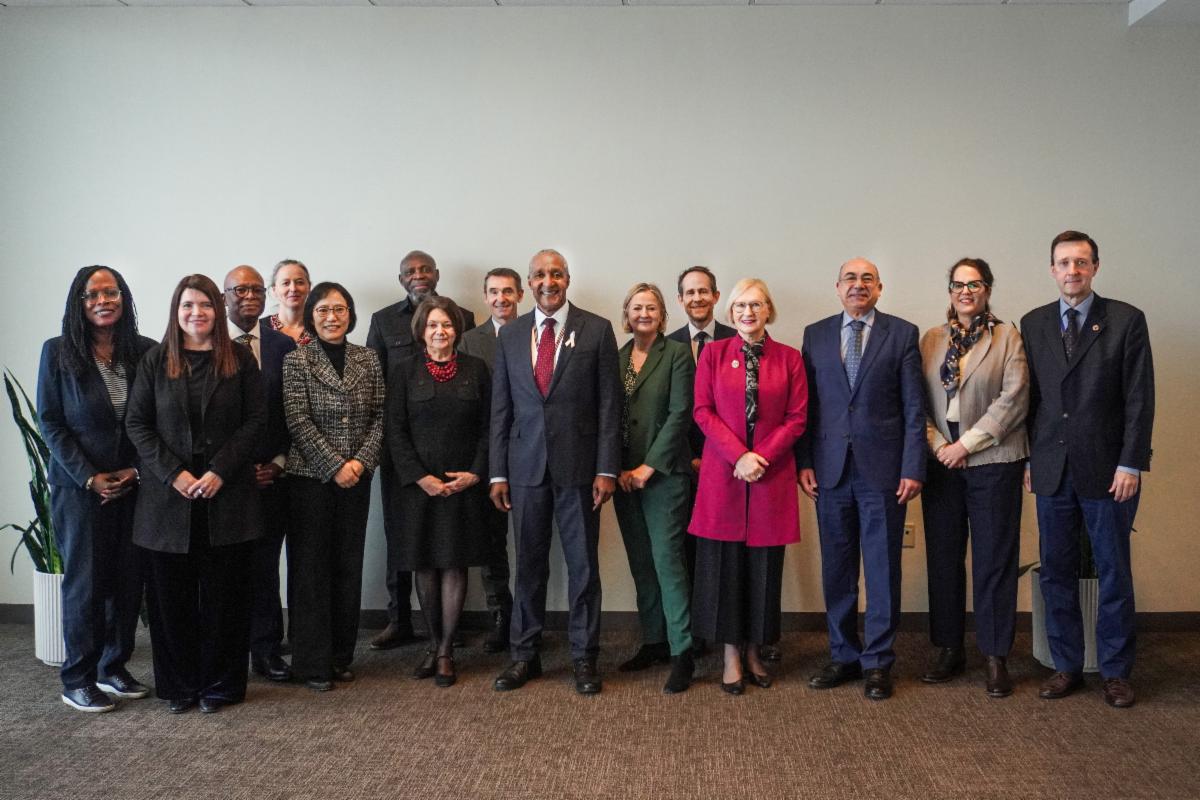
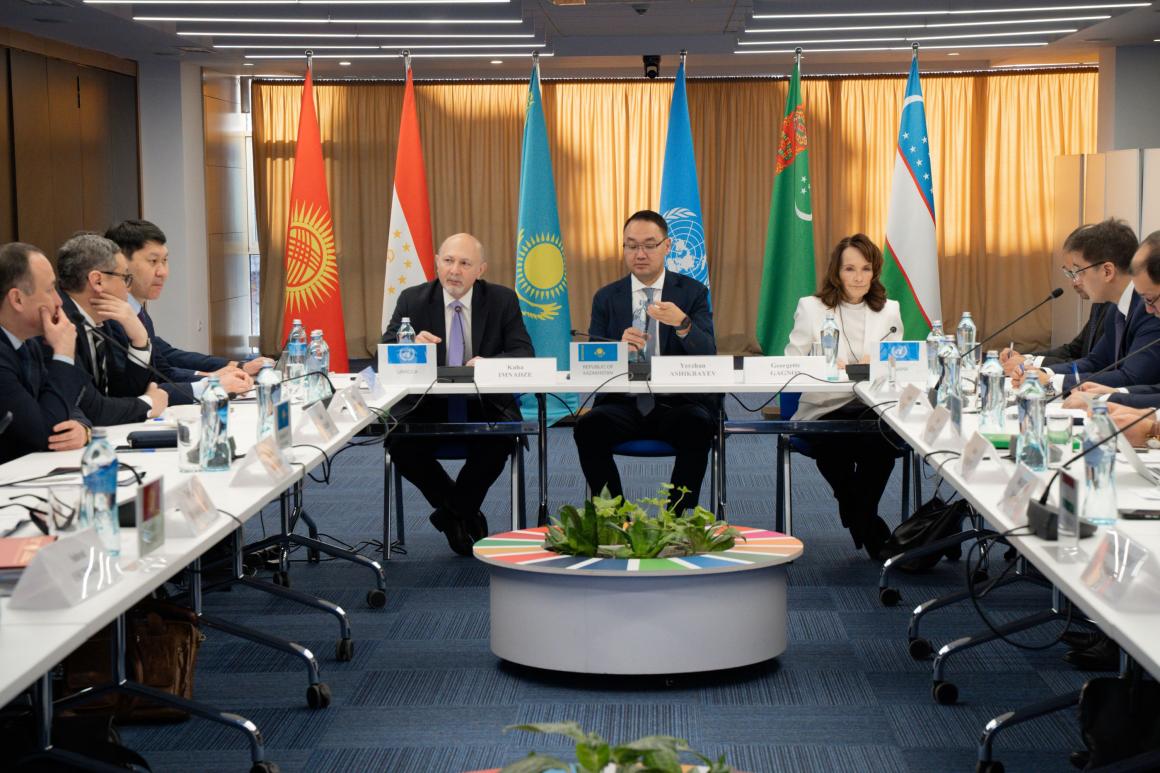
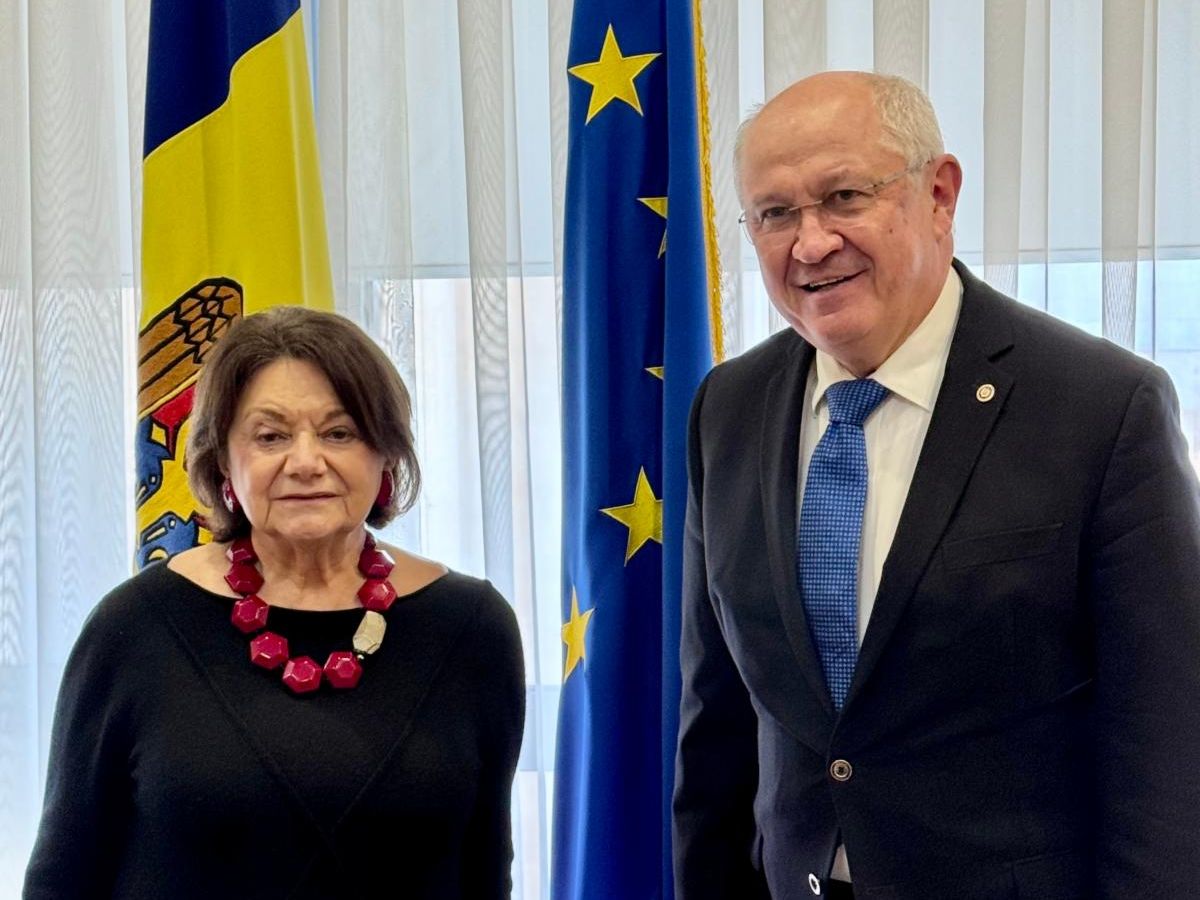
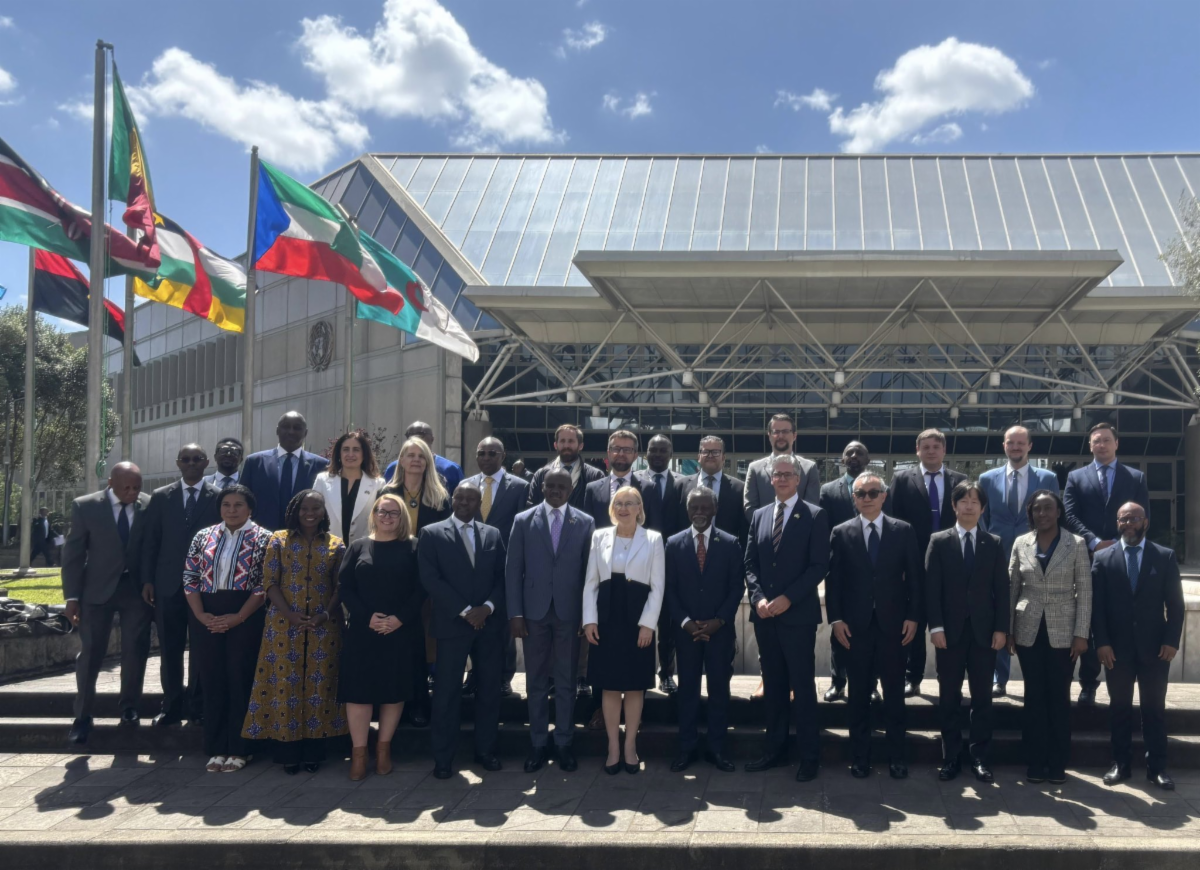
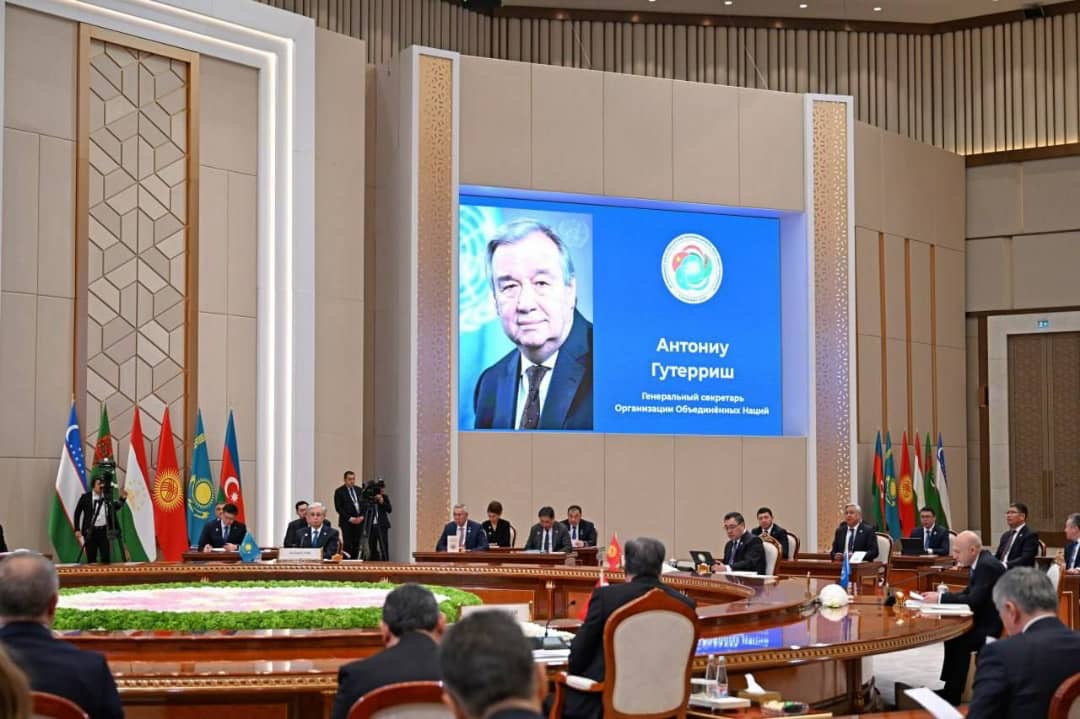
It is a great honour to welcome you, on behalf of the United Nations, to this anniversary meeting of the Declaration of Principles for International Election Observation.
As the Secretary-General observed [in his video remarks], the principles in the Declaration are as valid as when they were adopted twenty years ago.
But the world in which we try to apply these principles has changed almost beyond recognition.
In most countries elections go smoothly and result in peaceful transfers of power. But today, democracy faces challenges that we did not foresee in 2005, such as cyber threats, and the effects of profound geopolitical shifts.
We also continue to face more familiar headwinds, often engineered by incumbents to stay in power irrespective of the popular will. These include political polarization, information manipulation, violence, shrinking civic space, suppression of opposition voices, and logistical hurdles.
Too many elections follow the letter of the law but don’t involve a genuine, inclusive process. People don’t feel heard or represented. They lose trust in their governments and in each other.
I am pleased that you will have the opportunity at this meeting to reflect in depth on how the electoral observation community can navigate these complexities.
Excellent background papers have already been prepared to inspire conversation but allow me to add some thoughts of my own to the mix.
Taking the categories offered by the Secretary-General, let me ask you how the election observation community can adapt or contribute.
First, transparency.
The challenges of new technologies and information integrity are clear. What is less clear is how to distinguish election-related disinformation from “general” disinformation, and, thus where responsibility lies for tackling the problem.
The observation community can make an important contribution by further defining its role in the realm of information integrity, and by developing new methodologies to match the complexities.
Second, participation and inclusion.
We look to States to implement their commitments to the equal treatment of men and women, and to the inclusion of minorities and persons with disabilities.
Your findings and recommendations on these issues are critical, particularly to keep attention focused on commitments made.
And these goals can also guide observation missions themselves. How can the composition of observation teams model the ideals of inclusion?
Young people deserve special consideration. This past year we have again seen the consequences when young generations feel systemically excluded from politics.
The call for governments to integrate the voices of youth is not new.
But it needs to be heard even more clearly and urgently, including from observers and the assistance community.
As a basis for better analysis and policy design, the UN has begun encouraging electoral authorities to publish voter and candidate data disaggregated by age and gender.
I would welcome your support for this, including similar encouragements through your recommendations.
Third, protection.
The election observation community also faces extreme pressures, including threats and acts of violence.
I hope that this gathering will enable you to share lessons on how to manage these impediments to your work and to find solidarity in this community.
Which brings me to the fourth area, namely partnership.
When the Declaration was adopted, it had twenty-one endorsing organizations. Today we have fifty-four.
As the Secretary-General recalled, the UN is seeing growing demand for electoral assistance. In an increasingly complex global context, this places an ever-higher premium on working effectively together.
Which is why I am so pleased to see you all gathered here on this anniversary.
I trust that you will come away from these two days with a shared sense of how the Declaration can remain part of the normative scaffolding of genuine elections.
May your discussions in the coming days be productive, forward-looking, and guided by the same spirit of collaboration that inspired the Declaration twenty years ago.
Thank you.
Distinguished civil society representatives, excellencies, colleagues,
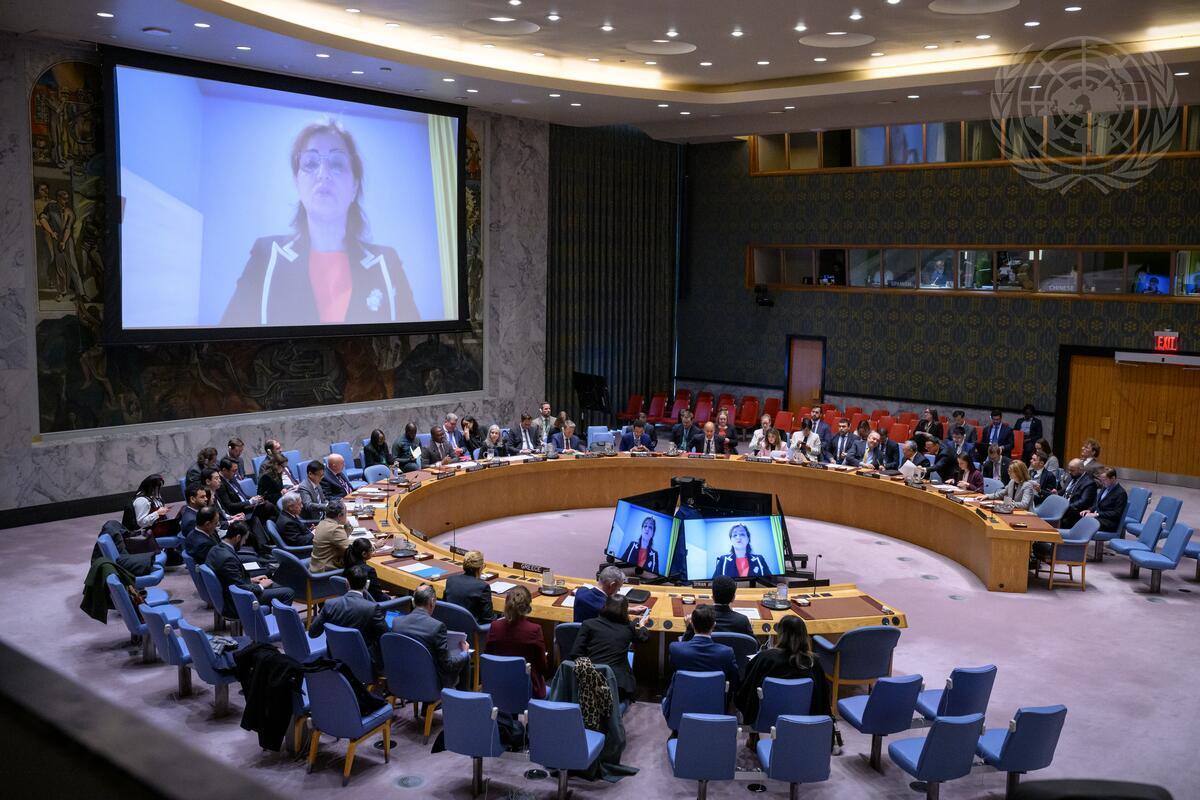
It is a pleasure to address you today at this third annual CSO-UN Dialogue on Peacebuilding. I am grateful to see so many of you here today – peacebuilders, youth and women’s networks, community leaders and human rights defenders from across the globe.
Your presence reminds us that peacebuilding is at its core, a people-centered endeavor. Institutions matter, but it is people and communities who insist every day that peace is possible.
We meet at a moment of profound global turbulence. Geopolitical tensions continue to rise, adding to the already considerable strain on the tools for safeguarding international peace and security.
Armed conflicts have surged to unprecedented levels, with one in eight people regularly exposed to violent conflict. Climate change, environmental degradation, and competition over natural resources continue to exacerbate insecurity and stoke instability.
Even in places spared by war, polarization, manipulation of information and declining trust in institutions erode the social contract and threaten stability. All these factors make prevention harder and peace more fragile, while threatening sustainable development.
In short, we are facing complex, interconnected challenges. None of us – Member States, regional organizations, the UN, or civil society –can address them alone. This is why the theme of this Dialogue, focused on comprehensive, multi-level action, is so timely and relevant. And among the multiple actors that must come together to meet this defining moment, you play a critical role.
As the Secretary-General underscores in his policy brief on A New Agenda for Peace, civil society is one of the UN’s most valued partners.
You are often the first to detect risks, the first to respond to emerging tensions, and the first to support communities in crisis. You are indispensable in mediating disputes, documenting violations, rebuilding trust and holding institutions accountable.
We are proud to support this work, including through the Peacebuilding Fund. And as the following examples demonstrate, the impact of your work is undeniable:
This ongoing, often unseen, work by civil society is unfolding as an overwhelming majority of Member States at the global level reaffirms prevention and peacebuilding as collective priorities.
The Pact for the Future adopted last year reflects this renewed Member State focus, placing people at the center of peace efforts and emphasizing the importance of inclusive governance, civic space and the meaningful participation of women, youth, and broader civil society. It recognizes that peace is an endeavor that needs to engage the whole of society.
The twin resolutions from the recently concluded 2025 UN Peacebuilding Architecture Review reaffirm prevention as a highly cost-effective investment and emphasize that it must be nationally led and owned. The resolutions also stress the importance of partnerships with civil society organizations, especially local peacebuilders, grassroot organizations, and women- and youth-led organizations.
Ladies and gentlemen,
These commitments create momentum. But momentum only matters if it translates into better outcomes for communities.
This is where your insight, advocacy and leadership remain essential. The CSO-UN Dialogue should not be just another meeting – it should continue to reinforce an infrastructure for cooperation between global decision-making and local realities.
We should use this platform to elevate your insights into global policy spaces.
The Peacebuilding Commission is meeting during this Dialogue. It is an immediate opportunity to turn your recommendations into inputs for Member States as they consider how the recent Peacebuilding Architecture Review can lead to more effective implementation and impact.
My hope for this Dialogue is that we leave Geneva with a clear sense of how to keep this platform dynamic and relevant: how we maintain the network, how we ensure follow up and how we make our work for peace ever more consequential.
Thank you.
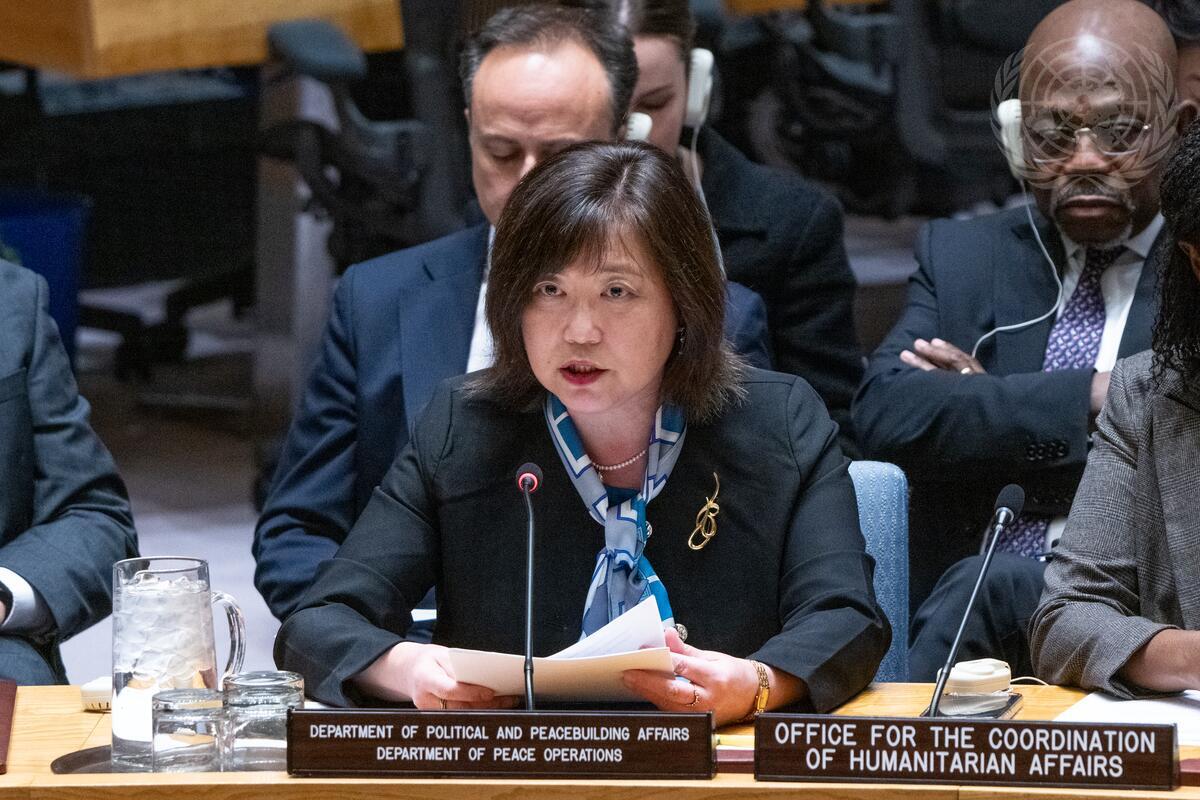
Madam President,
As the holiday season approaches, Ukrainian civilians are preparing to end yet another difficult year at war – without a ceasefire and with uncertain prospects for lasting peace.
Despite cautious optimism around resumed diplomatic efforts, 2025 has been one of the deadliest for the people of Ukraine.
Civilian casualties between January and November this year were 24 percent higher compared to the same period in 2024.
These figures continue to increase, as the Russian Federation escalates its aerial attacks across Ukraine.
On the night of 5 to 6 December, dozens of civilians were injured and hundreds of thousands left without power and other basic utilities, following large-scale Russian missile and drone strikes, targeting energy and transport infrastructure in ten regions across Ukraine.
The night before, a 12-year-old boy was killed in a drone attack on a village in Dnipropetrovsk region.
A week earlier, on 29 November, a massive Russian drone and missile attack reportedly killed six people and injured dozens of others in Kyiv, Dnipropetrovsk and Kherson regions.
This attack also left more than 600,000 people in the Kyiv region without power, under freezing winter temperatures.
On 23 November, a drone strike on Ukraine’s second-largest city, Kharkiv, reportedly killed four people.
In total, since the start of the Russian Federation’s full-scale invasion of Ukraine in February 2022, the Office of the High Commissioner for Human Rights (OHCHR) has verified that 14,775 Ukrainian civilians, including 755 children, have been killed. 39,322 more, including 2,416 children, have been injured. These numbers only represent the verified casualties. Actual figures are likely significantly higher.
The Russian Federation continues to target Ukraine’s civilian infrastructure.
Systematic attacks on energy infrastructure in the middle of winter threaten to leave millions without reliable heating, water and public transportation as temperatures drop.
People in high-rise buildings cannot use elevators, which leaves the elderly and persons with disabilities trapped in their homes.
This year alone, more than 340 educational facilities in Ukraine have been damaged or destroyed, depriving children of their right to education.
Local authorities from front-line communities of Donetsk, Kharkiv, Kherson, and Sumy regions reported that access to essential services had collapsed: food shops and pharmacies are closed, medical personnel has left, and electricity cuts have lasted for more than two years in some areas.
These deprivations, in addition to the horrors of daily indiscriminate attacks, are driving further large-scale displacements.
At the same time, local authorities from communities across the border in the Russian Federation also continue to report new civilian casualties from regular attacks launched by the Ukrainian armed forces. Damage to civilian infrastructure is also reported as a result of long-distance Ukrainian strikes on military and energy sites in the Russian Federation.
Due to lack of access and limited public information, the United Nations is not in a position to verify these reports.
As has been stressed at all our briefings, I reiterate that attacks on civilians and civilian infrastructure, including energy infrastructure, are prohibited under international law. No matter where they occur, they are unacceptable and must stop.
My colleague from the Office for the Coordination of Humanitarian Affairs will share more information about the humanitarian situation in Ukraine and the UN response through the winter.
Madam President,
The United Nations has repeatedly warned against any action that could further escalate or expand this devastating war, now well in its fourth year.
Following repeated alleged violations of airspace of several European countries, we are following with concern the recent reported incidents involving shipping and port infrastructure in the Black Sea.
On 5 December, Bulgarian authorities launched efforts to evacuate the crew of an oil tanker that caught fire off the Black Sea port of Ahtopol. This was one of the two Russian tankers reportedly hit on 29 November by Ukrainian naval drones in the Turkish economic zone.
Earlier, in a separate incident on 2 December, another Russian-flagged tanker, on its way from Russia to Georgia, allegedly came under a drone attack off the Turkish coast.
There have also been reported Russian attacks on port infrastructure in the Ukrainian port of Odesa, as well as alleged Ukrainian attacks on the Azov Sea port of Temryuk in Russia’s Krasnodar region.
While no casualties were reported, these incidents represent yet another step in the current dangerous cycle of escalation.
We continue to urge all concerned to de-escalate tensions and to prevent the risk of further expansion of the conflict.
This certainly also applies to the immense danger the war poses to nuclear sites.
Despite the efforts by the International Atomic Energy Agency (IAEA) to restore power lines at Ukraine’s Zaporizhzhia Nuclear Power Plant, the plant continues to experience dangerous power interruptions as a result of ongoing attacks in its vicinity, including most recently during the Russian attacks on 5-6 December.
IAEA has also conducted a comprehensive safety assessment of the New Safe Confinement at the Chornobyl site, which was severely damaged in a drone strike in February. According to the assessment, the Confinement had lost its primary safety functions, including the confinement capability. No permanent damage to its load-bearing structures or monitoring systems however was found.
Any military actions endangering the safety and security of nuclear plants are unconscionable, irresponsible and must immediately cease.
Madam President,
We remain deeply concerned about systematic violations of human rights and international humanitarian law in the areas of Ukraine occupied by the Russian Federation, as reported by OHCHR. These violations undermine the principles of international humanitarian law set to safeguard human dignity and the protection of civilians.
We recall the international obligations with regards to treatment of prisoners of war, including related to access to information regarding their places of detention.
We are encouraged by the earlier exchanges of prisoners of war between Ukraine and the Russian Federation and urge their continuation, as well as scaled-up returns of Ukrainian children and civilian detainees without delay.
Madam President,
Since the beginning of the full-scale war nearly four years ago, the people of Ukraine have not only shown remarkable resilience to endure the horrible consequences of the war, but also determination to build a peaceful, democratic and prosperous future for their country.
We have seen this consistently in the action of Ukrainian civil society, in particular organizations led by women and young people.
People of Ukraine want peace that is just and lasting.
Meeting their aspirations and ensuring the long-term stability of the region must remain our collective focus and priority.
That is why we remain hopeful that the ongoing diplomatic efforts, led by the United States, can help bring this war to a negotiated end.
The Secretary-General has repeatedly called for a full, immediate and unconditional ceasefire.
Immediate de-escalation in fighting, including a halt to ongoing attacks on critical civilian infrastructure, would not only spare civilian lives, but also bring added momentum to ongoing diplomatic efforts.
We urge all stakeholders to actively engage in and support an inclusive diplomatic process in pursuit of a just, lasting, and comprehensive peace.
Achieving a just, lasting and comprehensive peace in Ukraine requires that any settlement fully upholds Ukraine’s sovereignty, independence and territorial integrity within its internationally recognized borders, and is in line with the UN Charter, international law, and relevant UN resolutions.
The United Nations remains ready to support all meaningful efforts to this end.
Thank you.
|
|
|
|
|
|
|
|
|
|
|
|
|
|
|
|
A spike in Israeli military raids and settler violence across the occupied West Bank is driving new displacement, shutting schools and disrupting essential services for tens of thousands of Palestinians, the UN relief coordination office, OCHA, said in its latest humanitarian update Friday.
The ongoing emergency in northern Mozambique continues to worsen as prolonged attacks by non-state armed groups in Nampula trigger one of the largest displacement surges of the year, the UN warned on Friday.
The United Nations on Friday welcomed a newly signed peace accord between the Democratic Republic of the Congo and Rwanda as a “critical step” toward restoring trust, while warning that active fighting near border areas continue to exact a heavy toll on civilians.
Israeli airstrikes took place within the UN peacekeeping force in Lebanon’s (UNIFIL) area of operations, the mission said in a statement issued on Friday.
UN human rights chief Volker Türk on Thursday warned that Sudan risks “another El Fasher” as fierce fighting spreads across the Kordofan region, raising fears of a fresh wave of atrocities.
Every week in Gaza, at least 15 women give birth outside any health facility, often without a trained midwife, pain relief or basic medical supplies.
As the world prepares to mark Human Rights Day on 10 December, the UN is warning that war-torn Sudan is in the midst of arguably the gravest human rights crisis of our time.
The deadly legacy of conflicts old and new – from Gaza to Sudan and beyond – continues to kill and maim civilians on a near-daily basis, mine action workers said on Wednesday, as they appealed for greater support for their lifesaving work in the face of deep funding cuts.
Civilians across Sudan’s Kordofan region are facing extreme hardship as conflict intensifies, warned the UN aid coordination office (OCHA) on Wednesday.
The UN General Assembly’s emergency special session spotlighting Russian aggression against Ukraine has reconvened in New York where the world body has adopted a resolution demanding Moscow end the forcible transfer and separation from their families, of Ukrainian children. Follow live coverage below and go here for detailed coverage of other key meetings. UN News app users can follow the vote here.
For the first time in the country’s history, Syrians are preparing to publicly mark Human Rights Day next week — a small but meaningful step that UN human rights officials say signals a “new chapter” in their engagement with the authorities, and a cautiously optimistic moment for millions seeking change.
The UN General Assembly on Wednesday demanded by a wide margin that Russia immediately and unconditionally return all Ukrainian children who have been forcibly transferred or deported since the start of the war.
The recent parliamentary elections in Iraq mark a fitting end to the work of the UN Mission in the country, the Security Council heard on Tuesday.
More than 260 media professionals were killed in the recent hostilities in Gaza – the deadliest conflict for journalists in decades.
Civilian deaths and injuries from landmines and explosive remnants of war have risen to their highest level in four years, according to the Landmine Monitor 2025 report launched in Geneva on Monday.
The UN says humanitarian partners in Gaza are scaling up winterisation efforts as cold weather and heavy rain continue to impact displaced Palestinians.
|
|
|
|
|
|
|
|
|
|
|
|
|
|
|
|
|
|
|
|
|
|
Myanmar’s planned late-December elections are unfolding in what UN rights officials describe as an atmosphere of fear, violence and deep political repression, with thousands detained and major parties excluded in a process that risks entrenching instability rather than restoring democracy.
The UN human rights office, OHCHR said on Friday that it was “appalled” by the “brazen killing” of two Palestinian men by Israeli border police in the West Bank, describing it as “an apparent summary execution.”
The United Nations has strongly condemned the military coup in Guinea-Bissau, warning that the overthrow of elected authorities just days after national elections represents a grave violation of constitutional order and democratic principles.
The humanitarian crisis in Sudan’s El Fasher remains dire as mass displacement accelerates and aid access stays restricted, amid warnings of widespread trafficking, sexual violence and the recruitment of children.
This year alone, 4.6 million children in Ukraine are struggling to access education as they endure a fourth academic year under full-scale war.
The United Nations Peacebuilding Fund on Wednesday announced a major milestone, with the approval of more than $1 billion in support to global peacebuilding and conflict-prevention initiatives since 2020.
Aid deliveries into Gaza continue to face difficulties as fighting continues across the territory, with the UN warning that most hospitals are only partially functioning and more than 16,500 patients still require urgent medical evacuation.
The Security Council is meeting against the backdrop of Gaza’s fragile ceasefire, with ambassadors expected to urge Israel and Hamas to stick to their commitments amid renewed violence and deepening humanitarian needs. The session is likely to focus on safeguarding the truce, easing aid access restrictions and sustaining political momentum. With tensions also rising in the occupied West Bank and southern Lebanon, the meeting will test whether the Council can help stabilise the situation and keep alive a credible path towards Palestinian self-determination. Follow live below and UN News app users can click here. For in-depth meetings coverage, go here.
The ceasefire in Gaza is largely holding but recent violence by Israel and Palestinian militants put the truce at risk, the UN Deputy Special Coordinator for the Middle East Peace Process told the Security Council on Monday.
Farah Youssef refused to let the loss of her leg four years ago during conflict in Gaza to sideline her ambitions.
The UN Deputy Secretary-General voiced deep alarm on Saturday over the latest mass abduction from a school in Nigeria, calling for the immediate release of those taken.
|
|
|
|
|
|
|
|
|
|
|
|
|
|
|
|
|
|
|
|
|
|
|