مرحبا بكم في الأمم المتحدة

Reports and Policy Documents

2026

  • 18 فبراير 2026

    Under-Secretary-General Rosemary A. DiCarlo's 

    Remarks to the Security Council on the Middle East, including the Palestinian question.

    New York, 18 February 2026

    Thank you, Madam President.

    This is a pivotal moment in the Middle East.                             

    After years of devastating conflict and immense human suffering, there is an opening, one that could allow the region to move in a different direction. But that opening is neither assured nor indefinite.

    The decisions taken in the coming weeks – by the parties and by members of this Council – will determine whether it is sustained.

    Our collective efforts must now consolidate the ceasefire in Gaza and alleviate the suffering of the population. 

    We need concrete progress toward stabilization and recovery, consistent with international law, to lay the foundations for lasting peace.

    The Board of Peace meeting in Washington, D.C., tomorrow is an important step.

    We have a responsibility to work collectively to implement Phase II of the Gaza ceasefire and advance efforts toward a credible political path leading to a negotiated two-State solution.

    This must include the demilitarization of the Strip, the decommissioning of weapons held by Hamas and other Palestinian armed groups, and the establishment of security arrangements that can facilitate the important transitional governance tasks of the National Committee for the Administration of Gaza.

    In parallel, the entry of assistance into Gaza must increase significantly. This is essential for an inclusive, Palestinian-led recovery and reconstruction.

    Madam President,

    Encouraging progress has been made since the ceasefire came into effect last October in aid access and delivery.

    Still, the vast majority of Gaza’s population remains displaced and continues to endure extremely harsh living conditions.

    Humanitarian operations in Gaza have continued amid severe constraints. Scaled-up entry of shelter materials, educational supplies, and medical equipment, among other items, is urgently required.

    The UN and its partners are expanding efforts to stabilize and rehabilitate essential systems and services as a bridge for longer-term recovery.

    The opening of the Rafah crossing to pedestrian movement in both directions on 2 February was a welcome development.

    The UN team on the ground is working closely with local and international stakeholders to promote a safe, dignified environment at the crossing and enable those in need to access medical assistance.

    The UN supported the medical evacuation of many patients and received hundreds of returnees. Thousands still urgently require treatment unavailable in Gaza.

    We remain committed to supporting the implementation of Security Council resolution 2803 and all relevant resolutions.

    Madam President,

    Despite the ceasefire, Gaza is still not at peace.

    In recent weeks, the Israeli military intensified strikes across Gaza, hitting densely populated areas and killing dozens of Palestinians. 

    Air strikes were particularly heavy on 31 January and in early February.  

    Armed exchanges between Palestinian armed groups and Israeli soldiers have also continued.

    In the occupied West Bank, meanwhile, the situation is deteriorating rapidly.

    There, Israeli forces continued large-scale operations across the West Bank, frequently involving live fire and raising serious concerns about the use of lethal force.

    Widespread raids have been accompanied by home takeovers, mass detentions, movement restrictions, and repeated displacement of Palestinian families, particularly in the north.

    Attacks by Palestinians against Israelis, and confrontations between Palestinians and Israeli security forces, have also continued.

    Israeli authorities also expanded operations in areas around Jerusalem and extended their operations in the northern West Bank.

    These developments unfolded alongside continued settlement expansion, rising settler violence, and accelerated demolitions and evictions in East Jerusalem.

    We are witnessing the gradual de facto annexation of the West Bank, as unilateral Israeli steps steadily transform the landscape.

    I echo the Secretary-General’s grave concern regarding the Israeli security cabinet’s reported decision to authorize a series of enforcement measures and transfer of authorities in Areas A and B of the occupied West Bank.  

    If implemented, these measures will constitute a dangerous expansion of Israeli civil authority in the occupied West Bank, including in sensitive areas like Hebron.

    The moves could lead to settlement expansion by removing bureaucratic barriers and easing land purchases and building permits.

    I reiterate the Secretary-General's condemnation of the Israeli government’s 15 February decision to resume land registration procedures in Area C of the occupied West Bank.

    The decision threatens to dispossess Palestinians of their property and expand Israeli control over land in the area.

    Israel should immediately reverse these measures.

    All Israeli settlements in the occupied West Bank, including East Jerusalem, and their associated regime and infrastructure, have no legal validity.  They violate international law and UN resolutions.

    Madam President,

    Continued unilateral Israeli measures to withhold clearance revenues have deepened a persistent fiscal crisis for the Palestinian Authority.

    This has led to partial salary payments for civil servants, severe cuts to basic services, and growing arrears and debt to the private sector and financial institutions.

    Correspondent banking agreements, essential for the Palestinian economy, were renewed on 12 February for an additional two weeks.

    A long-term extension, alongside renewed technical discussions between Israeli and Palestinian financial regulators, is critical for financial stability and for enabling large-scale recovery in Gaza, in line with Resolution 2803.

    Madam President,

    Allow me to conclude by stressing that at this fragile juncture for the region, we cannot afford half measures.

    The US-led Comprehensive Plan must be implemented fully, alongside urgent action to de-escalate and reverse the dangerous trajectory in the occupied West Bank.

    At the same time, we must seize this opportunity to restore a credible political horizon - one that leads to a lasting peace in Gaza, brings an end to the occupation and realizes a two-State solution in line with international law and relevant United Nations resolutions.  

    The United Nations remains steadfast in our commitment to that goal and to supporting Palestinians and Israelis in achieving it.

    Thank you.

  • 18 فبراير 2026

    Libya’s prolonged political stalemate, worsening economic conditions and an emerging split within the judiciary pose mounting risks to the country’s unity, the UN’s top envoy for the country, Hanna Serwaa Tetteh, told the Security Council on Wednesday.

  • 17 فبراير 2026

    At least 52 people have died after Tropical Cyclone Gezani made landfall on the eastern coast of Madagascar on 10 February, the UN Office for the Coordination of Humanitarian Affairs (OCHA) said on Tuesday, citing the authorities.

  • 17 فبراير 2026

    Palestinian Walid Al-Assi was playing with his young granddaughter this week, promising to take her to the market in Gaza City with the arrival of the holy month of Ramadan as his family had done before the Israel-Hamas war, but now circumstances had changed.

  • 17 فبراير 2026

    As the war in Sudan approaches a fourth year, the UN refugee agency, UNHCR, and 123 partners appealed on Tuesday for $1.6 billion to support millions of people forced to flee the country in pursuit of safety. 

  • 16 فبراير 2026

    The Tawila camp for internally displaced in Sudan’s war-torn Darfur region is home to more than half a million people who live in makeshift huts of sticks, hay and plastic sheeting.

  • 16 فبراير 2026

    UN Secretary-General António Guterres has condemned Israel’s decision to resume land registration procedures in a large part of the occupied West Bank, his Spokesman said on Monday. 

  • 16 فبراير 2026

    More than 60 years after the UN launched its formal decolonization drive, Secretary-General António Guterres on Monday urged renewed commitment to completing the unfinished business of ending colonial rule.

  • 14 فبراير 2026

    Calling for sweeping reforms of global institutions, UN Secretary-General António Guterres told African leaders on Saturday that the absence of permanent African seats on the Security Council is “indefensible,” declaring: “This is 2026 – not 1946.”

  • 13 فبراير 2026
    A brief roundup of United Nations-related political and peacebuilding events and developments globally.

    Special Envoy Grundberg underscores wider negotiated political settlement in Yemen

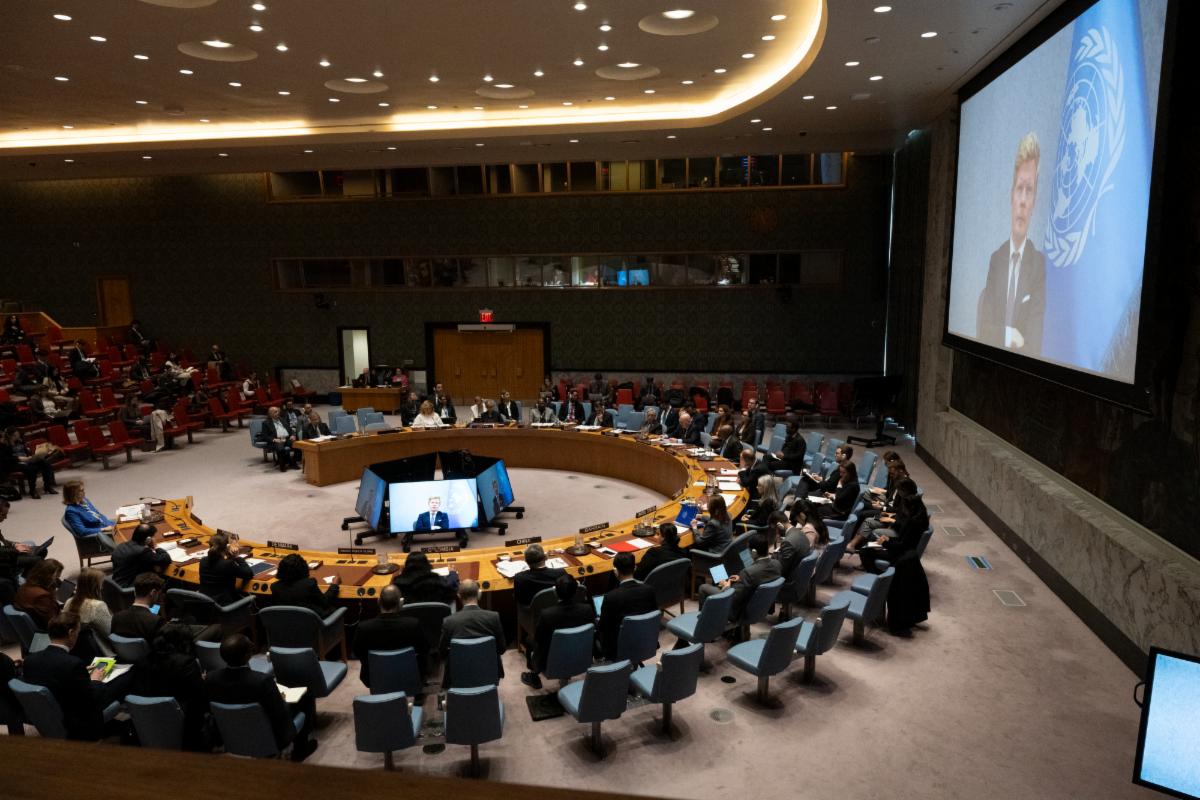
    On 12 February, the Special Envoy of the Secretary-General (SESG) for Yemen, Hans Grundberg, briefed the Security Council from Riyadh. He noted that the steps taken by the Government to improve living conditions and support stabilization in government areas can help create a conducive environment for a wider political settlement to the conflict, while cautioning that gains will remain vulnerable to reversal without a wider negotiated political settlement to the conflict. He also took the opportunity to commend the appointment of three women ministers, after several years of women being absent from the cabinet. He emphasized that this should be reinforced through the full, equal and meaningful inclusion of women in decision-making at all levels of government, and in peace negotiation teams and advisory structures, underscoring that inclusive peace processes are more legitimate and that experience shows they deliver more sustainable outcomes.

    Read his full statement

    Security Council hears briefing on political transition and security developments in Syria

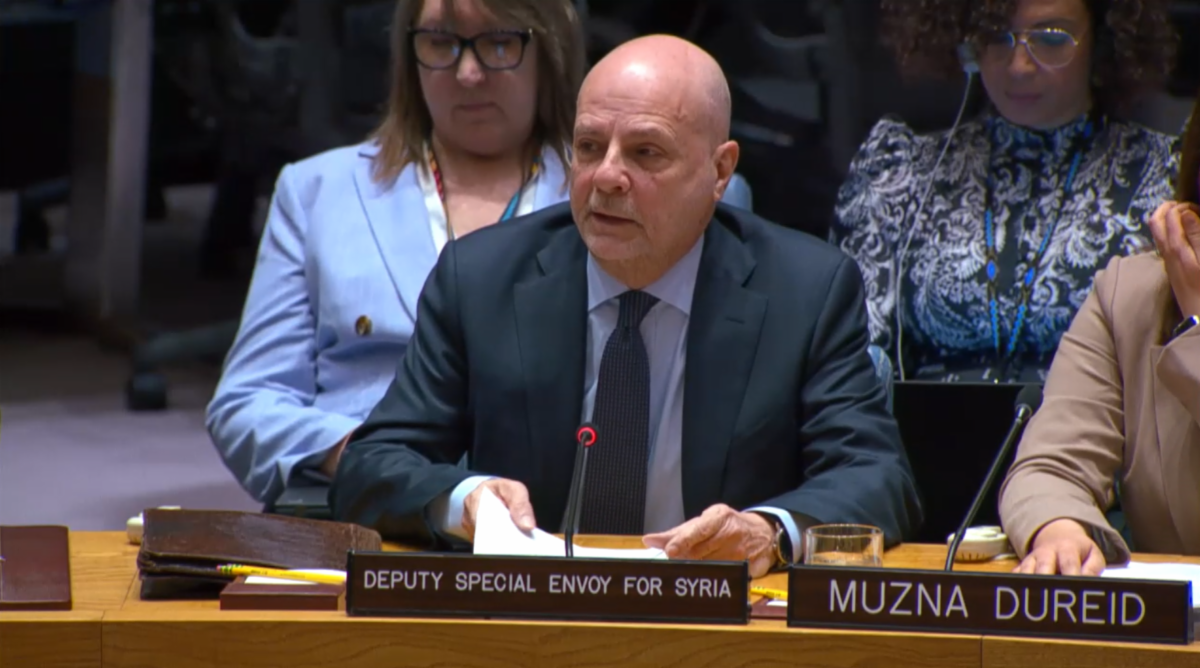
    Deputy Special Envoy of the Secretary-General Claudio Cordone briefed the Security Council on 13 February on recent political and security developments. He reported the 30 January agreement between the Syrian Government and the Syrian Democratic Forces providing for a ceasefire and phased military and administrative integration in Syria. He said that hostilities have ended and that implementation plan has been progressing, while also urging the parties to uphold their commitments, investigate allegations of abuses, and ensure accountability. He also addressed renewed tensions in Sweida, regional security concerns, and next steps in the political transition, including the formation of the People’s Assembly. He underscored the importance of meaningful representation of Syria’s regions and diverse groups. 

    Read his full statement

    Synthesis Review highlights transformative impact of the Peacebuilding Fund

    An assessment published this week reaffirms that the UN Peacebuilding Fund (PBF) delivers measurable and transformative results, even in highly complex and fragile settings. The 2023–2024 Synthesis Review of evaluations highlights the Fund’s ability to catalyze nationally led peacebuilding through strong partnerships with governments and civil society, while retaining the flexibility to adapt to rapidly evolving contexts. An increasing number of projects are applying adaptive management approaches, strengthening portfolio-level coherence, and enhancing engagement with local partners, maximizing the collective impact of the Fund’s investments. The review also underscores PBF’s commitment to accountability and continuous improvement, calling for greater selectivity in funding decisions and strengthened monitoring to better capture aggregate impact and support institutional learning. 

    Read the full report

    BINUH hosts discussions on governance and coordination in Haiti

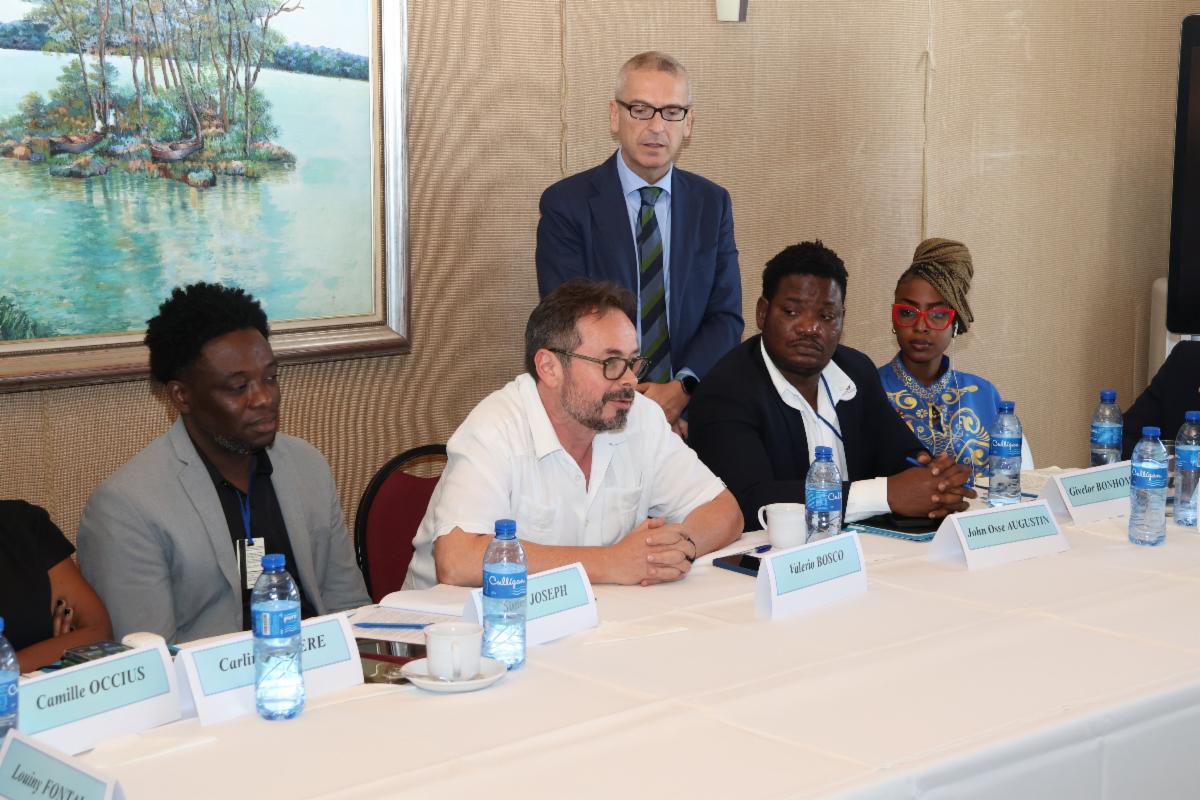
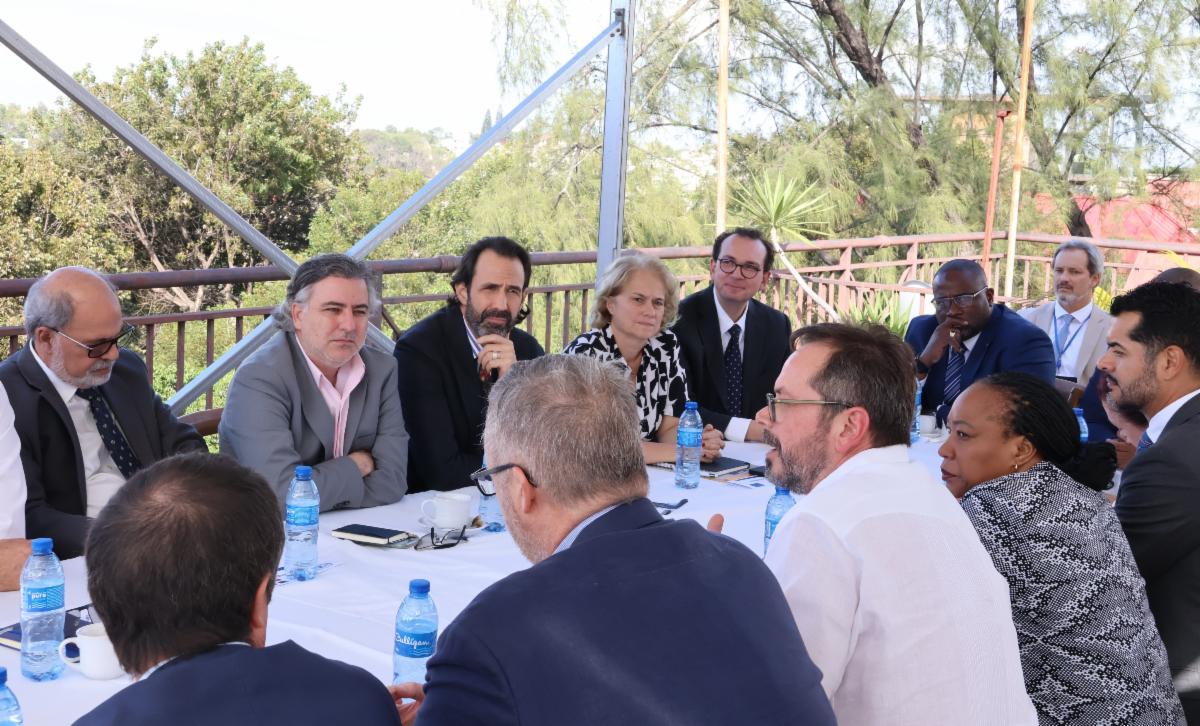
    This week, the UN Integrated Office in Haiti (BINUH) brought together representatives from academia, civil society, religious leaders and regional actors in Haiti to discuss its mandate and good offices in support of Haitian authorities. The meetings fostered a shared understanding of BINUH’s role and generated proposals to strengthen governance in the interest of a credible political process. The meetings were made possible in part by funding from DPPA’s Multi-Year Appeal.

    On 12 February, Special Representative of the Secretary-General (SRSG) Carlos Ruiz Massieu met with members of the international community to enhance coordination in support of Haiti’s immediate priorities, including restoration of public security, state authority and the organization of credible elections, in line with the BINUH mandate. They agreed to strengthen the coordination in order to meet the needs of the partners and the Haitian people. 

    Special Coordinator Hennis-Plasschaert discusses implementation of resolution 1701 and extension of State Authority with Lebanese officials

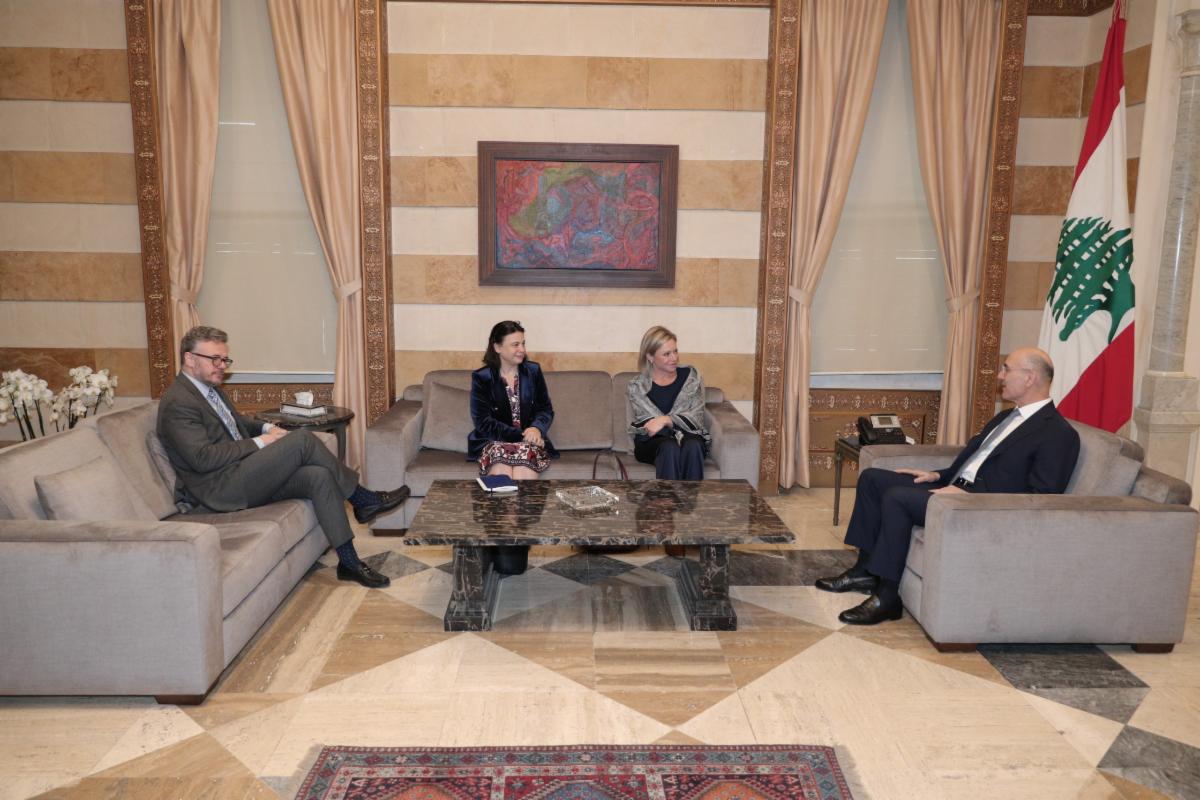
    Special Coordinator of the Secretary-General for Lebanon Jeanine Hennis-Plasschaert held a series of meetings with Lebanese officials this week on the implementation of relevant UN resolutions and the extension of state authority in Lebanon. With Prime Minister Nawaf Salam, the Special Coordinator discussed the implementation of Security Council resolution 1701 (2006) as well as ongoing and planned efforts to support the Lebanese Armed Forces and Internal Security Forces. Ms. Hennis-Plasschaert also met with Foreign Minister Youssef Raggi for an exchange on recent developments in Lebanon and the wider region. Commending the efforts of the Lebanese army to advance the extension of state authority, the Special Coordinator held talks with Lebanese Armed Forces Commander Gen. Rodolph Haykal on the implementation of the cessation of hostilities arrangement, resolution 1701 and international support for the LAF.

    UNRCCA advances regional cooperation on implementation of Security Council sanctions regimes

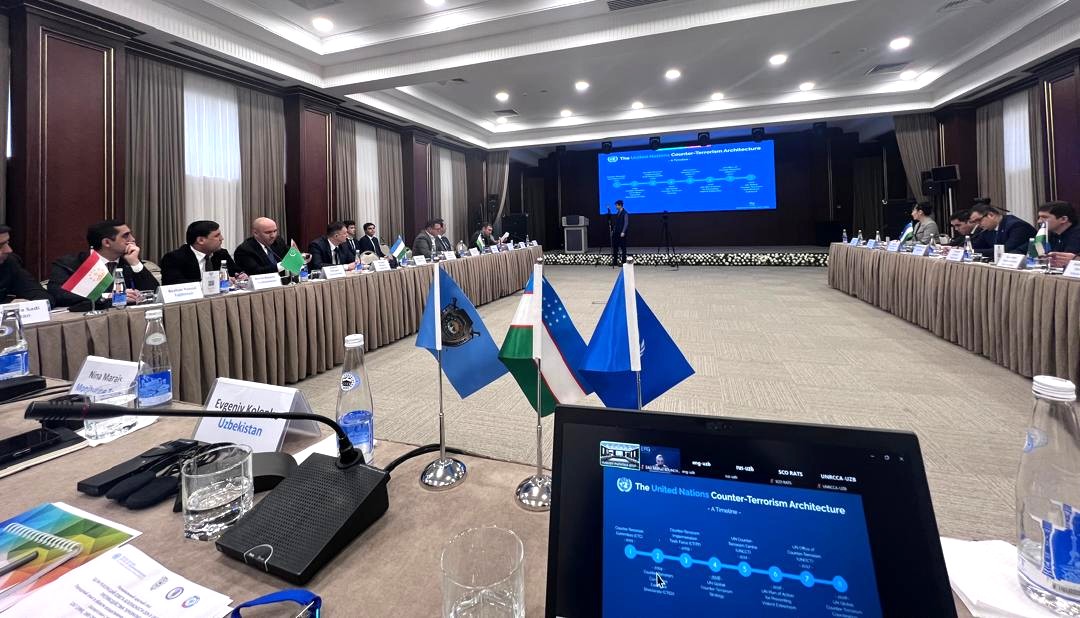
    On 9 February, the UN Regional Centre for Preventive Diplomacy for Central Asia (UNRCCA), in partnership with the UN Office of Counter-Terrorism (UNOCT) and the Analytical Support and Sanctions Monitoring Team, and with the support of the Government of Uzbekistan, co-organized a regional roundtable on implementing sanctions regimes under relevant UN Security Council resolutions. Held in Tashkent, the roundtable brought together representatives from all Central Asian states to exchange good practices on asset freezes, travel bans and arms embargoes, and to discuss challenges related to designation, implementation and delisting processes, including institutional coordination, information sharing and respect for human rights.

    Read more

    UNTMIS supports rights-based budget analysis training for Somali students

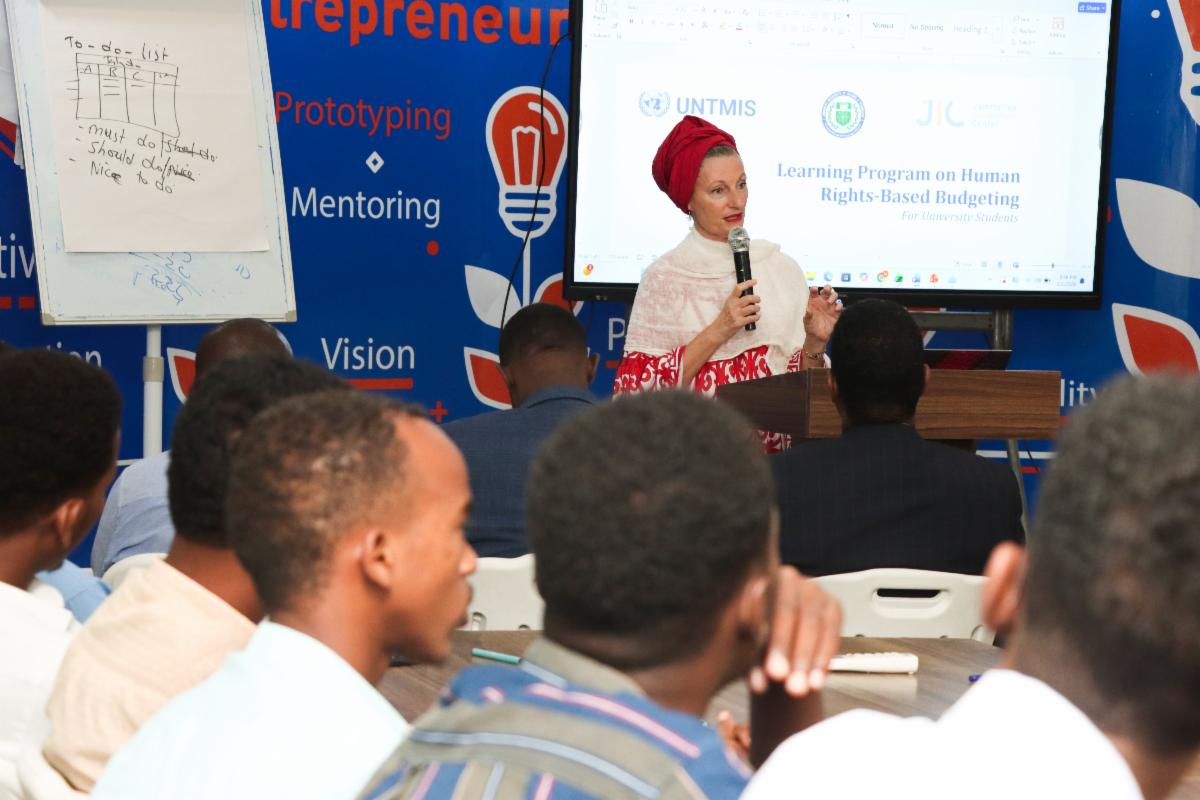
    In Mogadishu this week, human rights experts from the UN Transitional Mission in Somalia (UNTMIS), in collaboration with Jamhuriya University of Science and Technology, conducted a four-day learning program on human rights and budget analysis. The training aims to equip Somali university students, particularly from economics departments, with the skills to analyze public budgets through a human rights lens. By strengthening capacity for rights-informed economic governance, the initiative empowers future professionals to translate data into evidence-based advocacy and support more inclusive, accountable budget processes.

    Youth leadership initiative advances peacebuilding in Cesar, Colombia

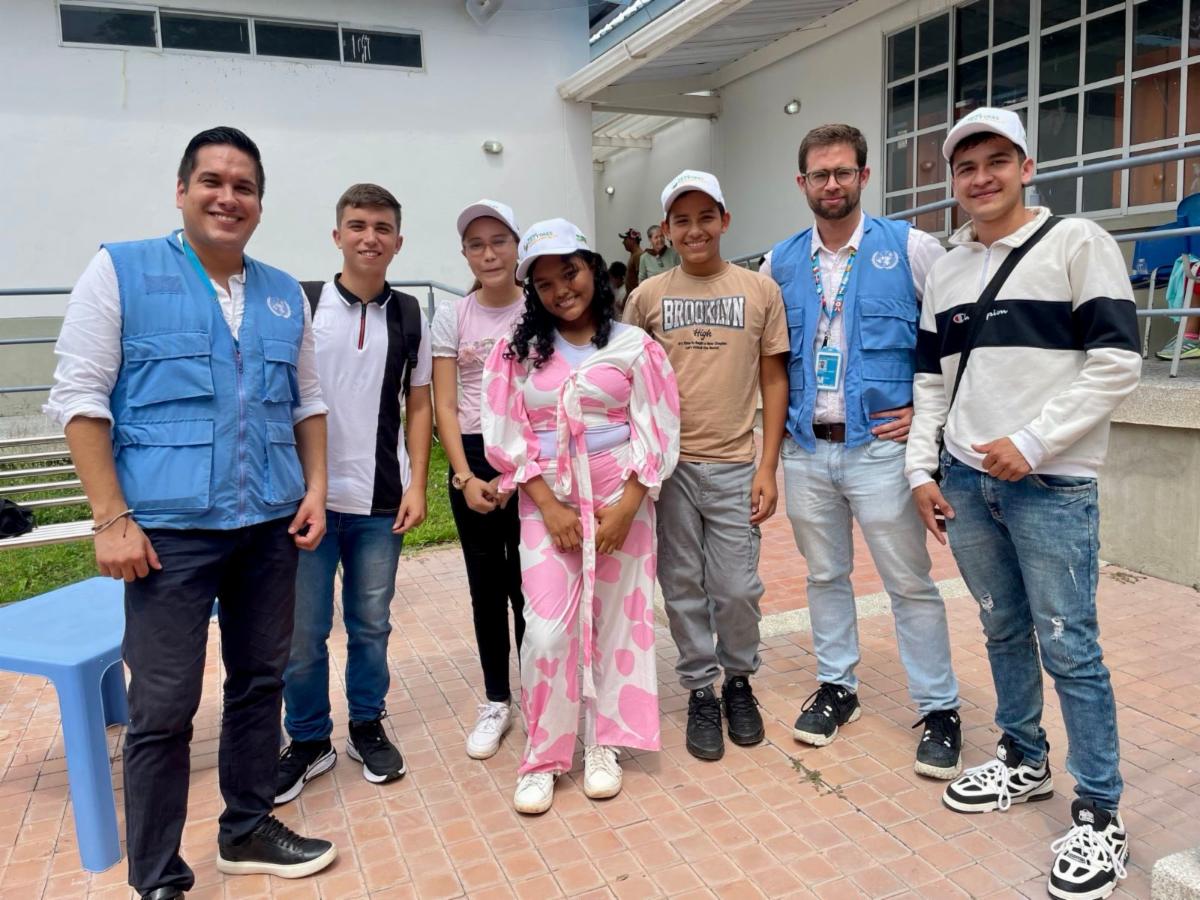
    On 9 February, in Manaure, Cesar, the UN Verification Mission in Colombia (UNVMC) joined the Movimiento Juvenil por la Paz and the Municipal Youth Platform to launch the “Tejiendo Liderazgo” school, an initiative that will support 35 young people, including sons and daughters of former combatants. The programme creates a space for youth engagement as a pillar of long-term peacebuilding. Through dialogue on memory, photography and peace, participants reflected on their role in shaping more inclusive narratives for their communities.

    Red Hand Day marked in Meta with call to prevent child recruitment

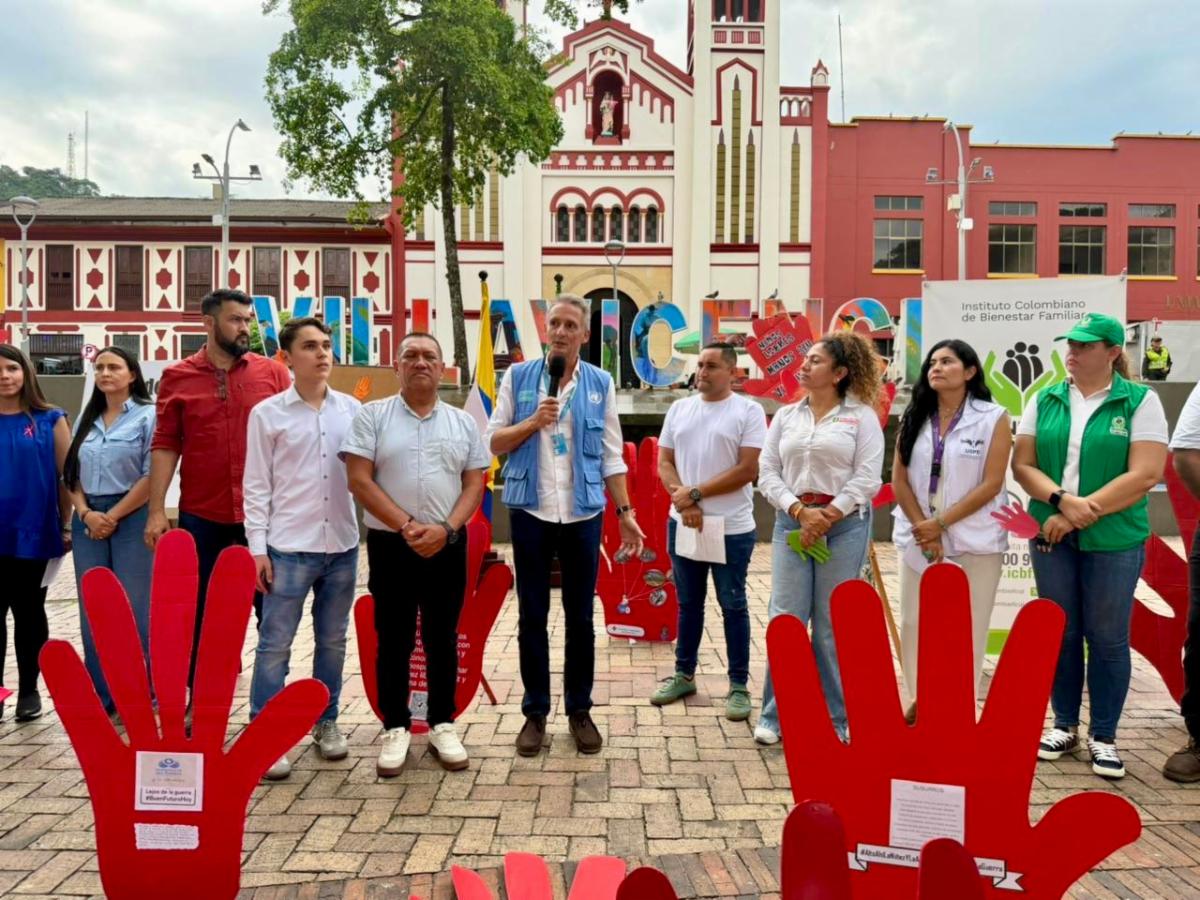
    In Meta, a department significantly affected by the recruitment of children and adolescents in Colombia, the UNVMC commemorated Red Hand Day with a renewed call to prevent this grave violation. The UNVMC underscored the responsibility of the State to intensify prevention efforts and reinforce protective environments. It also highlighted the importance of building the capacities of teachers, families, ethnic communities, youth leaders, faith-based actors and civil society to ensure that children and young people have access to genuine opportunities and a future free from violence.

    Children and youth raise their voices for peace in Colombia

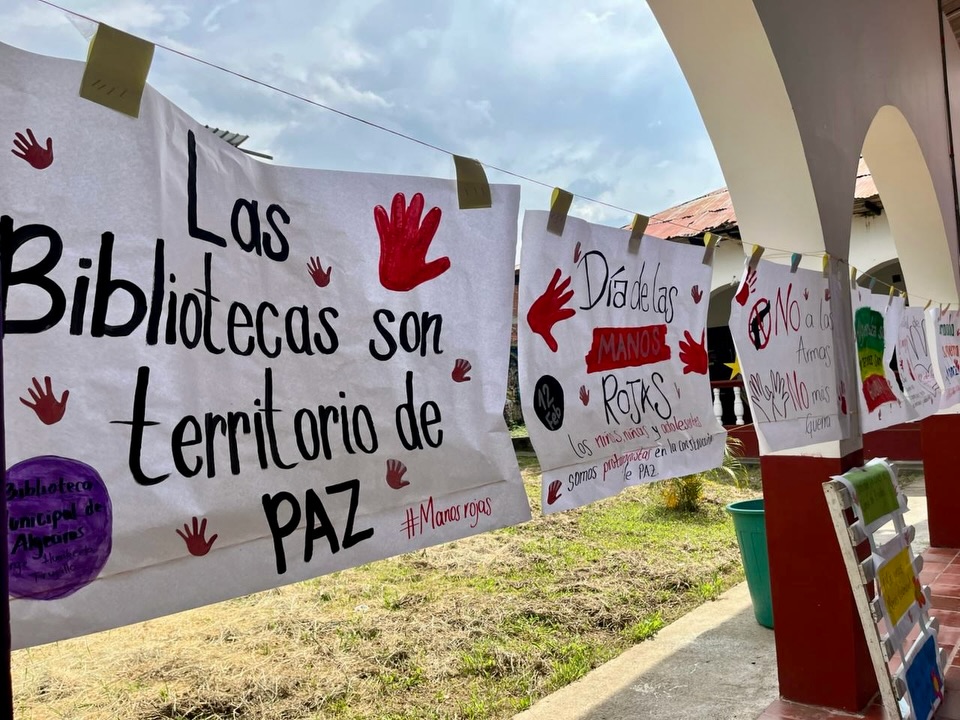
    On 12 February, in Algeciras, Huila, southcentral Colombia, children, adolescents, and local youth theatre groups presented performances promoting peace and raising awareness about forced recruitment and violence. Held within the framework of the Red Hand Day, the initiative, supported by the Mayor’s Office, UNIPEP Police and the UNVMC, provided a creative space for young people to advocate for a future free from violence. 

    Germany contributes to DPPA’s Multi-Year Appeal

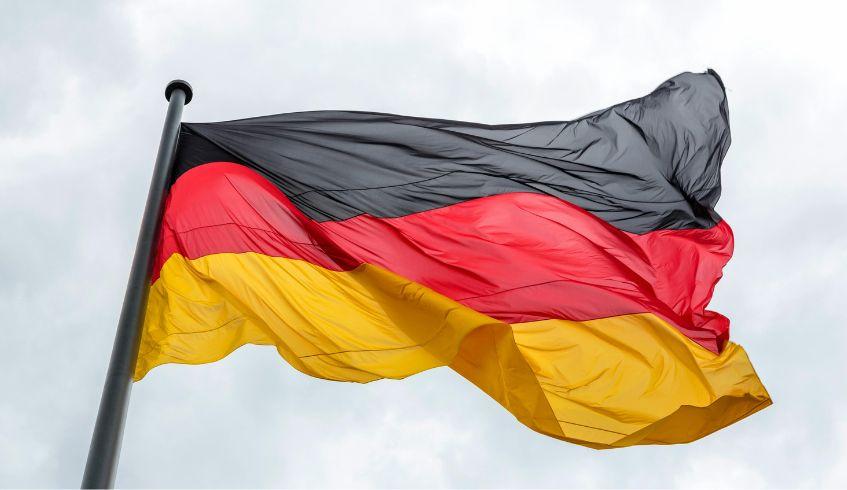
    This week, DPPA thanks the Government of Germany for its contribution of $1,759,200 to the Department’s Multi-Year Appeal (MYA). The MYA is DPPA’s voluntary funding mechanism, enabling flexible, rapid support for preventive diplomacy, mediation and other core priorities. 

    Read more

    Next Week

    The Security Council will hear a briefing on the work of the UN Support Mission in Libya (UNSMIL) on Wednesday, 18 February. Also on Wednesday, the Council will discuss the situation in the Middle East, including the Palestinian question, hearing a briefing from USG DiCarlo. The USG will also brief the Council on Thursday, 19 February, on the situation in Sudan under resolution 2715.

  • 13 فبراير 2026

    Syria’s fragile political transition has gained fresh momentum with a landmark agreement between Damascus and Kurdish authorities in the northeast, but renewed violence in the south, Israeli incursions and deep humanitarian needs underscore how precarious the path to stability remains, senior UN officials told the Security Council on Friday.

  • 13 فبراير 2026

    A sharp increase in drone attacks across the Kordofan region in the centre of Sudan is endangering civilians and damaging critical infrastructure.   

  • 12 فبراير 2026

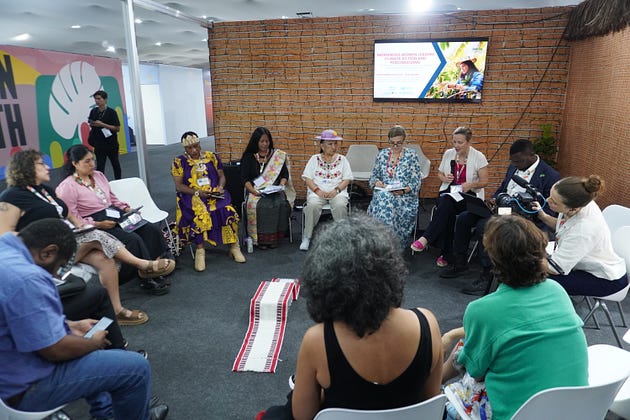
    Tarcila Zea Rivera, an Indigenous woman from Peru and director of Chirapaq, speaks at a COP30 side event focused on Indigenous women’s leadership in climate action and peacebuilding. UN Women/Rodrigo Herrera

    Indigenous Peoples — around 476 million across 90 countries — are among the planet’s fiercest biodiversity guardians. And many live on the frontlines of conflict: 80 percent of armed conflicts globally are unfolding in biodiversity-rich hotspots. Indigenous women in particular bear the brunt of these overlapping crises, even as they lead the way in advancing climate and peace initiatives.

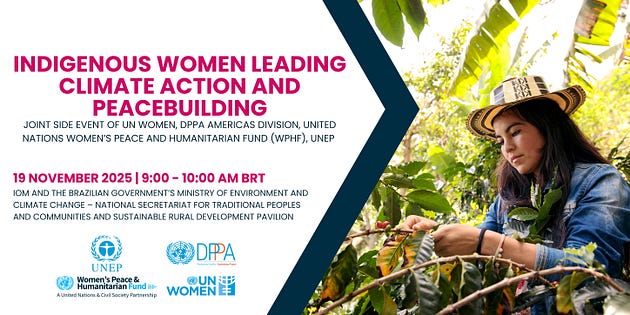
    Against this backdrop, DPPAUN Women, the United Nations Women’s Peace and Humanitarian Fund (WPHF) and the United Nations Environment Programme (UNEP) — supported by the Global Alliance of Indigenous Peoples, Gender Justice and Peace — brought together Indigenous women leaders on 19 November 2025, at the COP30 joint Pavilion of IOM and the Brazilian Ministry of Environment and Climate Change. The session spotlighted the powerful nexus between Indigenous women’s leadership, climate action and peace, aligning with COP30 Goals 6 and 19 and SDGs 5, 13 and 16.


    Event flyer for the COP30 side event “Indigenous Women Leading Climate Action and Peacebuilding,” co-hosted by UN Women, DPPA, UNEP and the Women’s Peace and Humanitarian Fund.

    Binalakshmi Nepram, Indigenous peacebuilder from Manipur, India, and moderator of the event, opened the discussion with a clear message: Indigenous women remain excluded from global climate and peace decision-making, even though they are essential to solutions. She highlighted the role of the Global Network of Indigenous Peacebuilders in amplifying their voices.

    Speakers from four continents shared powerful testimonies.


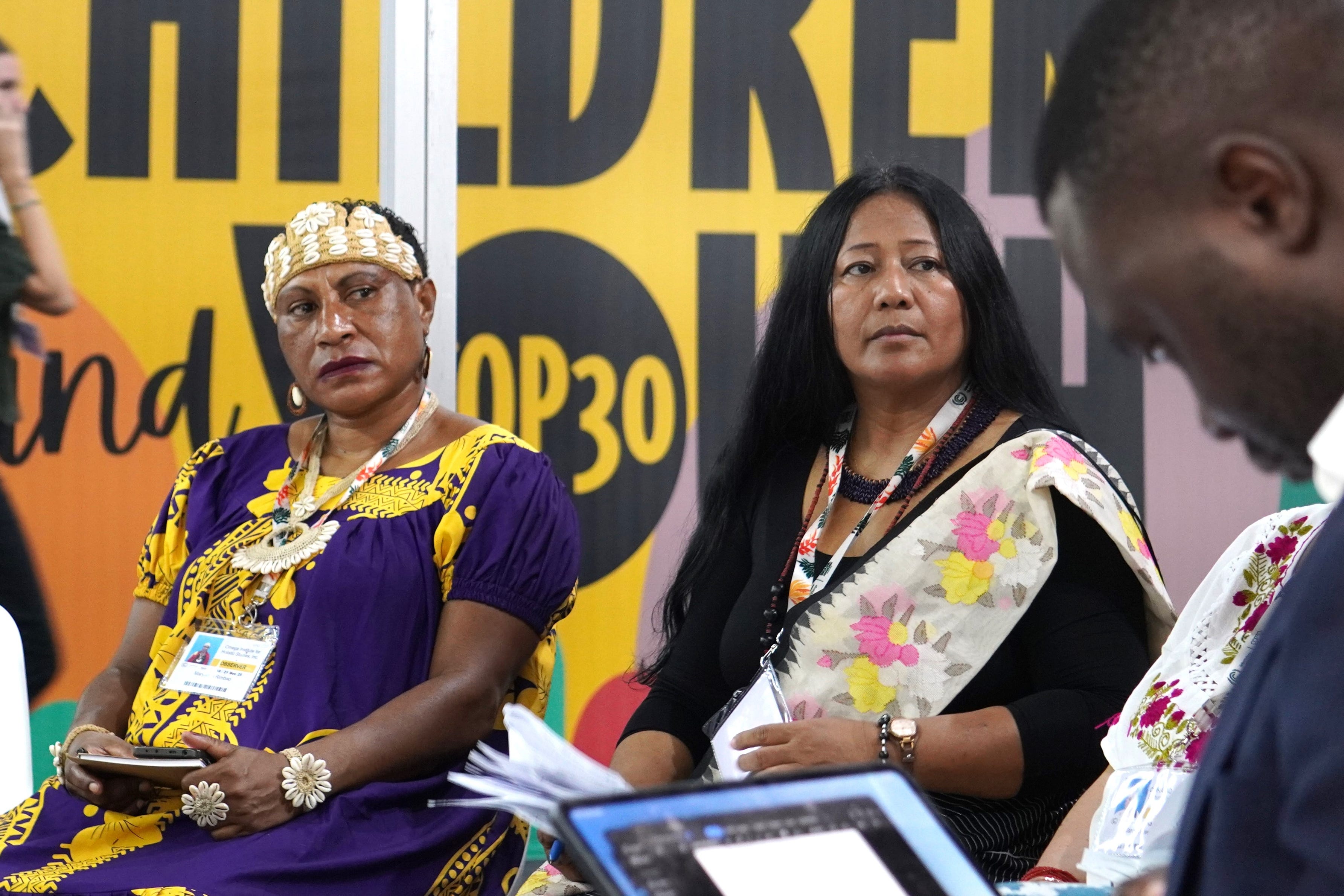
    From top left: Maryanne Rimbao, founder and director of Humanity and Nature Indigenous Women’s Association from Papua New Guinea; Binalakshmi Nepram, Indigenous peacebuilder from Manipur, India, and modorator of the discussion; Tarcila Zea Rivera, an Indigenous woman from Peru and director of Chirapaq. UN Women/Rodrigo Herrera

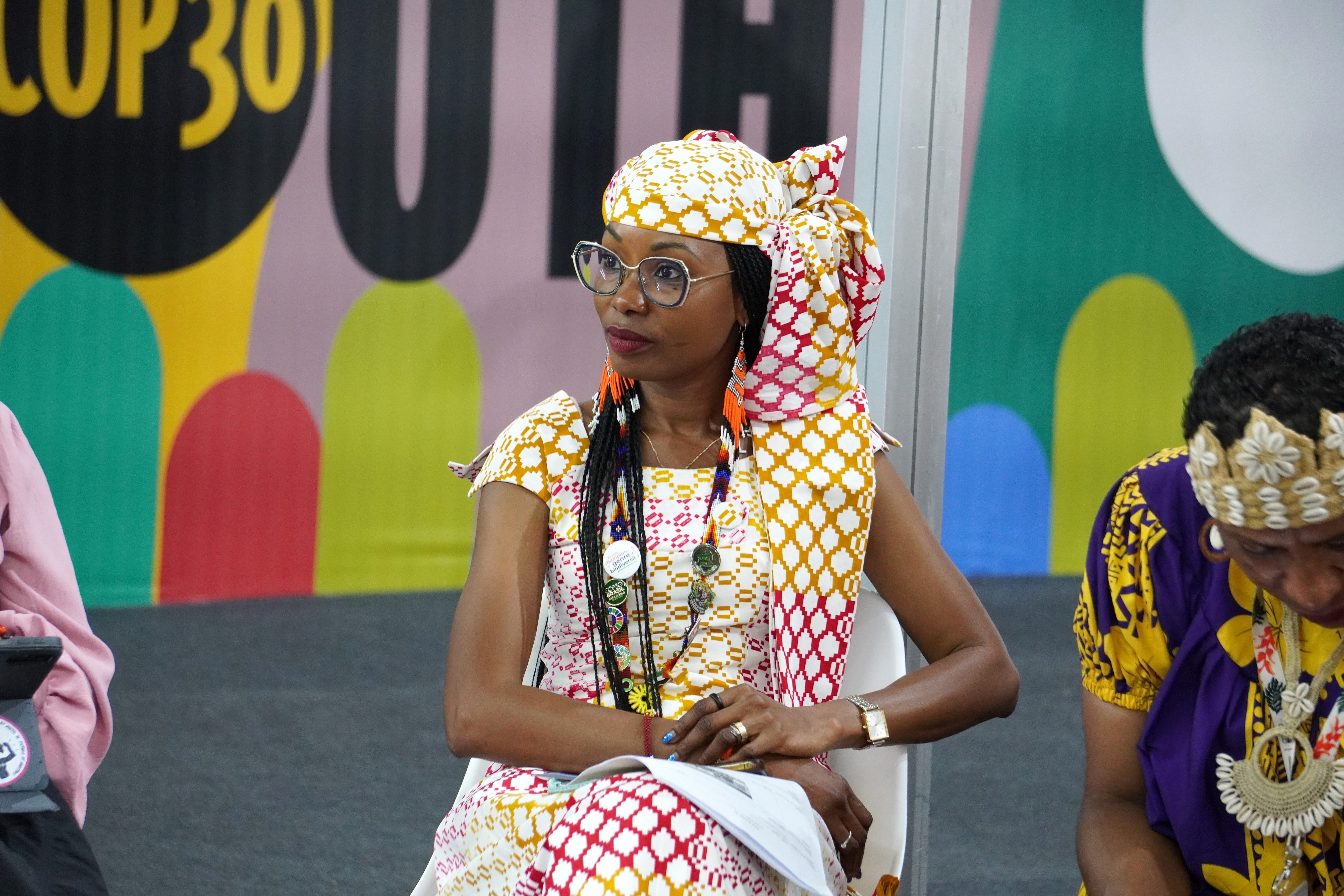
    From top: Nohora Alejandra Quiguantar, Indigenous youth leader and environmental human rights defender from Colombia; Hindou Oumarou Ibrahim, Member of the UN Permanent Forum on Indigenous issues and founder of the Association for Indigenous Women and Peoples of Chad. UN Women/Rodrigo Herrera

    Maryanne Rimbao, founder and director of Humanity and Nature Indigenous Women’s Association of Papua New Guinea (PNG), described how her country is experiencing rising sea levels, landslides and climate-induced displacement. She highlighted how Indigenous women mediate conflicts and protect communities despite cultural stigma and ongoing risks.

    Tarcila Zea Rivera, an Indigenous woman from Peru and director of the Center for Indigenous Cultures of Peru, CHIRAPAQ, explained how extreme heat and other climate impacts threaten food security in forest and Andean communities, stressing that peace requires understanding ecosystems, embracing intercultural knowledge and respecting Indigenous knowledge.

    Nohora Alejandra Quiguantar, Indigenous youth leader and environmental human rights defender from Colombia, illustrated how Indigenous women are leading land recovery, forest restoration and community revitalization in areas affected by conflict and climate change. She added, though, that programs focusing on climate and women, peace and security remain insufficient.

    Hindou Oumarou Ibrahim, Member of the UN Permanent Forum on Indigenous issues and founder of the Association for Indigenous Women and Peoples of Chad, described how droughts, floods and desertification in the Sahel drive conflict and insecurity, with Indigenous women disproportionately affected and lacking access to resources.


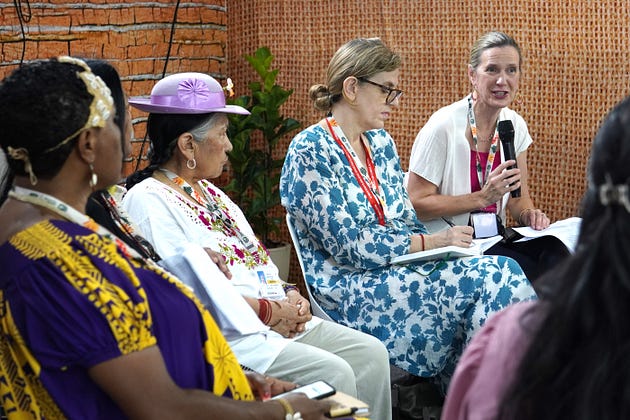
    Sarah Hendriks, Director of the Policy, Programme and Intergovernmental Division at UN Women, speaks at a COP30 side event. 19 November 2025. UN Women/Rodrigo Herrera

    Across all interventions, a common theme emerged: only a fraction of bilateral aid in conflict settings targets gender equality, and funding for initiatives that link climate action with Women, Peace and Security is exceedingly rare. This gap severely limits the scale and impact of Indigenous women’s grassroots initiatives.

    From the UN System, Sarah Hendriks, Director of the Policy, Programme and Intergovernmental Division at UN Women, emphasized that while Indigenous women are leading innovative environmental protection and conflict-prevention efforts, they face severe risks. She urged the global community to commit predictable, flexible, and accessible financing and protect Indigenous women’s rights and leadership. Tendai Kasinganeti, Climate, Peace and Security Advisor with the UN Office to the African Union (UNOAU), underscored ongoing UN efforts to integrate climate related risks into peace and prevention work, with a focus on conflict-sensitive, inclusive approaches that empower Indigenous women.


    Participants at a COP30 side event focused on Indigenous women’s leadership in climate action and peacebuilding. 19 November 2025. UN Women/Rodrigo Herrera

    Meanwhile, Ambassador Mateja Vodeb Ghosh, Head of Sector for Global Challenges at the Ministry of Foreign and European Affairs of Slovenia, highlighted how her country linked women, peace and security with climate issues during its Security Council term (2024–2025) and the vital leadership of Indigenous women in these interconnected areas.

    The session concluded with a united call: to recognize and support Indigenous women’s leadership in climate action, peacebuilding and environmental protection by reflecting their knowledge in global frameworks; to ensure their meaningful participation in climate and peace decision-making; to strengthen Indigenous-led platforms such as the 2026 Second Global Summit on Indigenous Peacebuilding; and to increase funding for gender-responsive, Indigenous-led climate and peace initiatives.

  • 12 فبراير 2026

    After three decades of its mandate to protect children caught up in war, the UN’s top advocate on the issue is determined to remind the world that prevention and protection go hand in hand.

  • 12 فبراير 2026

    Amid reported heavy Russian strikes across Ukraine on Thursday, UN human rights chief Volker Türk has condemned the “continual bombardment” the country’s people are facing.

  • 12 فبراير 2026

    The UN Special Envoy for Yemen on Thursday welcomed recent steps to bolster stability and improve living conditions, but told the Security Council that only a renewed political process can end the country’s long-running conflict. 

  • 11 فبراير 2026

    Broadcaster Rami Al-Sharafi works on a laptop inside the damaged Zaman FM radio station building in Gaza, marking what may seem an unlikely return to the airwaves amid the rubble of the deadly two-year Israel-Hamas war.

  • 11 فبراير 2026

    A UN humanitarian convoy reached frontline communities in Ukraine’s Dnipro region on Wednesday, delivering critical medical and hygiene supplies as fighting continues to take a heavy toll on civilians and infrastructure across the country.

  • 11 فبراير 2026

    The UN Secretary-General has expressed his sorrow over Tuesday’s deadly shooting at a school in rural Canada that left at least eight dead and 25 wounded.

  • 11 فبراير 2026

    Escalating aerial attacks in Sudan are killing children, damaging schools and striking United Nations facilities, placing civilians and humanitarian workers at growing risk, the UN warned on Wednesday. 

  • 10 فبراير 2026

    Fresh airstrikes and shelling across the Gaza Strip over the past 24 hours have put civilians at renewed risk and compounded months of hardship, the UN said on Tuesday, warning that humanitarian needs continue to outpace access and capacity.

  • 10 فبراير 2026

    Relentless violence, famine and disease are fuelling a rising death toll among children in Sudan, while attacks on healthcare and a lack of aid access hamper efforts to help them, UN aid agencies warned on Tuesday.

  • 10 فبراير 2026

    UN human rights chief Volker Türk appealed on Tuesday to all parties involved in renewed heavy fighting in Ethiopia’s ‘precarious’ Tigray region to step back, warning of the potential for a deepening crisis in the country’s war-weary north and beyond.

  • 10 فبراير 2026

    Escalating violence, political stalemate and humanitarian constraints are pushing South Sudan’s civilians to the brink once again, while funding cuts weaken the UN mission tasked with protecting them.

  • 9 فبراير 2026

    DPPA is requesting $1.7 million in earmarked contributions for its work on Sudan to respond to escalating crisis demands, strengthen political analysis and reporting, and support sustained good offices and mediation efforts. A fully funded Multi-Year Appeal (MYA) will also enable follow-up to the Pact for the Future, which calls on the Secretary-General to actively leverage his good offices and ensure the United Nations is adequately equipped to lead and support mediation, good offices, and peacemaking in this rapidly evolving context.

  • 9 فبراير 2026

    DPPA is requesting $800,000 in earmarked contributions for its work on Ukraine to sustain political engagement, fact-finding, and analysis, and to support the United Nations’ good offices amid an evolving and highly complex conflict. A fully funded Multi-Year Appeal (MYA) will ensure the UN remains equipped to provide timely political support, informed reporting, and sustained engagement to advance prospects for peace in line with the UN Charter and relevant resolutions.

  • 9 فبراير 2026

    DPPA is requesting $3 million in earmarked contributions for our work on the Middle East to sustain mediation, political analysis, and strategic engagement amid multiple interlocking crises. A fully funded Multi-Year Appeal (MYA) will also enable follow-up to the Pact for the Future, which calls on the Secretary-General to actively leverage his good offices and ensure the United Nations is adequately equipped to lead and support mediation, good offices, and peacemaking in this rapidly evolving context.

  • 9 فبراير 2026

    UN Secretary-General António Guterres voiced grave concern on Monday over the reported decision by the Israeli security cabinet to authorize a series of administrative and enforcement measures in Areas A and B in the occupied West Bank. 

  • 9 فبراير 2026

    As the brutal Sudan war shows no signs of ending, UN human rights chief Volker Türk on Monday called on the international community to intervene immediately to stop more mass killings and other flagrant war crimes against civilians.

  • 9 فبراير 2026

    South Africa has moved to withdraw its peacekeepers deployed at the United Nations Organization Stabilization Mission in the Democratic Republic of the Congo (MONUSCO) after nearly three decades of service. 

  • 7 فبراير 2026

    The UN Secretary-General has strongly condemned the surge in violence across South Sudan, warning that civilians and aid workers are paying a devastating price as humanitarian operations are increasingly targeted.

  • 6 فبراير 2026
    A brief roundup of United Nations-related political and peacebuilding events and developments globally.

    UN Global Advocate for Peace Maryam Bukar Hassan serves as Olympic Flag Bearer

    On 6 February, Maryam Bukar Hassan, the first Global Advocate for Peace for the UN’s Peace and Security Pillar, participated in the opening ceremony of the Winter Olympics in Milan as an official Olympic Flag Bearer. She was selected by the International Olympic Committee (IOC) in recognition of her sustained commitment to gender equality, youth empowerment and inclusive peace. In his message to the opening ceremony, the Secretary-General hailed the Olympic and Paralympic Games as beacons of hope and a celebration of human potential, teamwork, fair play and mutual respect. He also called on all parties to conflict to honour the Olympic Truce

    UNRCCA advances preventive diplomacy through counter-terrorism early warning cooperation

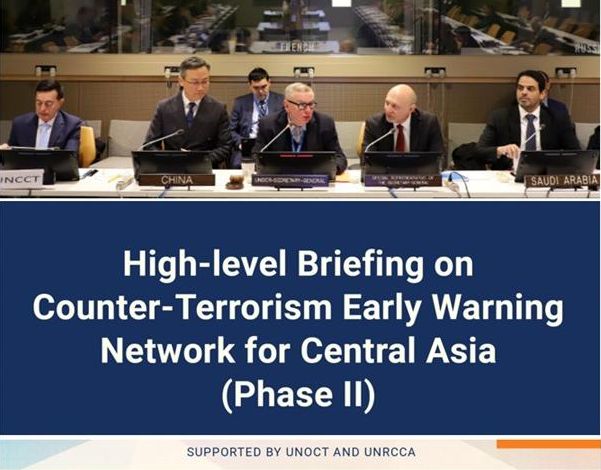
    On 30 January, the United Nations Regional Centre for Preventive Diplomacy for Central Asia (UNRCCA), in collaboration with the United Nations Office of Counter-Terrorism (UNOCT), convened a high-level briefing on the Counter-Terrorism Early Warning Network for Central Asia at UN Headquarters in New York. The briefing updated Member States on the scope, progress and strategic significance of the Network and facilitated discussions on political, technical and financial support for ongoing and future activities. In his opening remarks, Kaha Imnadze, Special Representative of the Secretary-General for Central Asia, highlighted the Network as a key initiative supporting implementation of the UN Global Counter-Terrorism Strategy in the region, aimed at strengthening regional cooperation, coordination and information-sharing to prevent violent extremism and counter terrorism.

    Read more

    Peacebuilding Fund supports DPPA priorities through initiatives in Libya and Somalia

    This week, the Peacebuilding Fund (PBF) has allocated $2 million for a new initiative in Benghazi and Derna to support locally led peacebuilding and recovery efforts, with a focus on expanding economic opportunities for youth. The initiative will strengthen the capacities of newly established local peacebuilding committees and support entrepreneurship training and business development, complementing the mandate of the United Nations Support Mission in Libya (UNSMIL) by addressing socioeconomic drivers of instability and linking local recovery with prevention and stabilization.

    The PBF also allocated $5 million for an initiative in Somalia to strengthen interim justice, security and local governance in the districts of Bahdo and Masajid Ali Gudud. Implemented by UNDP and IOM, the initiative complements the work of the United Nations Transitional Mission in Somalia (UNTMIS) by supporting local authorities and communities to establish basic governance functions, improve community safety and expand inclusive dispute-resolution mechanisms, with particular attention to women, youth and marginalized groups.

    UN Special Coordinator visits UNDP-supported projects and discusses efforts to strengthen state institutions in Lebanon

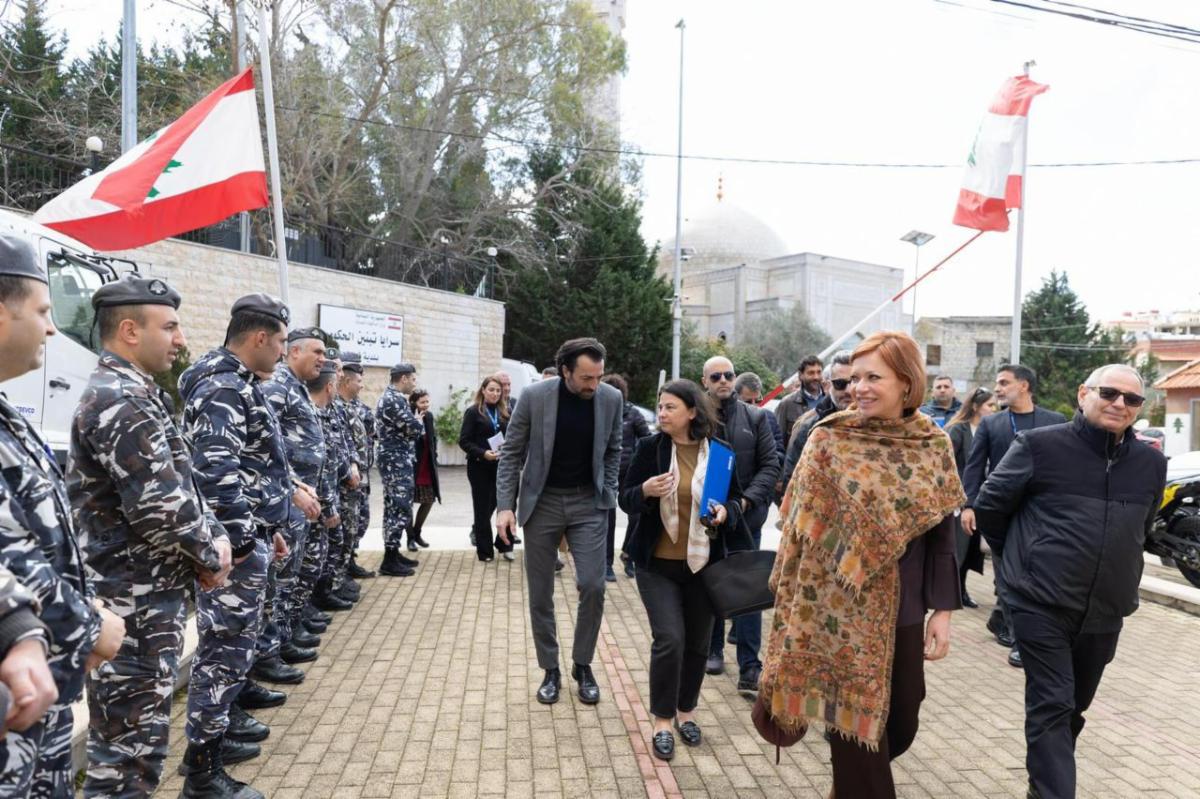
    On 4 February, Special Coordinator of the Secretary-General for Lebanon Jeanine Hennis-Plasschaert visited UNDP-supported projects, including those to rehabilitate facilities of the Internal Security Forces and bolster municipal policing in several areas of southern Lebanon. In addition to restoring critical infrastructure, the projects support the rebuilding of trust between the state and local communities in areas affected by hostilities. The Special Coordinator underlined that extension of state authority was a work in progress and must be prioritized domestically and by international partners.  

    This week, the Special Coordinator discussed with Lebanese officials different opportunities for UN support and ongoing efforts to reinforce Lebanese state institutions. On 2 February, she met with Minister of Interior Ahmad Al-Hajjar. They discussed the preparations for the parliamentary elections scheduled to take place in May and the possibility of UN technical support for the electoral process. On 5 February, the Special Coordinator met with the head of General Security, Hassan Choucair, for a discussion on evolving regional and domestic security dynamics and opportunities for cooperation between the Directorate of General Security and the United Nations.

    Youth, coffee, and reintegration driving Colombia’s peace in the territories 

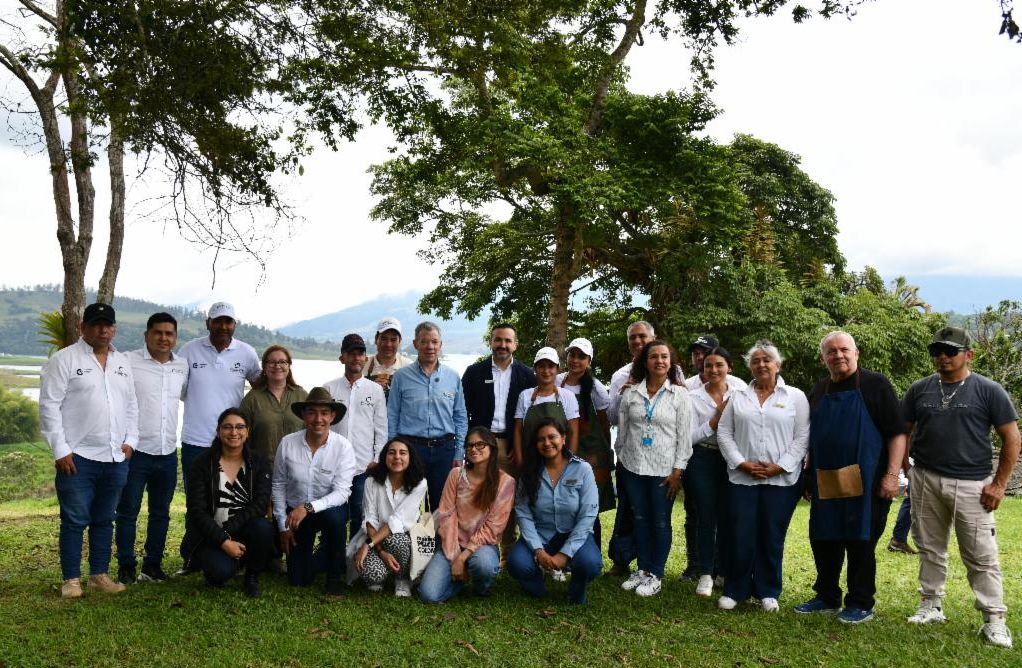
    On 4 February, the United Nations Verification Mission in Colombia (UNVMC) accompanied a delegation led by former Colombian President and Nobel Peace Prize laureate Juan Manuel Santos to Yotoco, in Valle del Cauca, where they met with organizations of former combatants, including representatives of the National Coffee Federation, to reflect on progress and remaining challenges nearly ten years after the signing of the Final Peace Agreement. The visit included the farm Trópicos, Frutos de la Esperanza, where young people—sons and daughters of former combatants and conflict victims—shared how coffee training is shaping new life projects. Their testimonies underscored reconciliation, opportunity, and the importance of international support and UN accompaniment in sustaining peace. 

    Former combatants showcase peace products at Expomalocas

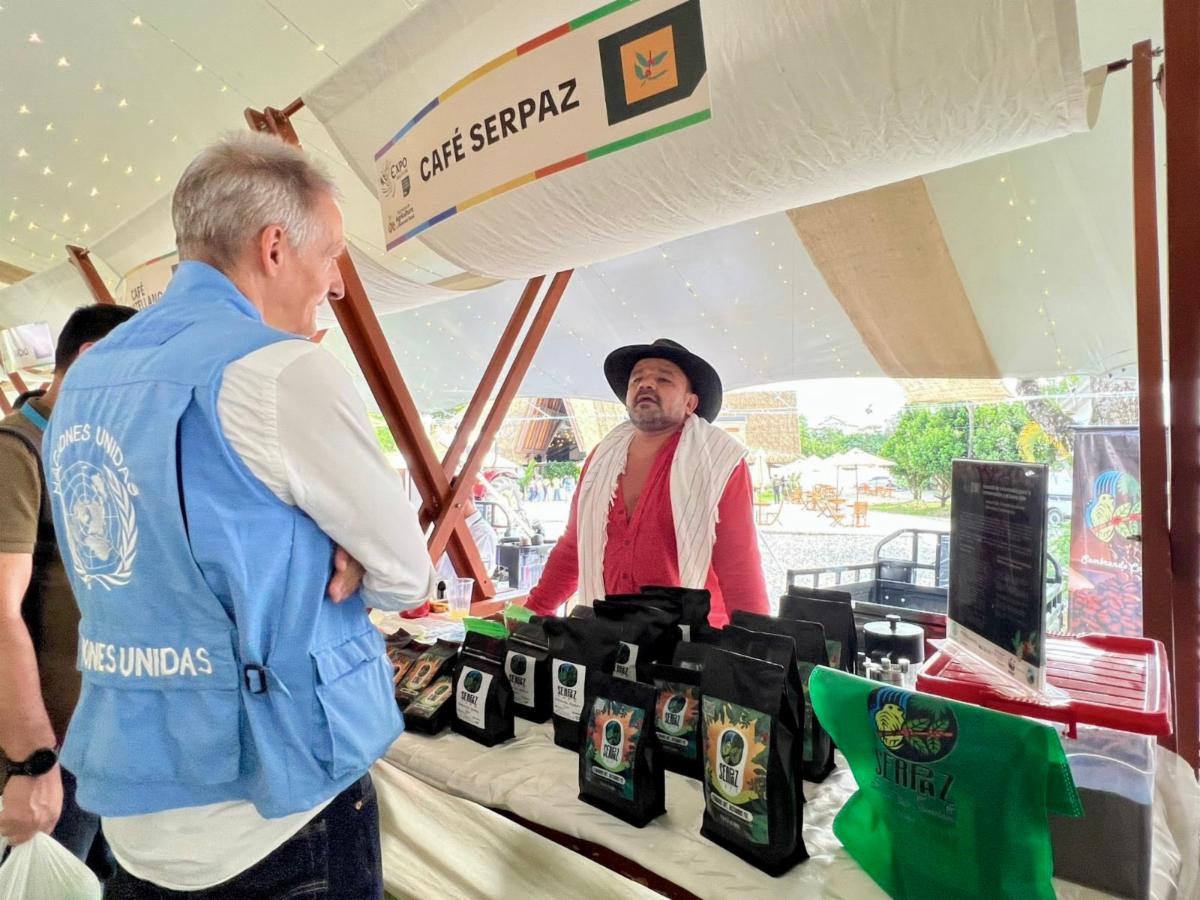
    On 1 February, in Villavicencio, former signatories of the Peace Agreement and rural producers from Meta participated in Expomalocas 2026, a key regional fair that showcased how productive initiatives translate peace commitments into tangible opportunities. Through coffee and other local products, participants highlighted the role of rural economies in building stability and trust in the territories. The UNVMC accompanied initiatives such as Café Maru, Del Común and SerPaz—brands born from the Peace Agreement that today strengthen local economies and expand access to national and international markets. Their presence underscored how reintegration and rural development continue to generate sustainable pathways for peace.

    Good Offices Mission in Cyprus hosts Ukrainian youth delegation

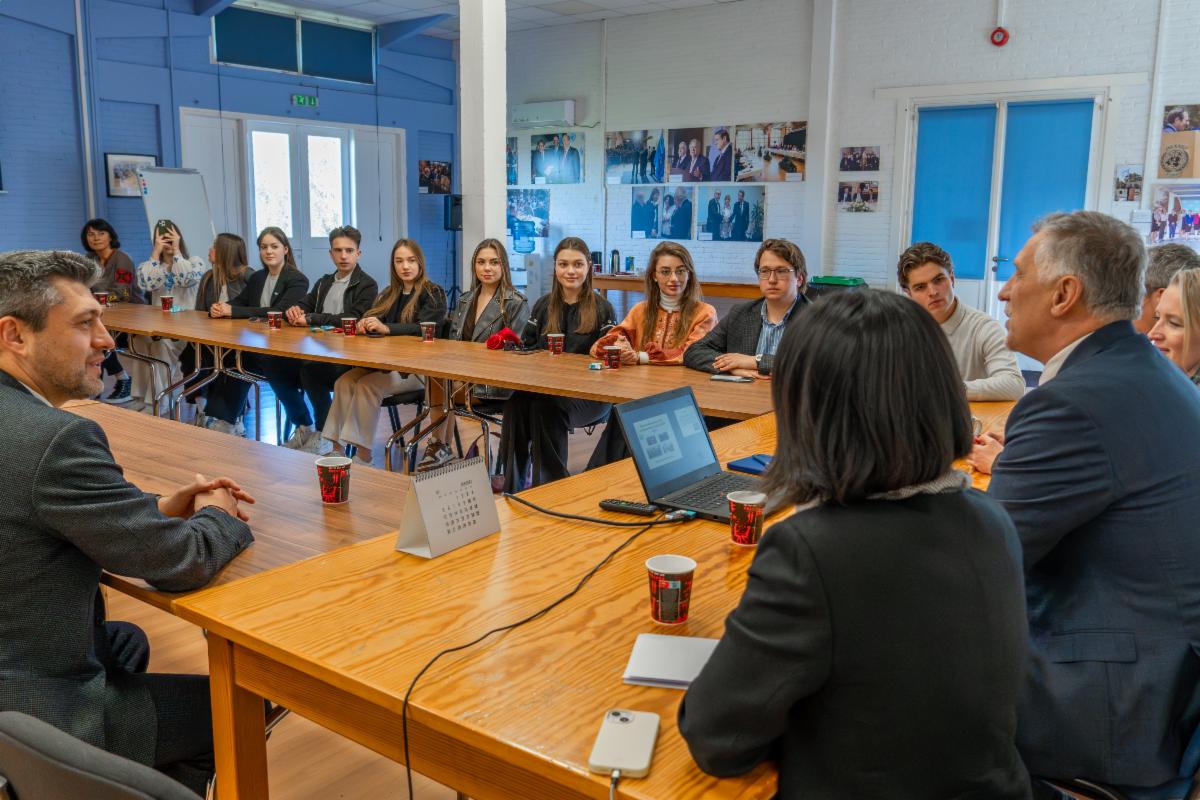
    On 3 February, the United Nations Good Offices Mission in Cyprus and the United Nations Peacekeeping Force in Cyprus (UNFICYP) jointly hosted a briefing in Nicosia for a delegation of Ukrainian youth, highlighting the role of young leaders in peace and security. UN officials provided an overview of the Cyprus peace process and the Missions’ work in supporting dialogue, stability and confidence-building across the island. The exchange emphasized the importance of youth and civil society participation in peacemaking and peacebuilding, underscoring how inclusive engagement strengthens political processes and contributes to sustainable peace—core priorities of DPPA’s good offices and mediation efforts.

    January edition of Security Council in Review is out

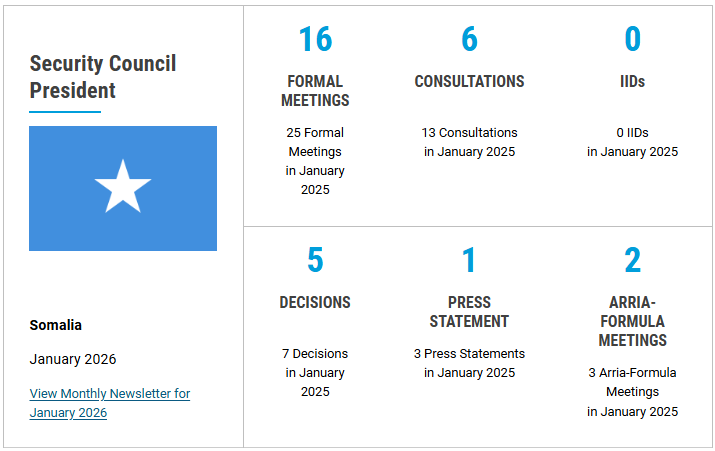
    DPPA’s Security Council Affairs Division has published the January 2026 edition of its monthly newsletter, Security Council in Review, highlighting the Council’s work during the Somalia presidency. The latest issue provides an overview of key meetings, outcomes and thematic priorities addressed by the Council throughout the month. 

    Read more

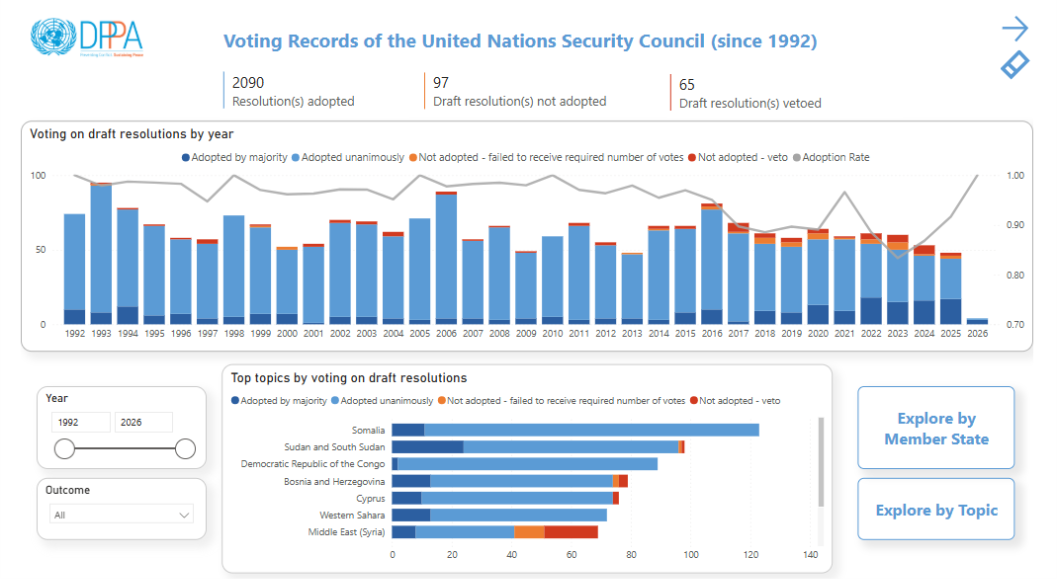
    Voting Records Dashboard launched to enhance transparency of Security Council decisions

    The Security Council Affairs Division has also just launched a Voting Records Dashboard, an interactive platform that provides public access to Council draft resolutions, agenda topics and voting records dating back to 1992. The dashboard allows users to explore how Council members have voted across thematic and country-specific issues over time, supporting research, analysis and institutional memory. The initiative strengthens transparency and understanding of Council practice and contributes to DPPA’s broader mandate to support informed engagement with the Council’s work.

    Read more

    DPPA’s Multi-Year Appeal to respond to rising demand for UN electoral assistance

    This week, DPPA launched its Multi-Year Appeal on electoral assistance. The Appeal is seeking $1.5 million in 2026 to sustain core electoral support capacities, enabling the United Nations to respond to growing demand while promoting prevention, peaceful political processes and nationally led priorities.

    Read more

    Next Week

    The Security Council will hold a briefing on Yemen on 12 February to discuss the latest political, security and humanitarian developments. On 13 February, the Council will convene to consider the situation in Syria.

  • 6 فبراير 2026

    Attacks on Ukraine’s power system highlight how the ongoing war threatens the safety of the country’s nuclear facilities, the head of the International Atomic Energy Agency (IAEA) warned on Friday. 

  • 6 فبراير 2026

    UN Secretary-General António Guterres on Friday welcomed the resumption of talks between Iran and the United States. 

  • 6 فبراير 2026

    The UN reiterated concerns on Friday over reports that Israeli forces sprayed a highly toxic herbicide over areas north of the Blue Line separating Lebanon from Israel on 1 February.

  • 6 فبراير 2026

    The global system governing nuclear disarmament is facing its most serious crisis in decades, driven by growing mistrust among major powers and the steady erosion of arms control agreements, a senior disarmament expert has warned.

  • 6 فبراير 2026

    The UN Secretary-General on Friday strongly condemned an attack on worshippers at a mosque in Pakistan’s capital, Islamabad, after an explosion during prayers reportedly killed dozens and injured many more.

  • 5 فبراير 2026

    The United Nations has welcomed signs of progress in talks aimed at reducing violence in eastern Democratic Republic of the Congo.

  • 5 فبراير 2026

    The UN on Wednesday warned of potential humanitarian “collapse” in Cuba, following Washington’s attempt to block oil supplies from reaching the island.

  • 5 فبراير 2026

    The head of UN Peacekeeping on Thursday called for greater support for international police officers deployed to field missions at a time when financial resources are dwindling and multilateralism is waning. 

  • 5 فبراير 2026

    Acute malnutrition among children has reached catastrophic levels in parts of Sudan’s North Darfur and Greater Kordofan, UN-backed analysts warned on Thursday, as conflict, mass displacement and denials of aid push the country deeper into a famine-risk emergency.

  • 5 فبراير 2026

    The UN Secretary-General on Thursday strongly condemned a deadly terrorist attack in Kwara state in western Nigeria, where more than 100 people were reportedly killed.

  • 4 فبراير 2026

    As World Cancer Day is marked on Wednesday, thousands of patients in Gaza face worsening illness, untreated pain and closed crossings – despite the limited opening of the vital route through Rafah this week.

  • 4 فبراير 2026

    UN Secretary-General António Guterres has warned that the expiration of the New START treaty represents a “grave moment” for international peace and security, as binding limits on US and Russian strategic nuclear weapons fall away amid heightened global tensions.

  • 4 فبراير 2026

    The terrorist group ISIL continues to adapt and demonstrate resilience despite sustained counter-terrorism efforts, a senior UN official told the Security Council on Wednesday. 

  • 4 فبراير 2026

    South Sudan is buckling under a fresh wave of violence and displacement, after attacks and looting halted a major UN food convoy in restive Upper Nile state and clashes continue to spread in neighbouring Jonglei.

  • 3 فبراير 2026

    UN electoral assistance is adapting to a rapidly changing global context marked by shrinking civic space, digital transformation and persistent barriers to inclusive participation, particularly for women. Coordinated by DPPA through its Electoral Assistance Division, UN electoral support helps Member States deliver impartial, credible elections that promote peace and prevent conflict, supported in part through the Multi-Year Appeal.

  • 3 فبراير 2026

    More than 450,000 children in South Sudan are at risk of acute malnutrition as a surge in violence disrupts health and nutrition services, the UN children’s agency (UNICEF) warned on Tuesday.

  • 3 فبراير 2026

    The UN committee mandated to promote Palestinian rights opened its 2026 session on Tuesday with renewed calls for a two-State solution, amid a shaky ceasefire in Gaza and continued settler expansion in the West Bank.

  • 3 فبراير 2026

    The partial reopening of the Rafah crossing between Gaza and Egypt has allowed a small number of people to leave and return to the Strip – including critically ill patients – but the UN has warned that far more is needed for the crossing to function as a genuine humanitarian lifeline.